
China has emerged as the global powerhouse for industrial SMT PCB Assembly, producing millions of circuit boards annually for applications ranging from Automotive Electronics to aerospace systems. But volume alone doesn't define excellence in this demanding sector. The real challenge lies in consistently delivering PCB durability and reliability that meets the exacting standards of industrial applications.
When your product depends on electronic control systems operating in extreme temperatures, high-vibration environments, or mission-critical applications, the difference between a reliable PCB assembly and a premature failure can mean the difference between success and catastrophe. This article explores the critical demands shaping industrial Smt Assembly in China and how manufacturers address these challenges.
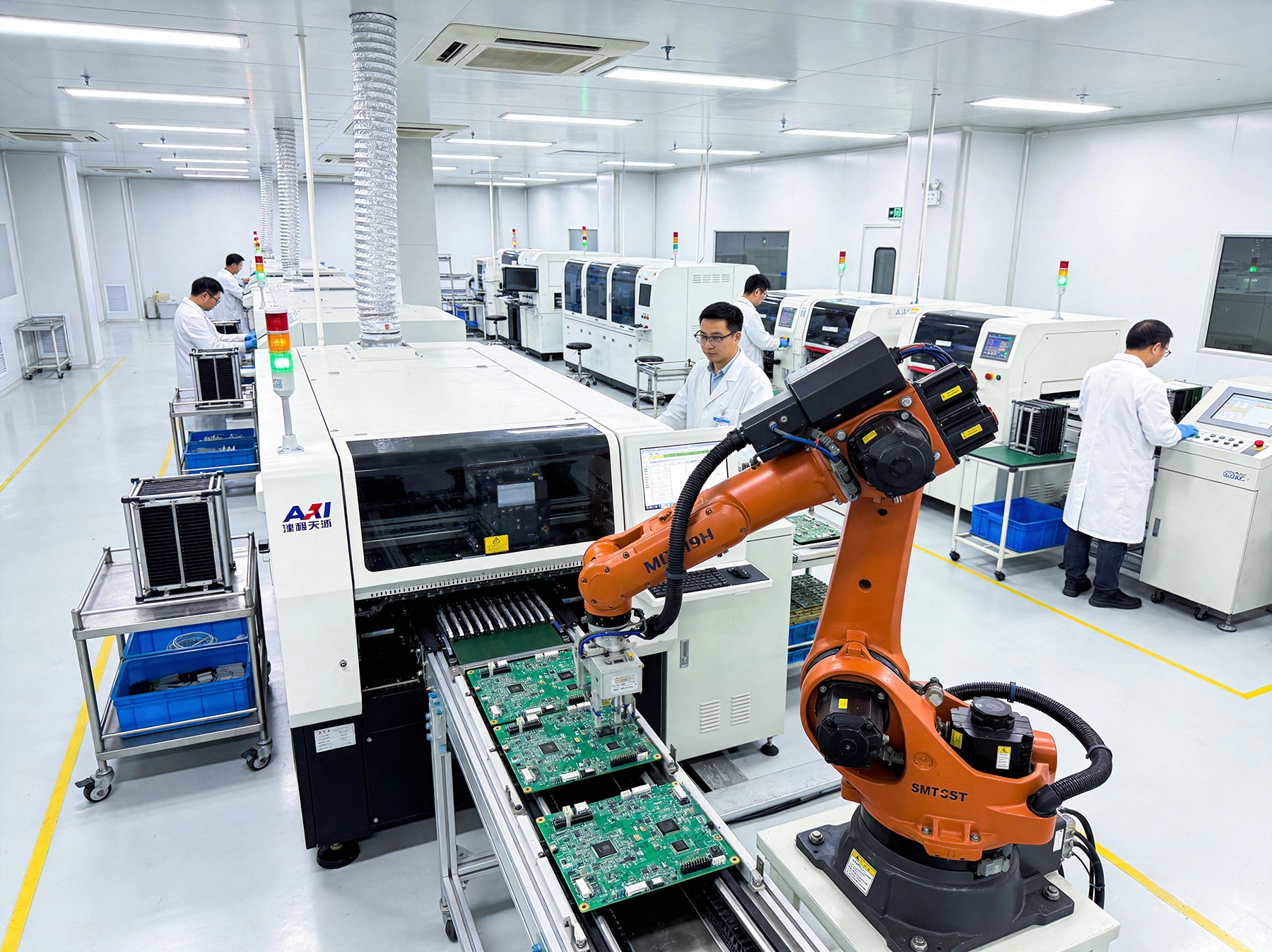
Surface Mount Technology (SMT) has revolutionized Electronics Manufacturing, enabling higher component densities, faster production speeds, and improved electrical performance. In industrial applications, however, these benefits must be balanced against stringent requirements for durability and long-term reliability.
Industrial Pcb assemblies face unique challenges that Consumer Electronics simply don't encounter:
The foundation of durable Pcb Reliability begins with material selection. China's leading Smt Assembly facilities utilize high-Tg (glass transition temperature) substrates, typically ranging from 150°C to 170°C, to ensure dimensional stability during thermal cycling.
Common substrate materials include:
Material selection isn't merely about choosing the right substrate. It encompasses copper weight, dielectric thickness, surface finish, and solder mask compatibility—all factors that influence the final assembly's durability profile.
China Pcb Manufacturing excellence in industrial applications requires rigorous quality management systems. Leading facilities maintain certifications including ISO 9001, Iatf 16949 for automotive applications, and AS9100 for aerospace implementations.
Before production begins, every component and substrate undergoes thorough verification:
Modern SMT lines incorporate multiple inspection stages:
For industrial applications, assemblies must pass demanding environmental tests:
Achieving optimal PCB durability requires collaborative design practices. China's experienced electronic manufacturing services (EMS) providers offer Design For Manufacturing (Dfm) reviews that identify potential reliability issues before production begins.
Heat is the primary enemy of electronic reliability. Effective Thermal Management strategies include:
Industrial assemblies demand robust solder joints that withstand thermal cycling and mechanical stress:
For harsh environment applications, additional protection may be necessary:
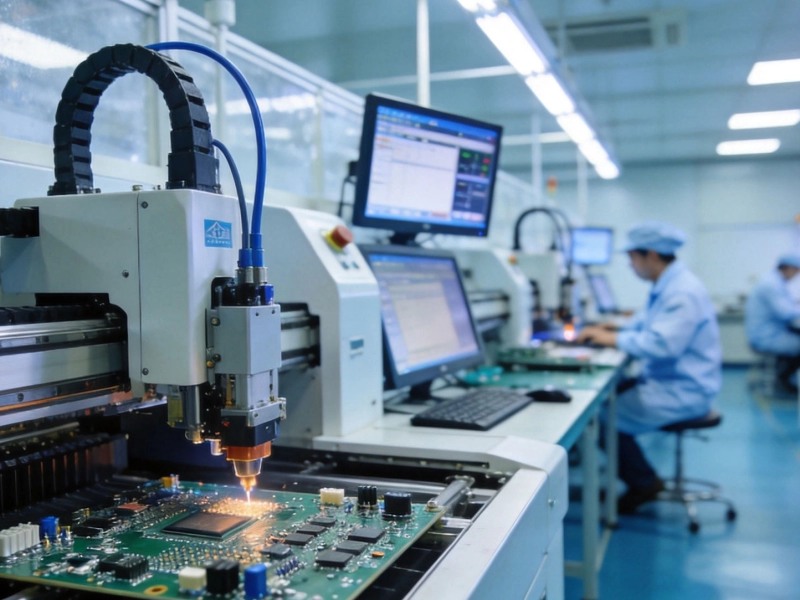
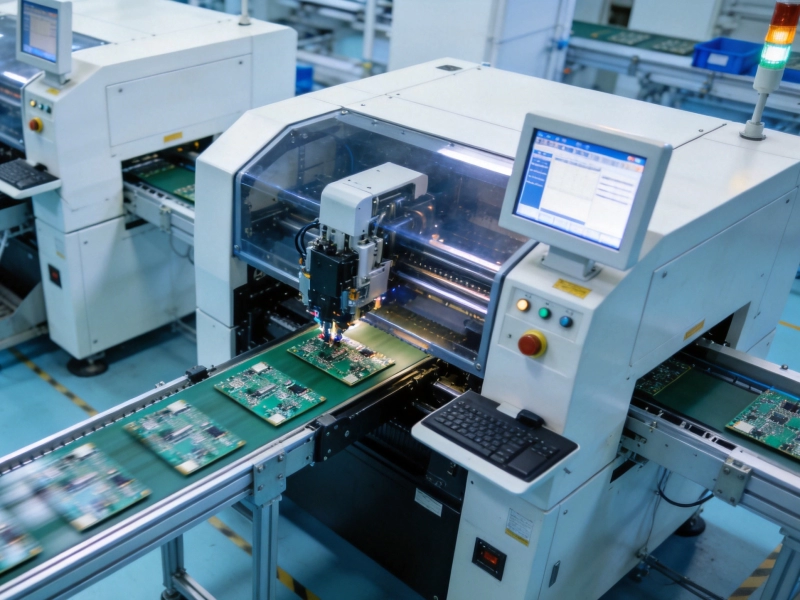
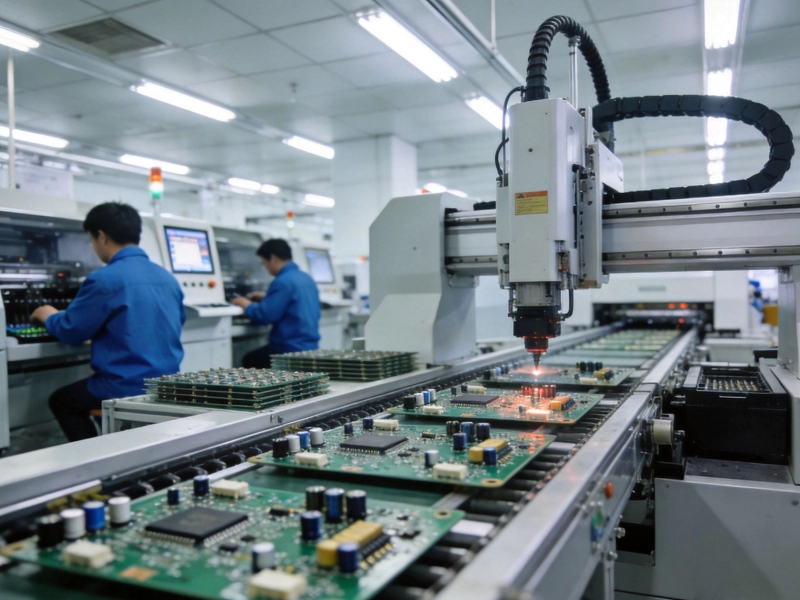
China's competitive advantage in Industrial Smt Assembly stems significantly from advanced automation capabilities. State-of-the-art facilities operate fully automated production lines with minimal human intervention.
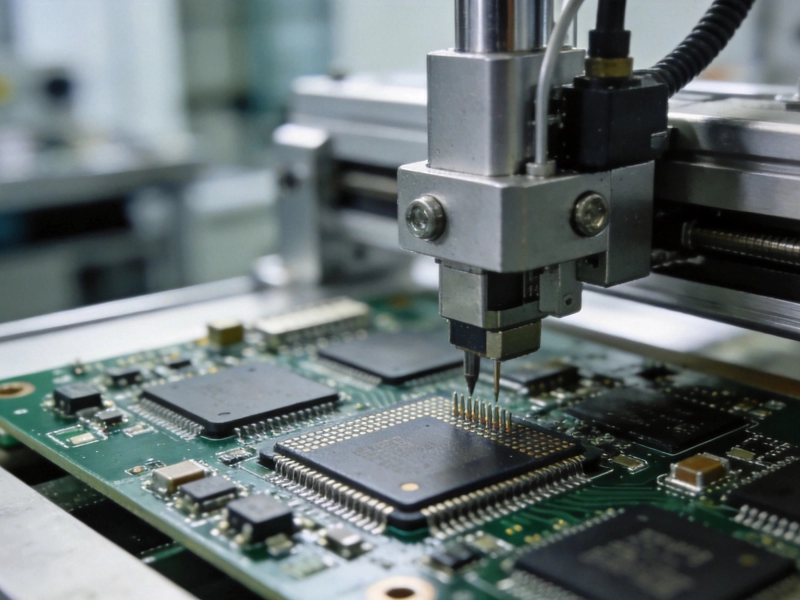
Modern pick-and-place machines achieve placement accuracies of ±0.03mm, ensuring precise component positioning essential for fine-pitch devices and dense PCB designs. High-speed placement heads can position 50,000+ components per hour while maintaining this precision.
Smart factories employ IoT-enabled monitoring systems tracking:
Reliable PCB assembly requires robust supply chain management. China's established Electronics Manufacturing ecosystem offers significant advantages in component sourcing and logistics.
Industrial applications benefit from component qualification programs that identify alternative sources for critical parts. This reduces supply chain vulnerability while maintaining quality standards.
Leading manufacturers implement complete genealogy tracking:
This traceability enables rapid root cause analysis and targeted recalls if quality issues emerge, essential for safety-critical industrial applications.
One of the persistent myths about China Pcb Manufacturing is that cost advantages come at the expense of quality. In reality, the relationship is more nuanced. China's manufacturing scale enables:
The key is selecting partners with demonstrated commitment to quality systems and Continuous Improvement. Price alone rarely indicates the right manufacturing partner for industrial applications.
Selecting a SMT assembly provider for industrial applications requires careful evaluation of multiple factors:
The industrial SMT PCB landscape continues evolving with emerging technologies:
The demands of industrial SMT PCB Assembly in China are substantial but achievable with the right manufacturing partner. Durability and reliability aren't accident—they're engineered into every aspect of the process, from material selection through final testing.
When evaluating China Pcb Manufacturing partners for industrial applications, look beyond surface pricing to examine quality systems, technical capabilities, and commitment to Continuous Improvement. The assemblies your products deserve require manufacturing partners who understand that in industrial applications, quality isn't optional—it's the only acceptable outcome.
Whether you're developing Automotive Electronics, industrial control systems, or aerospace instrumentation, China's advanced SMT assembly facilities can deliver the reliability your applications demand. The key lies in building collaborative partnerships that leverage manufacturing expertise while maintaining clear communication about application-specific requirements and quality expectations.
How to Get Quick-turn SMT PCB Assembly in Just 24 Hours from ChinaMay/29/2026
What to Prepare for a Smooth Quick-turn SMT Assembly Order in ChinaAugust/10/2026
Balancing Speed and Quality in Quick-turn SMT PCB Assembly China ServicesJuly/30/2026

Why Shenzhen is the Global Hub for Quick-turn SMT PCB AssemblySeptember/04/2026
The Benefits of Quick-turn SMT Assembly in China for R&D and PrototypingJuly/09/2026
Balancing Speed and Quality in Quick-turn SMT PCB Assembly China ServicesJuly/20/2026
How to Get Quick-turn SMT PCB Assembly in Just 24 Hours from ChinaJune/12/2026
Customizing SMT PCB Assembly China Applications for High-Density Interconnect (HDI) BoardsJune/22/2026