
Consumer electronics evolve faster than almost any other industry. The smartphone in your pocket bears little resemblance to its predecessor from five years ago, and the wearable device tracking your fitness would have seemed impossible a decade ago. Behind this relentless pace of innovation lies a manufacturing ecosystem that has matured alongside the products it enables. China Smt Pcb Assembly has transformed from a low-cost production option into a sophisticated partner driving the next generation of consumer electronics.

The transformation of China's Electronics Manufacturing sector over the past two decades has been remarkable. Early perceptions of Chinese assembly services focused on labor-intensive work with limited technical complexity. Today, the reality has shifted dramatically. Advanced facilities in Shenzhen, Suzhou, and other manufacturing centers operate some of the most sophisticated SMT lines in the world.
This evolution reflects deliberate investment in equipment, training, and process capability. The capital expenditure required to establish a world-class SMT line runs into millions of dollars. Leading Chinese Contract Manufacturers have made these investments, bringing advanced capabilities online alongside their customers' product roadmaps.
Technology transfer has accelerated capability building. Many Chinese facilities now collaborate directly with component manufacturers, equipment suppliers, and design houses from Japan, Korea, Taiwan, and the United States. This collaboration brings cutting-edge techniques into domestic operations while adapting them for the scale and efficiency that Chinese manufacturing excels at delivering.
As consumer electronics shrink, the components mounted on their circuit boards shrink correspondingly. Smartwatches and wireless earbuds contain components that would have been impossible to assemble reliably just a few years ago. Fine-pitch components with 0.3mm and 0.4mm lead spacing challenge the limits of SMT technology.
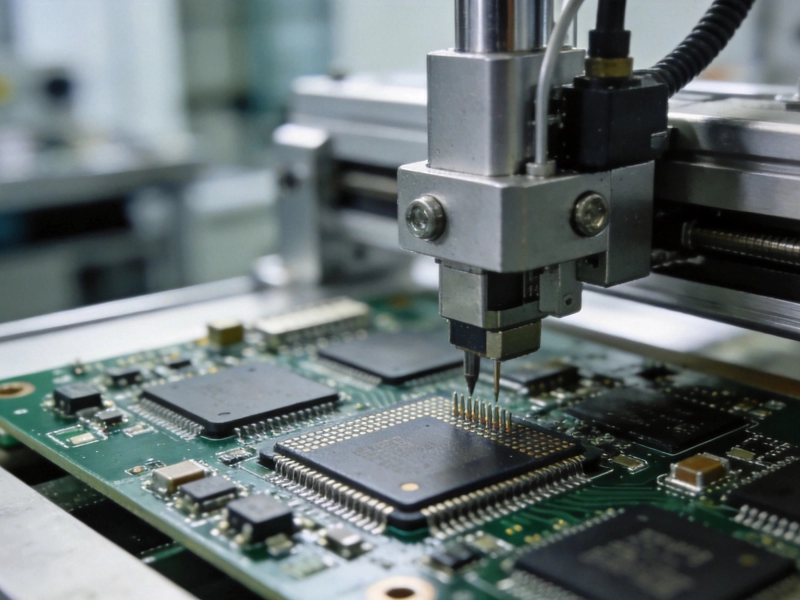
Modern Chinese SMT facilities have developed the capability to place components at these fine pitches with high accuracy and consistency. Advanced vision systems, precise placement heads, and optimized paste printing create reliable solder joints on increasingly tiny pads. This capability enables the Miniaturization that defines premium consumer products.
01005 and 0201 passive components now represent standard capability rather than exceptional achievement. These tiny resistors and capacitors occupy a fraction of the board space that their predecessors required, freeing valuable real estate for feature expansion or battery capacity increases.
Consumer electronics increasingly rely on advanced semiconductor packaging that pushes assembly boundaries. Ball grid arrays with thousands of solder balls beneath the package, quad-flat no-lead packages with thermal pads, and package-on-package stacking all require specialized assembly expertise.
Chinese manufacturers have developed robust processes for these advanced packages. Bga Rework capability, X-ray Inspection for hidden joints, and precise temperature profiling for packages with sensitive thermal requirements distinguish capable partners from basic assemblers.
System-in-package technology integrates multiple chips and passive components into single modules. These SiP assemblies appear in wireless headphones, fitness trackers, and medical monitors. Assembling these modules requires coordination between chip providers, substrate manufacturers, and assembly partners that Chinese ecosystem has cultivated.
Consumer products increasingly incorporate flexible circuit technology to save space and enable novel form factors. Smartwatches use flexible circuits to connect displays and batteries through tight packaging constraints. Folding smartphones require flexible circuits that survive thousands of bend cycles.
Rigid-flex assemblies combine rigid PCB sections with flexible interconnection layers. Manufacturing these assemblies requires expertise in handling delicate flexible substrates, managing bond integrity across rigid-flex transitions, and ensuring long-term reliability under flexing conditions.
Chinese manufacturers have invested specifically in flexible circuit assembly capabilities. Specialized equipment for handling thin flex materials, precision bonding for anisotropic conductive films, and expertise in flex-specific design-for-manufacturing help consumer electronics companies implement these challenging technologies.
Consumer electronics markets reward speed. The product that reaches consumers first often captures lasting market share. Chinese Smt Assembly services have optimized their operations for rapid response, offering prototype turnaround times that Western manufacturers cannot match.
Many facilities offer 24-hour prototype service for standard boards. Design files submitted in the morning can result in assembled boards by the next day. This speed enables iterative development cycles where engineers refine designs based on prototype results without lengthy delays between iterations.
Quick-turn services extend to low-volume production runs for initial market introduction. Products can transition from prototype to limited release without requiring the full production tooling that high-volume manufacturing demands.
The concentration of Electronics Manufacturing expertise in China creates supply chain advantages beyond assembly itself. Component distributors, packaging suppliers, testing service providers, and logistics companies have all established operations near assembly facilities.
This ecosystem enables efficient component sourcing for Turnkey Assembly services. Manufacturers maintain relationships with thousands of component suppliers, often securing access to materials faster than brands could through their own procurement channels. The infrastructure that supports millions of assembly workers includes the supporting services that keep production flowing.
Just-in-time component delivery reduces inventory costs while maintaining production continuity. When design changes require different components, the proximity of distribution networks enables rapid material swaps without production interruption.
Consumer electronics quality expectations are demanding. A defective smartphone or earbud damages brand reputation that took years to build. Chinese manufacturers serving these markets have invested heavily in inspection technologies that catch defects before products reach consumers.
Automated Optical Inspection examines boards at high resolution, detecting Component Placement errors, solder defects, and foreign material contamination. 3D Aoi systems measure solder joint volume and shape, catching problems that 2D inspection misses. Advanced systems achieve inspection resolutions that rival human vision while operating at production speeds.
X-ray Inspection reveals defects hidden beneath packages where optical systems cannot see. BGA and QFN packages, common in consumer electronics processors and power management chips, require x-ray to verify solder joint integrity. Leading facilities operate both 2D x-ray for rapid inspection and 3D CT scanning for detailed failure analysis.
Statistical process control ensures consistent quality across production runs. Modern SMT lines monitor paste printing, Component Placement, and reflow profiles in real-time, adjusting parameters to maintain specifications. Control charts and capability indices document process stability.
Complete traceability links finished products to manufacturing data. Every board carries identification that ties it to specific production lots, component batches, and process parameters. When field failures occur, traceability enables rapid investigation to identify root causes.
Industry standards compliance demonstrates quality system maturity. ISO 9001 certification provides baseline quality management framework. IPC certification for workmanship standards verifies that assembly practices meet industry consensus requirements. Major brands often audit potential partners against their own quality standards.
Successful consumer electronics development requires design and manufacturing to work closely together. Chinese manufacturers have expanded beyond pure execution to provide design-for-manufacturability feedback that improves products before production begins.
Dfm reviews examine designs for assembly compatibility, identifying features that might cause manufacturing problems or yield losses. Component selections that vendors have difficulty sourcing, pad geometries that challenge paste printing, and routing that complicates testing all surface during Dfm analysis.
Some manufacturers offer design services that complement their assembly capabilities. Schematic capture, Pcb Layout, and electrical design help brands translate product concepts into manufacturable designs without engaging separate engineering consultants.
Leading consumer electronics brands develop multi-year product roadmaps. Their manufacturing partners must anticipate capabilities needed for future products and invest accordingly. Long-term partnerships between brands and Chinese assembly providers increasingly include technology development coordination.
When a brand plans to use a new semiconductor package or advanced interconnect technology, manufacturing partners need advance notice to develop process capabilities. Collaboration timelines often extend two to three years before product introduction, ensuring that manufacturing readiness matches product readiness.
Joint investment in specialized capabilities benefits both parties. Brands gain access to technology that would be prohibitively expensive to develop independently, while manufacturers secure volume commitments that justify their capital investments.
China's manufacturing scale creates cost advantages that benefit global brands. Thousands of SMT lines operating in close proximity generate purchasing power for components, equipment, and consumables. Volume discounts on materials flow through to assembly pricing.
Labor cost remains a factor, though its relative importance has diminished as automation increases. Modern SMT lines operate with minimal human intervention for placement and inspection. Labor costs represent a smaller fraction of total production cost than equipment depreciation, materials, and overhead.
Infrastructure efficiency also contributes to cost advantage. Purpose-built manufacturing parks provide power, water, and logistics at lower cost than distributed facilities. Waste treatment and environmental compliance infrastructure operates at scales that spread fixed costs across many facilities.
True cost comparison must account for more than unit assembly pricing. Quality costs include defect rates, rework requirements, and warranty expenses. A lower assembly price that produces more defects may cost more overall than a higher-priced but more capable partner.
Logistics and inventory carrying costs factor into total cost of ownership. Faster turnaround from Chinese partners can reduce inventory requirements, freeing working capital that has real cost. Shipping costs and import duties affect delivered cost for international brands.
Intellectual property protection requires trust and contractual safeguards. While concerns about IP security persist, leading manufacturers have developed reputations and practices that protect confidential product information. NDAs, controlled documentation handling, and separation of customer data within shared facilities address these concerns.
Turnkey Assembly transfers component procurement responsibility to the manufacturer. This model simplifies supply chain management for brands while leveraging manufacturer purchasing scale. Brands provide design files and specifications while manufacturers deliver finished products.
Turnkey services work well for mature products with stable bill of materials. Components are established, shortages are manageable, and manufacturers can optimize procurement across customer orders. The simplicity of single-source responsibility appeals to brands focused on marketing and distribution.
Consignment models keep component procurement with the brand while manufacturing executes assembly. This approach suits products with sensitive or proprietary components that brands prefer to source directly. It also accommodates brands with existing component supplier relationships they wish to maintain.
Consignment requires more coordination effort from brands. Components must arrive at manufacturers with adequate lead time for kitting and inspection. Supply disruptions directly affect production schedules. However, brands retain visibility and control over component quality and availability.
Most sophisticated brand-manufacturer relationships incorporate hybrid models. Commodity components with stable supply flow through manufacturer procurement while specialized or sensitive components arrive consigned. This balance optimizes cost and control.
Partnership terms evolve as products mature. Early in a product lifecycle, consignment or hybrid models provide flexibility. As products reach high volume with stable demand, turnkey models become more attractive. Capable manufacturing partners adapt their service offerings to match relationship evolution.
5G smartphones and internet of things devices represent the next wave of consumer electronics growth. These products demand capabilities that previous generations did not require. Higher frequency RF modules, advanced antenna integration, and sophisticated power management all challenge manufacturing capabilities.
Chinese manufacturers have invested in 5G-compatible assembly capabilities. RF shielding techniques, antenna measurement and tuning, and mmWave component handling require specialized expertise that leading facilities have developed.
Wearable devices blend consumer appeal with medical-grade accuracy. Blood oxygen sensing, heart rate monitoring, and even ECG capability now appear in consumer smartwatches. Assembling these medical-grade functions requires processes that meet healthcare quality standards.
Manufacturers serving wearable markets have developed capabilities in biocompatible materials, Conformal Coating for moisture protection, and testing that validates sensor accuracy. The intersection of consumer electronics and medical devices creates opportunities for manufacturers with appropriate capabilities.
Consumer brands face increasing pressure to demonstrate environmental responsibility. China-based manufacturers have responded by developing lead-free processing, hazardous substance management, and recycling capabilities that support brand sustainability commitments.
Carbon footprint tracking and reporting help brands document the environmental impact of their products. Manufacturing partners provide data on energy consumption, waste generation, and material efficiency that brands incorporate into lifecycle assessments.
China Smt Pcb Assembly has evolved from low-cost manufacturing option to sophisticated innovation partner. Advanced capabilities in fine-pitch assembly, advanced packaging, and flexible circuits enable next-generation consumer products that were impossible to manufacture at scale just years ago.
Speed to market advantages benefit brands competing in fast-moving markets. Rapid prototyping, quick-turn production, and integrated supply chains compress development cycles and enable iterative improvement based on market feedback.
Quality systems in leading Chinese facilities meet or exceed standards expected by global consumer brands. Advanced inspection, process control, and traceability provide the reliability that consumer electronics markets demand.
Strategic partnership models accommodate different brand priorities for cost, control, and flexibility. Turnkey, consignment, and hybrid approaches each suit specific circumstances, and capable partners adapt their services as relationships evolve.
Emerging technologies including 5G, IoT, and wearable devices create new requirements that Chinese manufacturers continue to address. Investment in specialized capabilities ensures that partnership remains valuable as product generations advance.
The manufacturing ecosystem in China represents a strategic asset for consumer electronics innovation. Brands that develop effective partnerships with capable manufacturers position themselves to deliver products faster, at higher quality, and at better cost than competitors who view manufacturing as a commodity procurement decision.
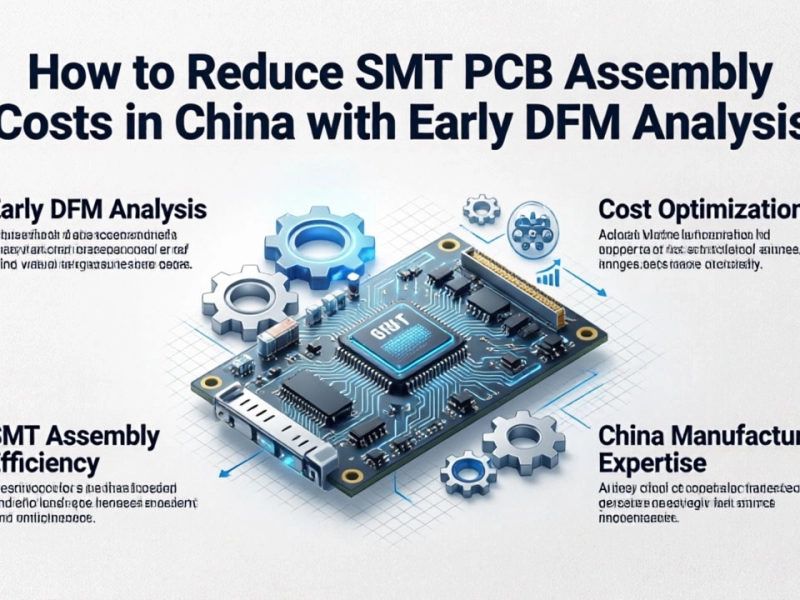
How to Reduce SMT PCB Assembly Costs in China with Early DFM AnalysisJune/17/2026
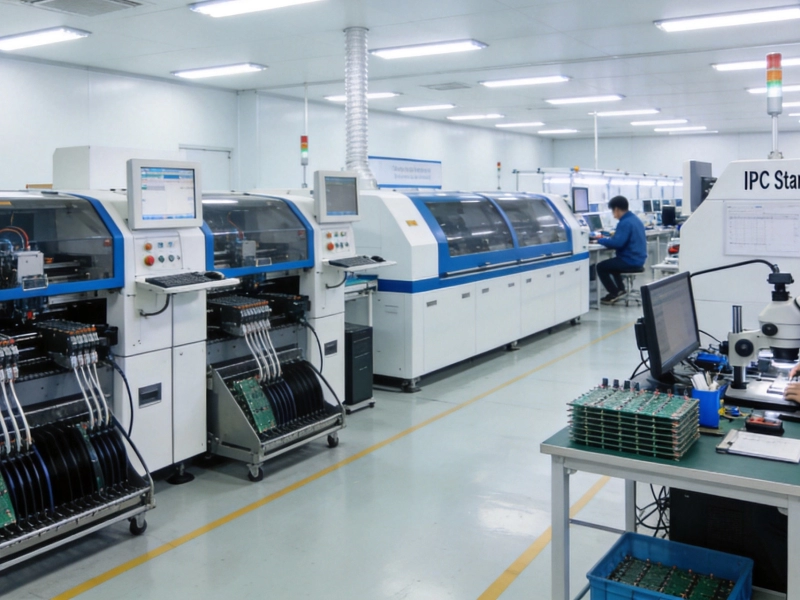
How China's SMT PCB Assembly Process Meets International IPC-A-610 StandardsJuly/22/2026

Ensuring Long-Term Supply Chain Stability for Industrial SMT Assembly in ChinaSeptember/03/2026

The Role of SMT PCB Assembly China in 5G Communication and Network EquipmentJuly/31/2026
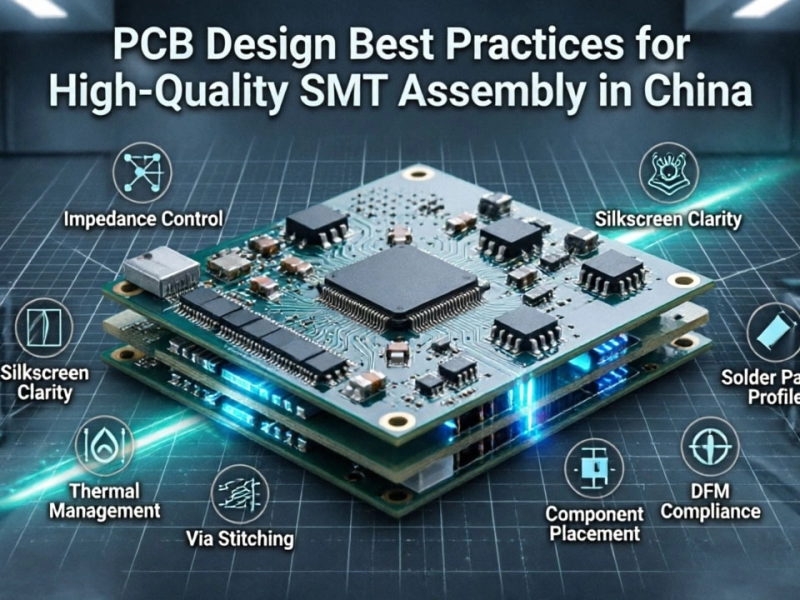
PCB Design Best Practices for High-Quality SMT Assembly in ChinaJune/05/2026
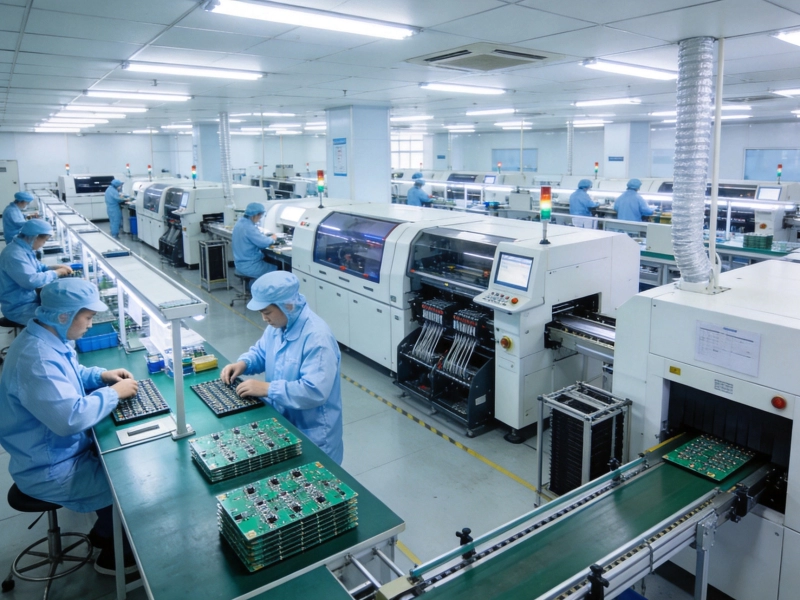
What to Prepare for a Smooth Quick-turn SMT Assembly Order in ChinaAugust/10/2026
Customizing SMT PCB Assembly China Applications for High-Density Interconnect (HDI) BoardsJune/22/2026
How a Top High Frequency PCB Manufacturer Ensures Signal IntegrityJune/02/2026