
Industrial Electronics demand reliability that consumer products simply can't match. When a circuit board operates in factory automation, automotive systems, or harsh industrial environments, failure isn't just inconvenient - it's dangerous and expensive. China has become a global center for Industrial Smt Pcb Assembly, but meeting industrial durability and reliability requirements demands specialized capabilities and processes that go far beyond standard consumer Electronics Assembly.
This guide explores the specific demands of Industrial Smt Pcb Assembly in China, focusing on durability and reliability requirements. We'll cover the standards, processes, and quality systems that enable Chinese manufacturers to deliver industrial-grade assemblies that withstand harsh environments and demanding operating conditions. Whether you're developing industrial products or selecting assembly partners, understanding these requirements helps you achieve the reliability your applications demand.
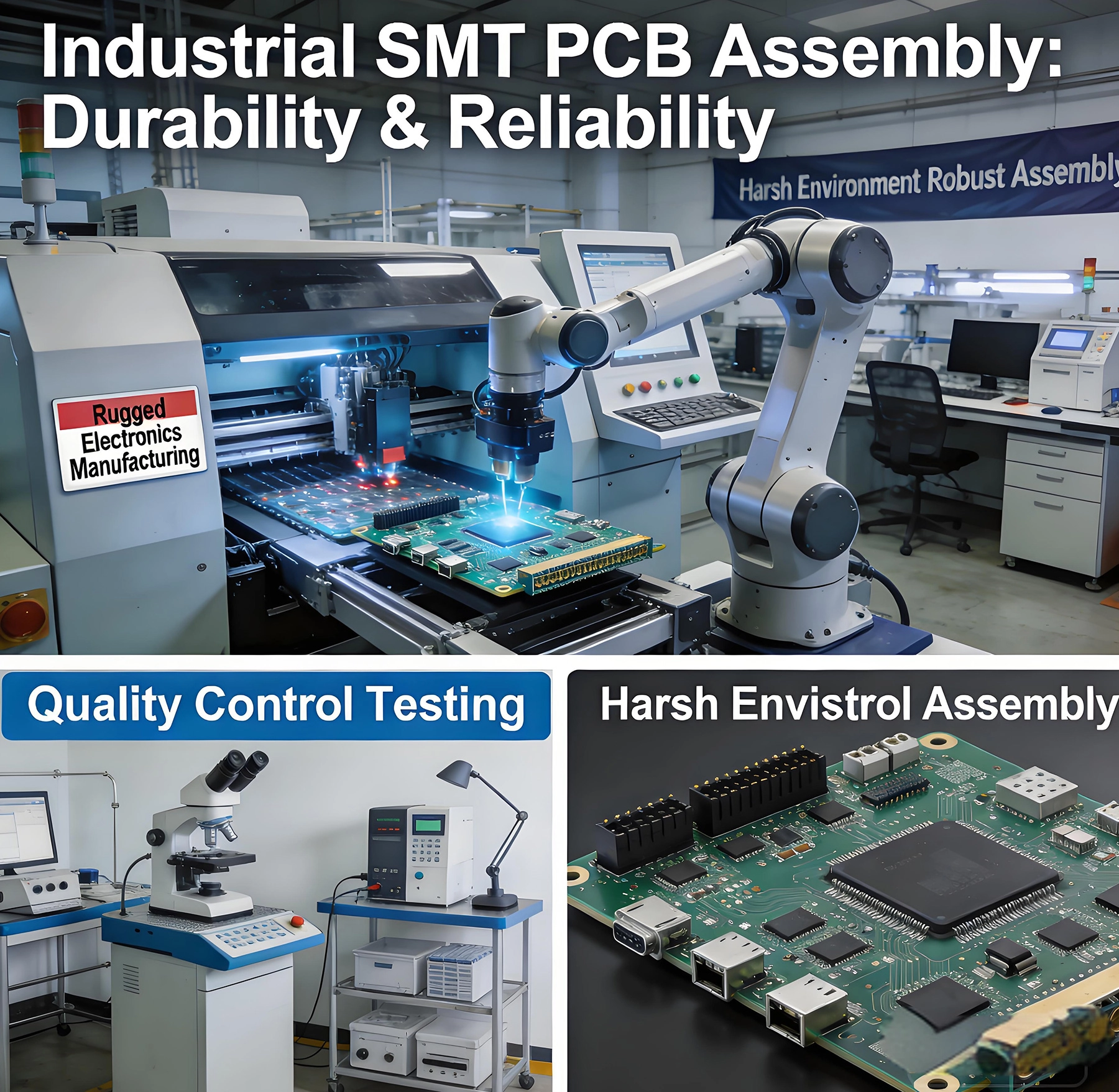
Industrial Electronics operate in environments that would destroy consumer-grade equipment. Understanding these environments is the first step to designing and assembling boards that can survive.
Typical industrial environmental conditions:
These environmental factors stress every aspect of PCB assembly - component selection, soldering quality, Conformal Coating, and mechanical design must all address these challenges.
Industrial products have reliability requirements that far exceed consumer electronics:
Industrial reliability standards:
Achieving these reliability levels requires attention to every detail of assembly. Single points of failure must be eliminated. Every solder joint, every component, every material must be selected and assembled for maximum reliability.
Not all components are suitable for industrial applications. Component qualification ensures selected components meet industrial reliability requirements.
Component qualification requirements:
Commercial-grade components might work in laboratory conditions but fail prematurely in harsh industrial environments. Industrial-grade components are designed and tested for the stresses they'll encounter in real-world applications.
Industrial designs typically derate components from their maximum specifications to improve reliability:
Derating guidelines:
Derating doesn't waste capacity - it invests in reliability. Components operating below their limits experience less stress, last longer, and fail less frequently. The slight cost increase from using larger components is easily justified by the reliability improvement.
Component Placement affects durability in industrial environments:
Placement strategies:
Good Component Placement reduces environmental stress and improves overall reliability. Taking placement seriously during design prevents problems that would be expensive or impossible to fix later.
Solder joint quality is fundamental to board reliability. Industrial assembly requires exceptional solder quality:
Solder quality requirements:
Common solder defects that affect reliability:
Industrial assembly facilities use advanced inspection systems to detect solder defects that would cause reliability problems. X-ray Inspection for BGA components catches internal defects that visual inspection can't see.
Contamination causes corrosion and electrical failures in industrial environments:
Cleanliness requirements:
Contamination sources:
Industrial assembly facilities implement rigorous cleanliness controls. Clean room environments, proper cleaning procedures, and contamination prevention are essential for long-term reliability.
Moisture-sensitive components require special handling to prevent popcorn cracking during soldering:
Moisture sensitivity procedures:
Moisture damage can cause immediate failure during assembly or latent failures later in operation. Proper moisture sensitivity management prevents both problems and is essential for industrial reliability.
Conformal coating provides environmental protection for industrial assemblies. Selecting the right coating is critical for protection effectiveness:
Conformal coating types:
Coating selection criteria:
Conformal coating is essential protection in harsh environments. The right coating prevents moisture intrusion, contamination buildup, and corrosion - all major causes of electronic failure in industrial settings.
Proper coating application is as important as coating selection:
Coating application requirements:
Inspection requirements:
Coating application requires trained personnel and controlled processes. Improper coating fails to provide protection and can actually trap contaminants, accelerating failure.
Comprehensive electrical testing validates assembly quality and identifies potential reliability problems:
Electrical test requirements:
Electrical testing catches problems that would cause immediate or early failures. However, electrical testing alone doesn't guarantee long-term reliability - additional testing is needed.
Environmental testing simulates operating conditions to verify durability:
Environmental test requirements:
Test duration and intensity:
Environmental testing identifies problems that would only emerge after months or years in the field. Catching these problems during validation prevents field failures and product recalls.
Accelerated life testing predicts long-term reliability through accelerated stress:
Accelerated testing approaches:
Testing objectives:
Accelerated testing can't perfectly predict field reliability, but it provides valuable data and catches problems before products ship. It's essential for products with long service life requirements.
Industrial assembly facilities operate under formal quality management systems:
Relevant ISO standards:
These standards require documented processes, regular audits, and Continuous Improvement. Certification demonstrates commitment to quality and provides framework for consistent quality delivery.
Rigorous process control ensures consistent quality:
Process control measures:
Process control isn't just about catching defects - it's about preventing defects. Statistical monitoring identifies process drift before it causes quality problems, enabling proactive correction.
Quality improvement is never complete:
Continuous Improvement activities:
Industrial assembly facilities that deliver consistent reliability embrace continuous improvement. They analyze every defect, optimize every process, and invest in their people to maintain and improve quality.
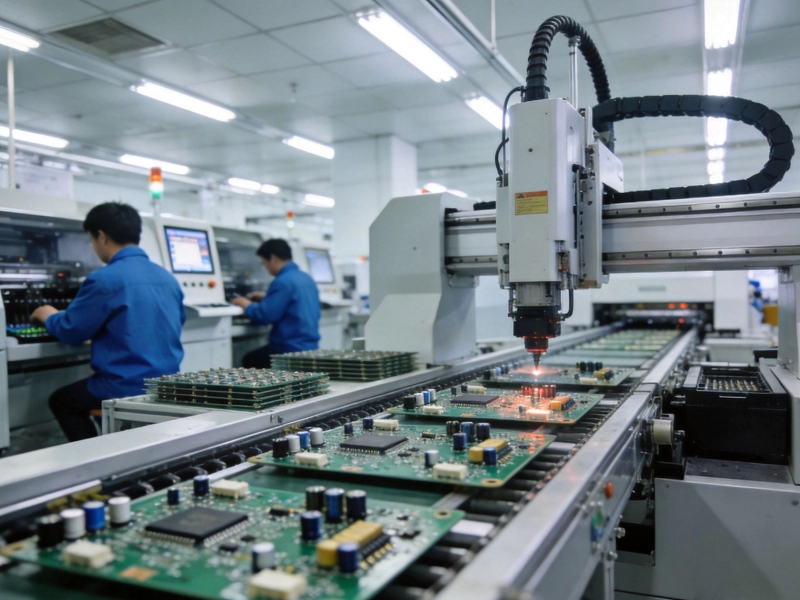
Leading Chinese industrial assembly facilities invest in advanced equipment:
Equipment capabilities:
Equipment investment is necessary but not sufficient for industrial quality. The processes, training, and quality systems that surround equipment are equally important.
Skilled personnel are essential for industrial quality:
Personnel requirements:
Chinese facilities compete globally on quality, so they invest heavily in personnel training and development. The best facilities have experienced teams that understand industrial requirements.
Quality culture distinguishes the best facilities:
Quality culture characteristics:
A facility with strong quality culture delivers consistent quality regardless of challenges. Quality culture is harder to measure than equipment but more important for long-term reliability.
Reliability starts with design:
Design for reliability practices:
Design decisions made early determine reliability potential. Design for reliability practices maximize that potential and make reliability achievable during assembly.
Selecting the right assembly partner is critical:
Partner selection criteria:
Not all assembly facilities are equally capable of industrial-quality work. Choose partners with proven experience in industrial applications and demonstrated quality capabilities.
Complete documentation supports reliability:
Documentation requirements:
Documentation isn't just bureaucracy - it supports reliability by ensuring processes are repeatable, problems are traceable, and knowledge isn't lost.
Industrial assembly presents specific challenges:
Typical challenges:
These challenges are real but manageable. The key is understanding them and planning for them during design and partner selection.
Proven approaches address these challenges:
Challenge solutions:
The right approach depends on your specific product and constraints. Working with experienced assembly partners helps identify the best balance for your situation.
Industrial Smt Pcb Assembly in China demands commitment to durability and reliability that goes far beyond consumer electronics requirements. The environmental stresses, reliability expectations, and product lifetimes involved require specialized capabilities, rigorous processes, and quality-focused culture throughout the assembly organization.
The demands are significant, but Chinese facilities with industrial experience and quality focus can meet these demands reliably. The key is selecting partners with the right experience, capabilities, and quality systems. When you work with facilities that understand industrial requirements and have proven processes for achieving reliability, you get assemblies that perform reliably in demanding industrial environments.
Reliability isn't achieved by accident - it's the result of careful design, rigorous assembly processes, comprehensive testing, and quality-focused culture. Each element contributes to assemblies that withstand harsh environments and deliver the long service lives industrial applications require. China's industrial assembly capabilities continue to evolve, with increasing sophistication in reliability engineering and quality management.
For anyone developing industrial electronics, understanding these requirements and working with capable assembly partners is essential. Industrial products deserve industrial-quality assembly - and China's best facilities deliver exactly that. The combination of advanced capabilities, cost efficiency, and quality focus makes China an excellent choice for industrial Smt Pcb Assembly.
Q: How do industrial assembly requirements differ from consumer electronics?
A>Industrial requirements are significantly more demanding. Industrial products must operate in harsh environments, achieve much higher reliability, and have much longer service lives. This requires specialized components, rigorous processes, comprehensive testing, and quality systems that go far beyond consumer electronics requirements.
Q: What's the most critical factor for industrial Pcb Reliability?
A>Design for reliability is the most critical factor. While assembly quality is important, design decisions determine reliability potential. Component selection, derating, Thermal Management, and environmental protection design create the foundation for reliability. Assembly then achieves that potential through proper processes and quality control.
Q: How do I select the right Chinese assembly partner for industrial products?
A>Look for facilities with specific industrial experience, relevant quality certifications (ISO 9001 plus industry-specific like Iso 13485 for medical), comprehensive testing capabilities, and proven track record with products similar to yours. Verify their experience through references and case studies. Communication during the selection process also indicates how they'll work with you on your project.
Q: Is conformal coating always necessary for industrial boards?
A>Not always, but it's highly recommended for most industrial applications. Conformal coating provides essential protection against moisture, contamination, and corrosion - major failure mechanisms in industrial environments. The cost and effort are small compared to the reliability benefit. Only skip conformal coating if you're absolutely certain it's unnecessary for your specific application.
Q: How do environmental testing requirements vary by application?
A>Testing requirements vary significantly based on operating environment and reliability expectations. Automotive testing is different from factory automation testing, which is different from outdoor applications. Requirements are defined by industry standards (automotive Iatf 16949, medical ISO 13485, etc.) and specific product specifications. Work with your assembly partner to define appropriate testing for your application.
SMT PCB Assembly for Harsh Environments: Conformal Coating Solutions in ChinaJuly/18/2026
Why IPC Class 3 Standards Matter for Industrial SMT PCB Assembly in ChinaJuly/08/2026
Why IPC Class 3 Standards Matter for Industrial SMT PCB Assembly in ChinaJune/28/2026
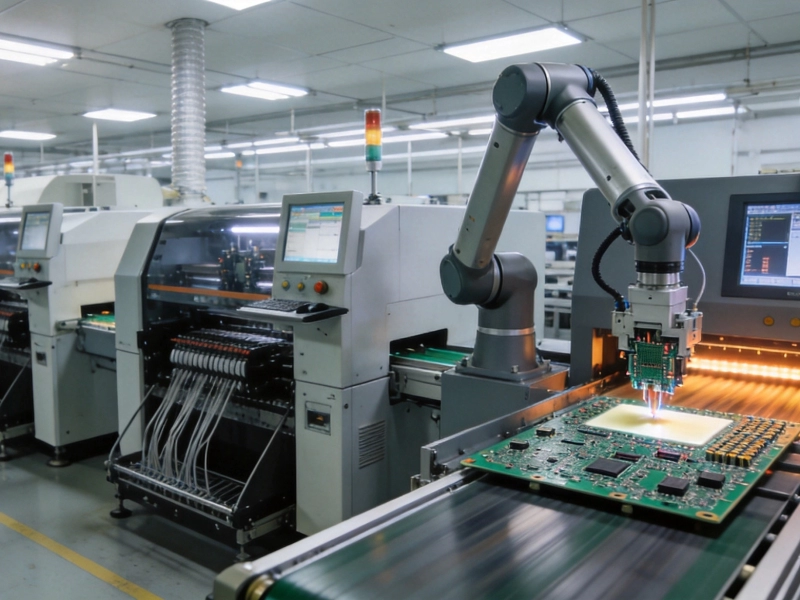
Step-by-Step: From Solder Paste Printing to Final Testing in China SMT AssemblyJuly/13/2026
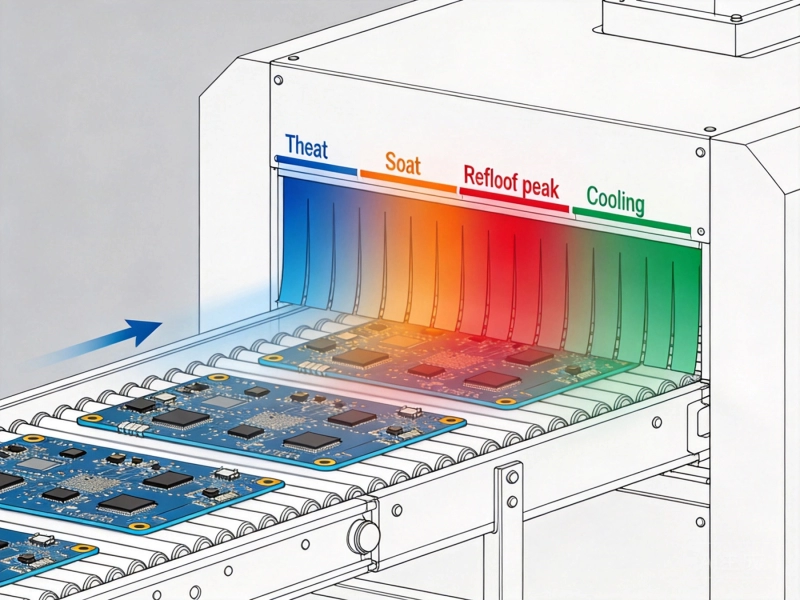
Understanding Reflow Soldering Profiles Used in SMT PCB Assembly ChinaJune/30/2026
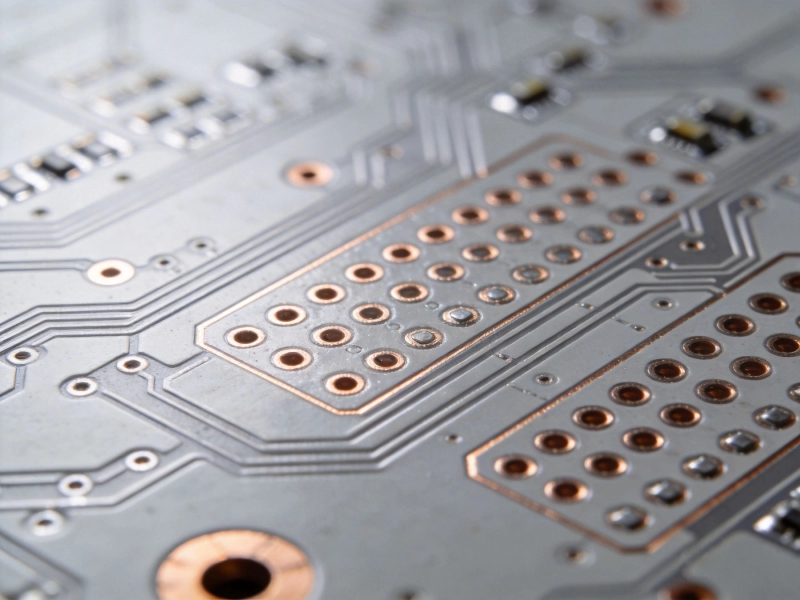
How to Design the Perfect Land Pattern for SMT Components in Chinese FactoriesJune/18/2026
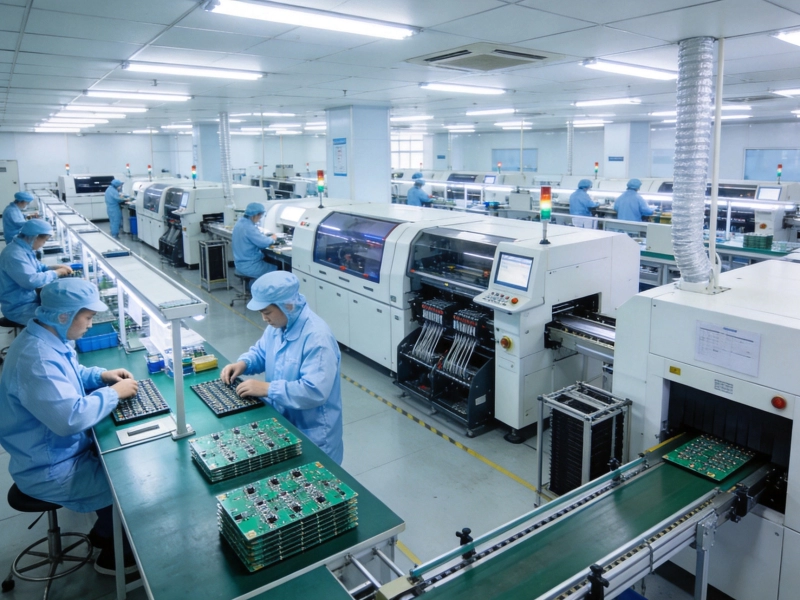
What to Prepare for a Smooth Quick-turn SMT Assembly Order in ChinaAugust/10/2026
How to Get Quick-turn SMT PCB Assembly in Just 24 Hours from ChinaJune/12/2026