Open Nav

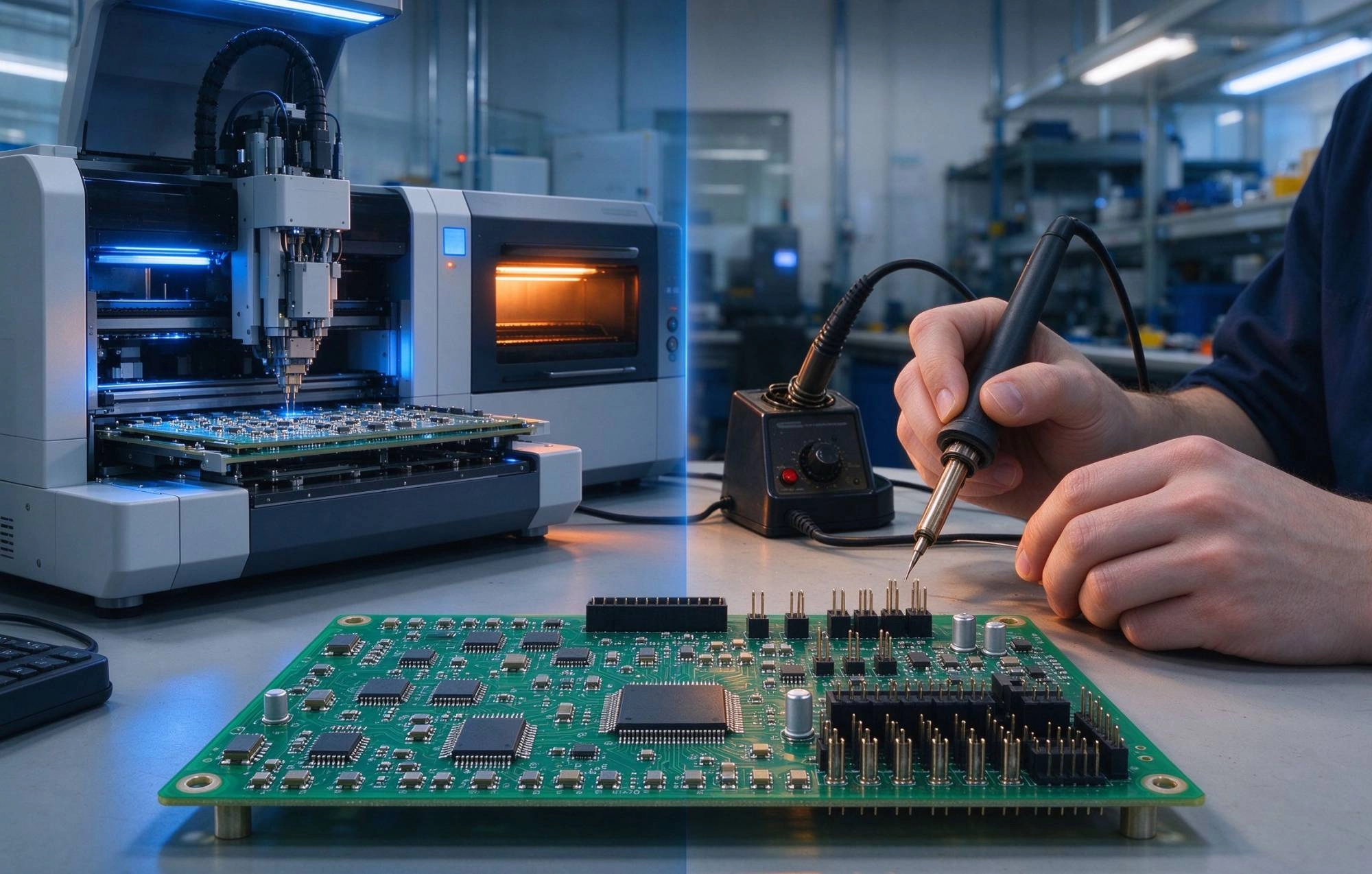
How to Choose the Best Assembly Method for Your PCB Prototype in ChinaOctober/12/2026China has become the world's leading destination for PCB prototyping and low-volume assembly, thanks to its mature supply chain, competitive pricing, and rapid turnaround times. However, selecting the right assembly method for your prototype is not a one-size-fits-all decision. The wrong choice ca...
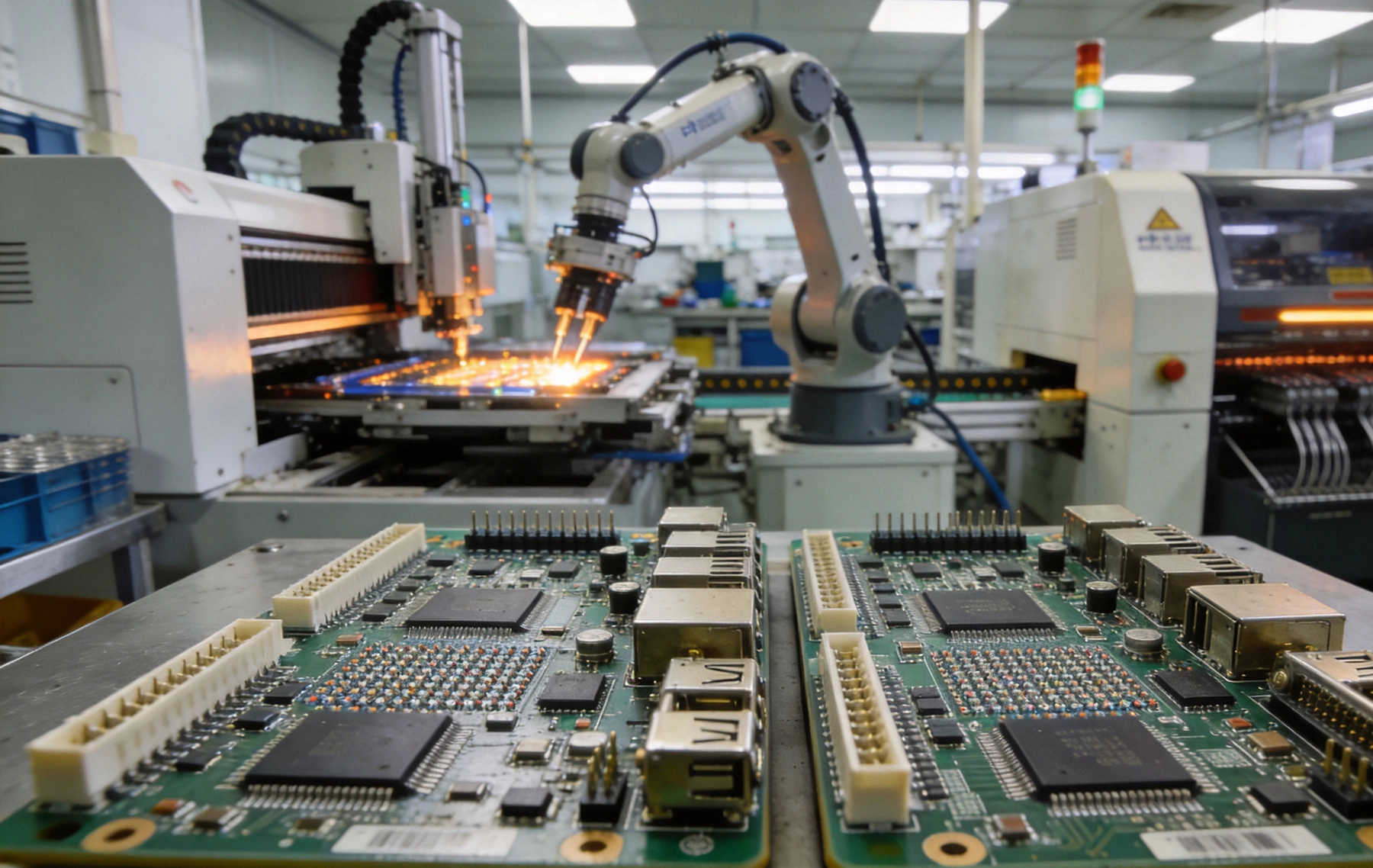
Design Rules Breakdown: Layout Differences for SMT vs THT Assembly in ChinaSeptember/21/2026Printed circuit board design rules differ fundamentally between surface mount technology and through-hole technology, yet many engineers treat them interchangeably when preparing designs for Chinese contract manufacturers. This oversight creates manufacturing complications that range from unnecess...
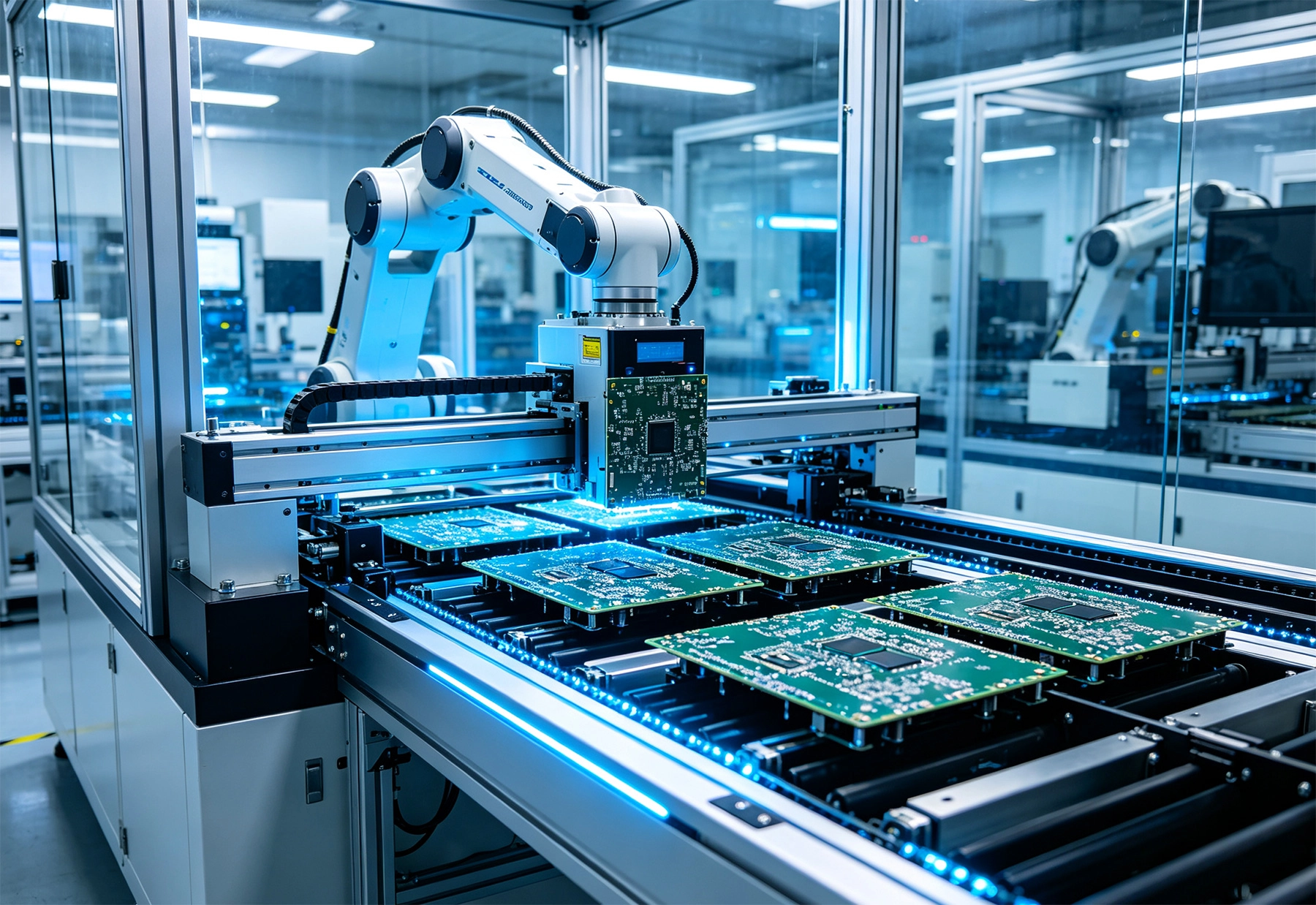
Automation Capabilities: Why SMT Assembly Wins Over THT for Mass Production in ChinaSeptember/10/2026The Chinese electronics manufacturing landscape has undergone a dramatic transformation over the past three decades, evolving from a labor-intensive assembly hub to a sophisticated center of automated production excellence. Within this evolution, surface mount technology has emerged as the dominan...
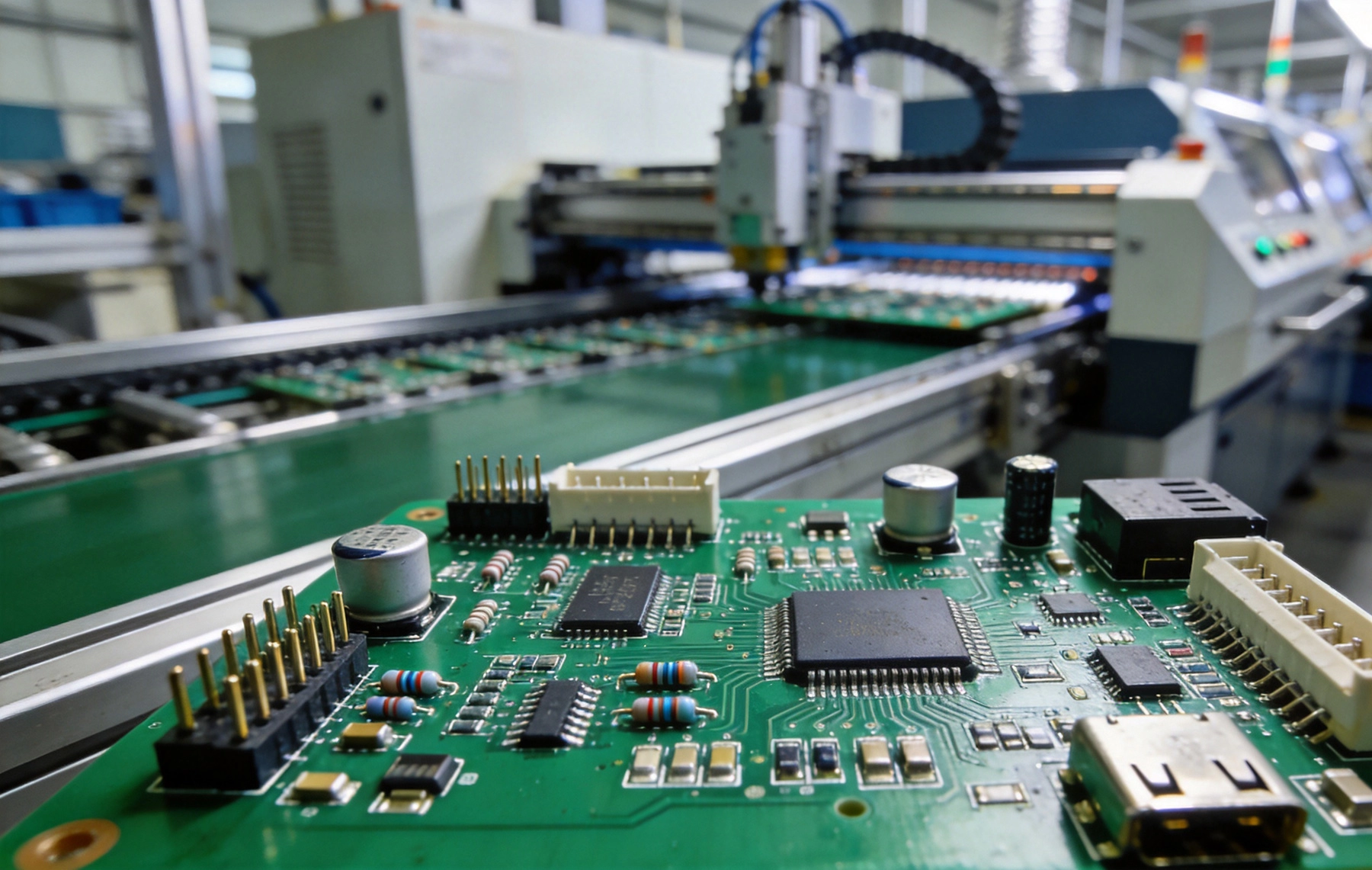
Mixed Assembly Explained: Combining SMT and THT on One PCB in ChinaSeptember/01/2026Mixed assembly combining surface mount technology (SMT) and through-hole technology (THT) components on a single PCB presents unique manufacturing challenges that require specialized expertise and process optimization. Many electronic products require both fine-pitch SMT components for dense digit...
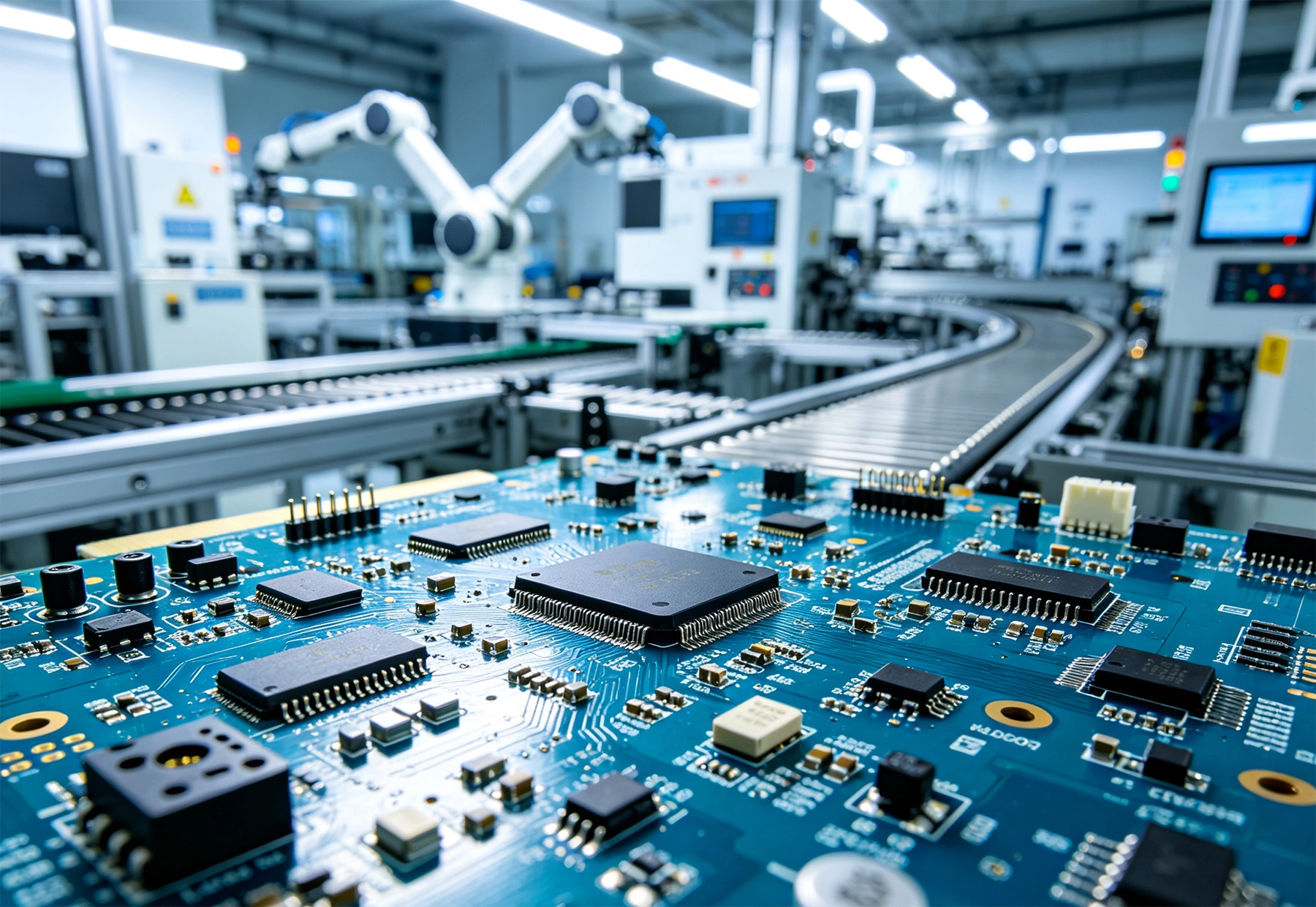
The Evolution of Electronics in China: From THT to High-Density SMT PCB AssemblyAugust/06/2026The transformation of China's electronics manufacturing industry over the past four decades represents one of the most remarkable industrial developments in modern history. What began as a labor-intensive assembly sector focused on simple through-hole technology has evolved into a sophisticated ma...
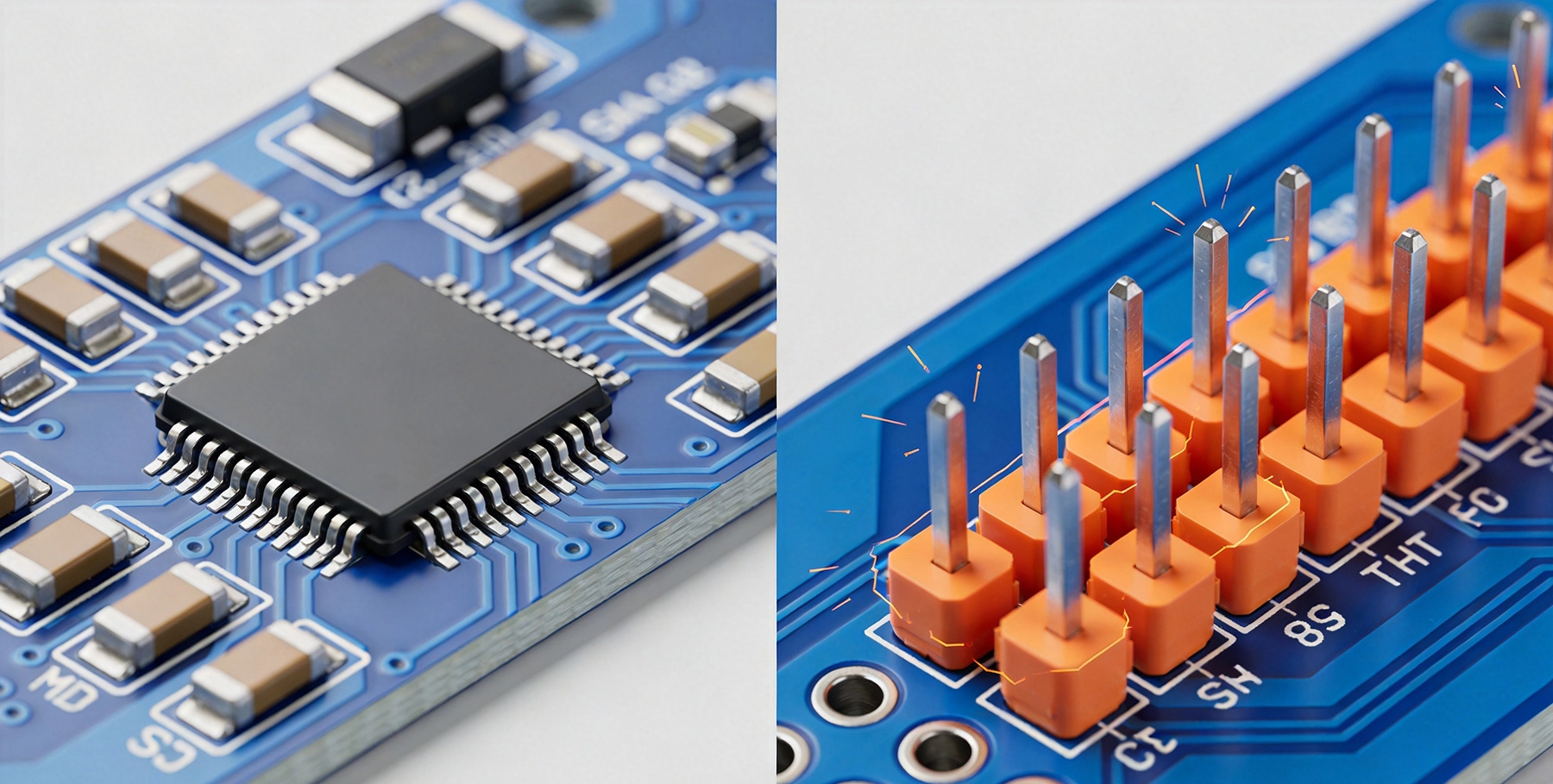
Understanding the Mechanical Strength Differences: SMT vs THT Assembly in ChinaJuly/27/2026The debate between Surface Mount Technology and Through-Hole Technology is as old as the technology itself, yet it remains genuinely relevant in 2026. While SMT has dominated the electronics manufacturing landscape for decades, through-hole technology never disappeared—it retreated to applications...
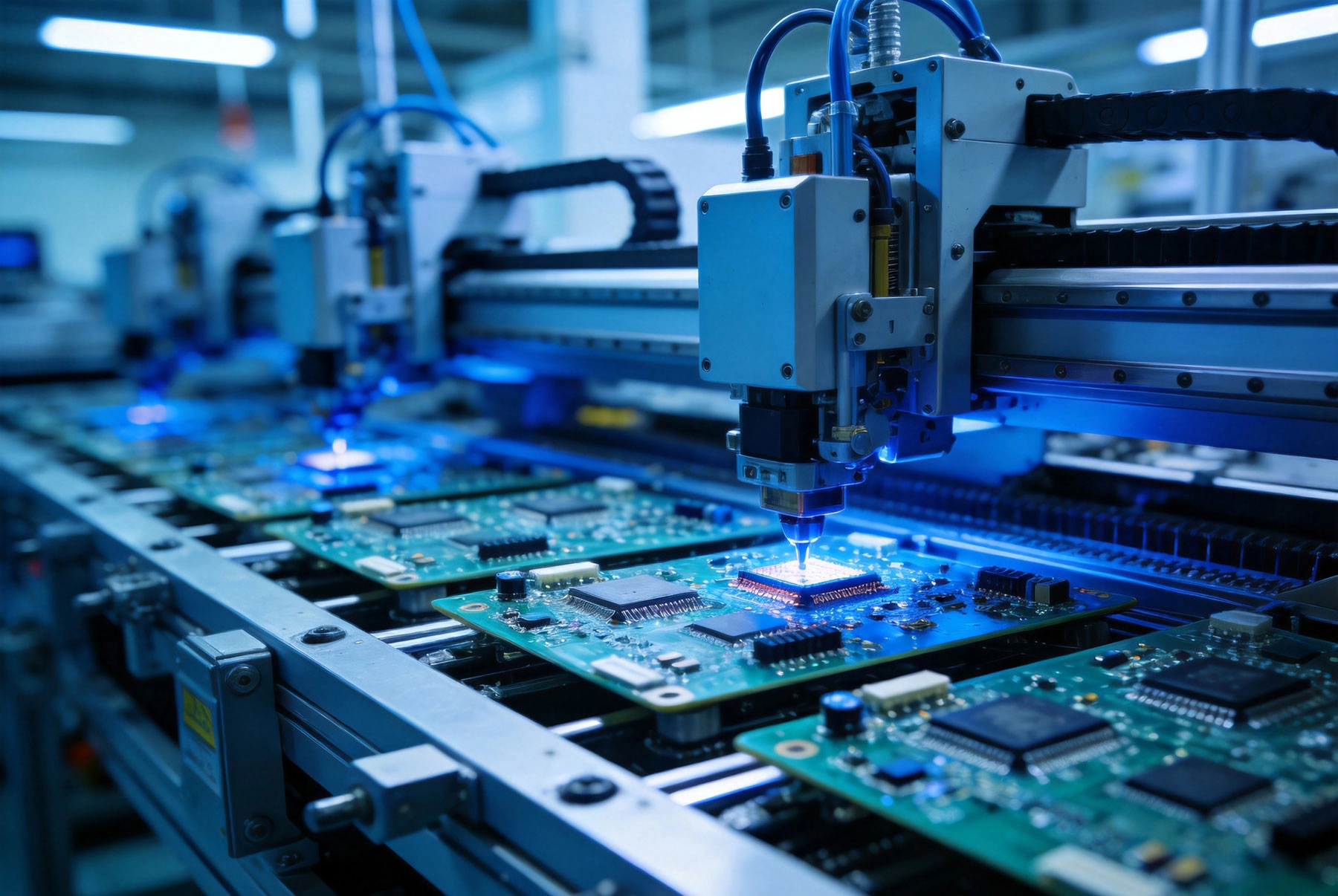
Cost Comparison: SMT vs THT PCB Assembly Services in ChinaJuly/07/2026When planning electronics manufacturing in China, one of the most critical decisions you'll face is choosing between Surface Mount Technology (SMT) and Through-Hole Technology (THT) assembly services. Both methods have distinct characteristics, advantages, and cost implications that can significan...
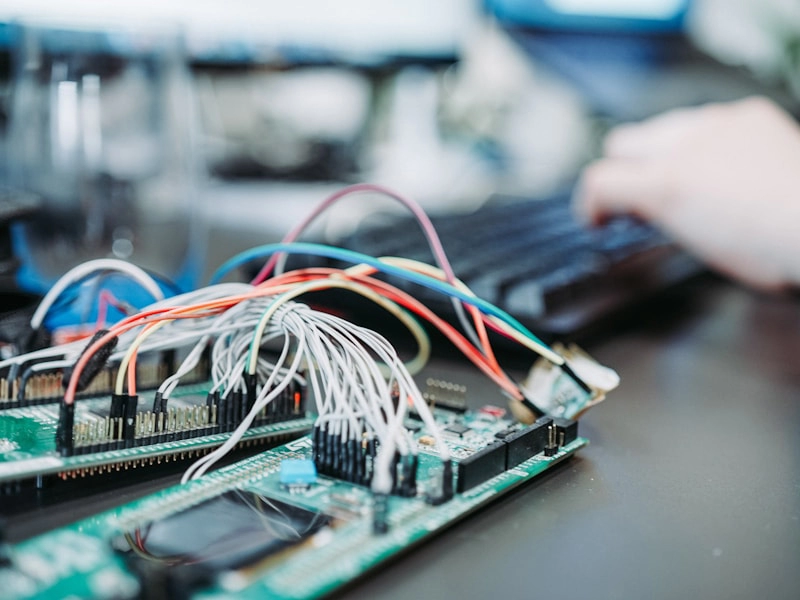
The Pros and Cons of SMT and THT in China's Electronics Manufacturing LandscapeJune/25/2026China's electronics manufacturing industry has grown to become the global powerhouse, producing everything from smartphones to automotive electronics. At the heart of this revolution lie two critical PCB assembly technologies: Surface Mount Technology (SMT) and Through-Hole Technology (THT). Under...
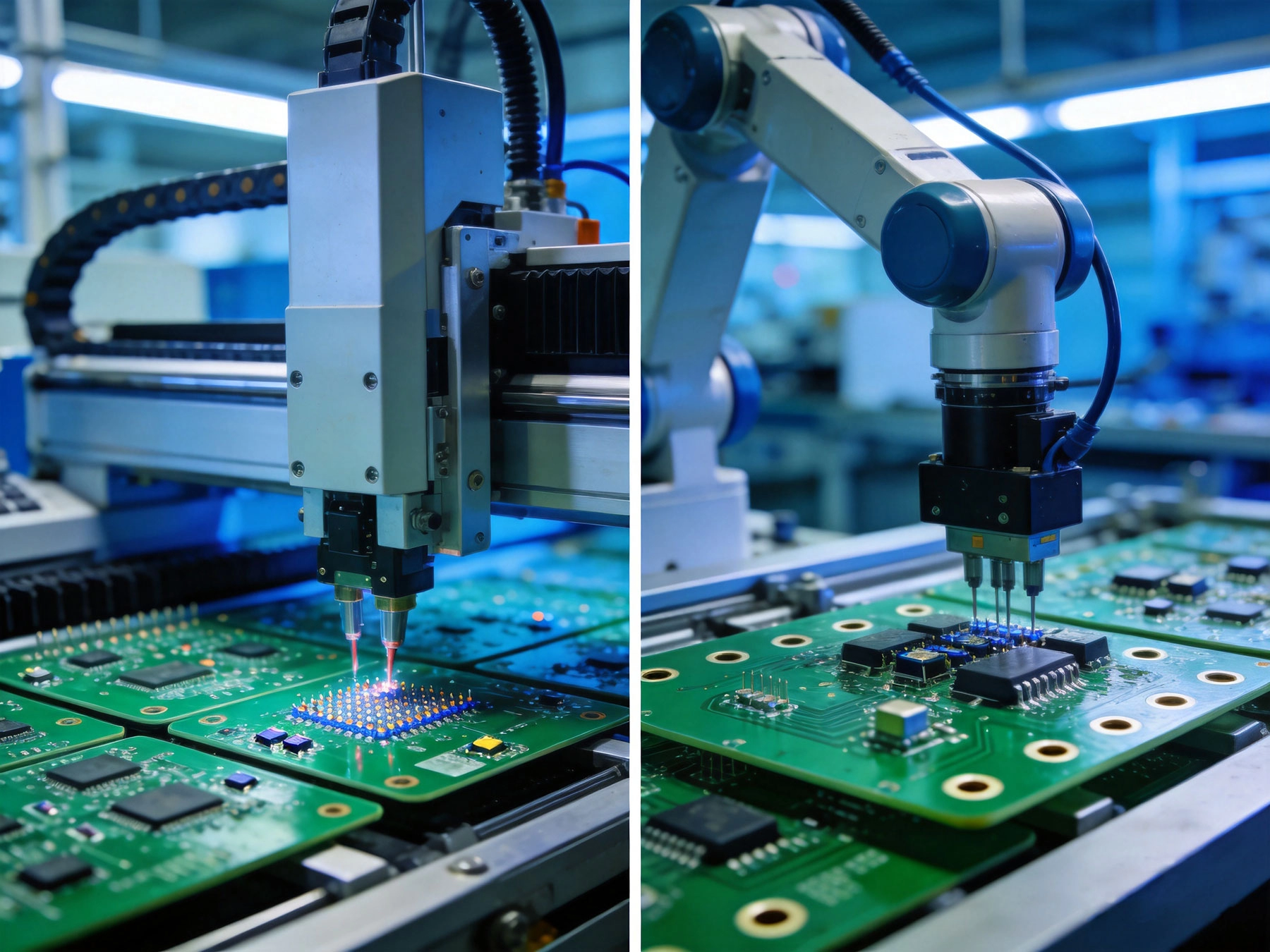
SMT vs THT PCB Assembly in China: Which Technology is Right for Your Project?June/08/2026Choosing the right SMT vs THT PCB assembly technology can make or break your electronics project. China's PCB manufacturing industry offers both surface mount technology and through-hole technology at competitive prices, but understanding their differences is crucial for optimal results. This comp...
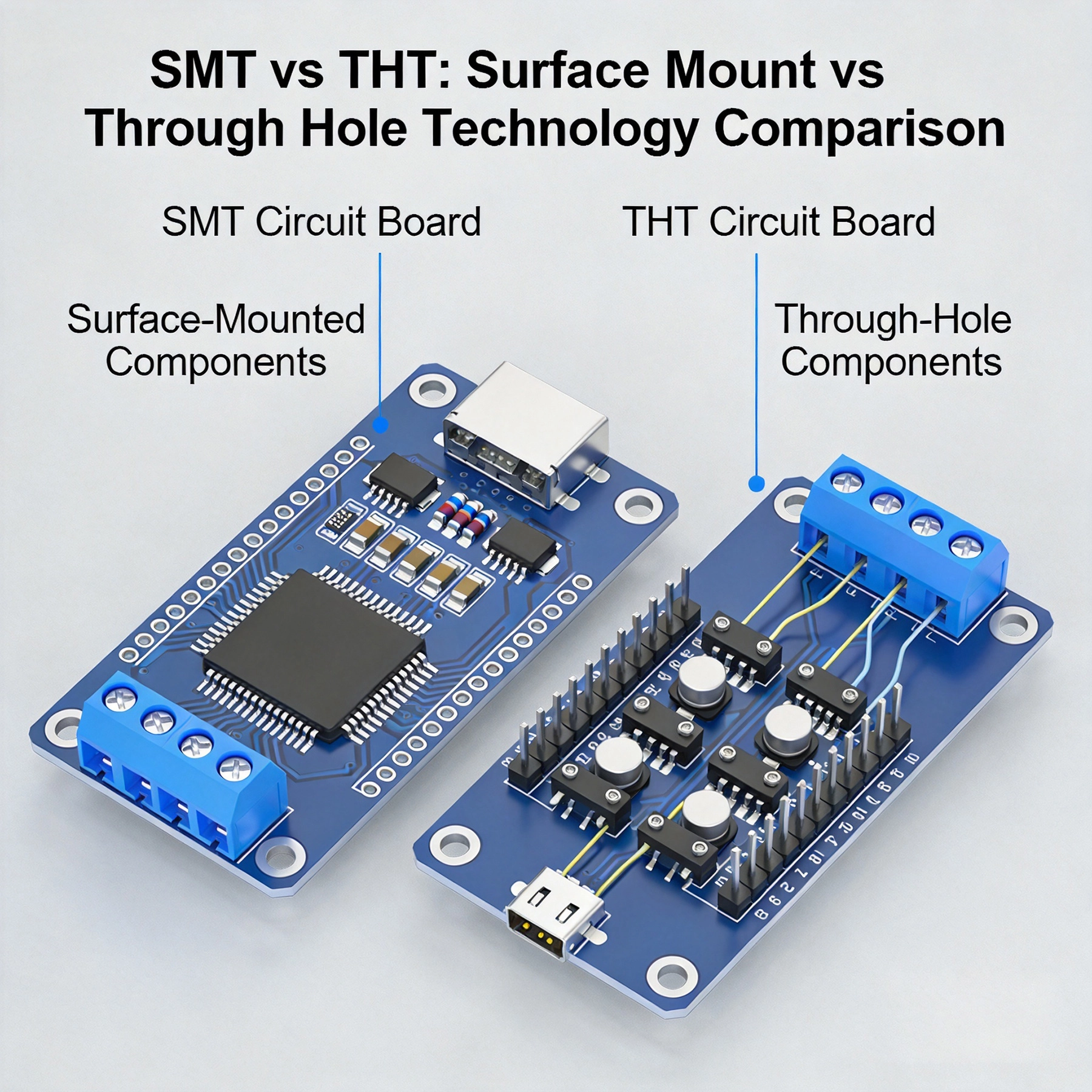
Which Technology is Right for Your Project?May/29/2026Choosing between surface mount technology (SMT) and through-hole technology (THT) for PCB assembly in China ain't just a technical decision - it affects cost, performance, reliability, and manufacturing feasibility. SMT dominates modern electronics, but THT still has important roles. Understanding...
In contrast, THT involves inserting component leads through drilled holes and soldering them, typically using Wave Soldering. While less space-efficient, THT provides superior mechanical strength and robust electrical connections, making it indispensable for high-reliability sectors like automotive, aerospace, and industrial controls. Leading Chinese assembly providers often offer hybrid solutions, skillfully combining SMT's compactness with THT's durability to meet diverse and complex engineering requirements.