Open Nav

Medical device electronics demand quality levels exceeding virtually all other industries. When a cardiac monitor fails, the consequences extend beyond product replacement to patient harm and potential loss of life. The regulatory environment governing medical devices enforces these quality imperatives through design controls, process validation, and manufacturing quality system requirements. Yet many medical device companies face pressures to control costs while maintaining the highest quality levels. This case study examines how one medical device manufacturer achieved zero defects in Smt Assembly through strategic partnership with a China-based Contract Manufacturer, exploring the approaches, investments, and cultural factors that enabled this exceptional outcome.

Our subject company, a mid-sized medical device manufacturer based in the United States, produces patient monitoring systems used in hospital intensive care units. Their flagship product line includes bedside monitors displaying vital signs, alarm conditions, and medication information. These devices contain complex multilayer PCBs populated with both Surface Mount and through-hole components, including sophisticated BGA packages for signal processing and power management components handling significant thermal loads.
Initial production volumes of 500 units monthly justified domestic manufacturing, but rapid market success doubled demand within eighteen months. Domestic capacity expansion proved economically challenging, with equipment lead times exceeding six months and facility costs rivaling overseas alternatives. The company evaluated offshore manufacturing partners in Mexico, Vietnam, and China before selecting a Contract Manufacturer in Shenzhen with established medical device experience.
The quality challenge was formidable. ICU monitors must operate reliably for extended periods without failure. False alarms create clinical workflow disruptions; missed alarms can endanger patients. The regulatory pathway through FDA 510(k) clearance had taken eighteen months; production problems could trigger expensive recalls or mandatory remediation. Zero defects was not marketing hyperbole but a genuine quality requirement.
Before production commenced, both parties invested heavily in quality system infrastructure. The contract manufacturer obtained ISO 13485 certification demonstrating compliance with medical device quality management requirements. This certification, though not required in China, aligned with the company's FDA-registered quality system and enabled streamlined regulatory documentation.
The partnership established comprehensive quality agreements defining responsibilities, documentation requirements, and escalation procedures. These agreements specified that the contract manufacturer would maintain process capability indices exceeding 1.67 for critical characteristics, adopt statistical process control for all assembly operations, and participate in quarterly quality reviews examining trends and improvement opportunities.
Incoming inspection protocols verified component quality before assembly. Components arrived with certificate of conformance documentation confirming manufacturer test results. The receiving team performed dimensional verification on critical packages, visual inspection of BGA and QFP components, and lot Traceability recording that linked incoming materials to production records.
Medical device regulations require process validation demonstrating that manufacturing processes consistently produce products meeting specifications. This validation extends beyond equipment calibration to encompass the entire manufacturing process including operator procedures, environmental controls, and incoming material variations.
The validation program spanned three months before production approval. Installation qualification verified that equipment matched purchased specifications. Operational qualification confirmed that equipment operated within designed parameters across all operating ranges. Performance qualification demonstrated that processes produced acceptable products despite challenging conditions including material variations and environmental extremes.
Process Failure Mode and Effects Analysis guided validation testing toward the most critical characteristics. Engineering teams identified forty-three potential failure modes affecting product safety or performance, then designed validation tests specifically targeting these risks. This risk-based approach focused validation resources where they delivered maximum Quality Assurance.
The contract manufacturer dedicated an Smt Production Line exclusively to this medical device account. This isolation prevented contamination from lead-containing assemblies, eliminated scheduling conflicts that might compromise quality, and enabled strict access controls limiting personnel movement near production areas.
Equipment selection emphasized precision and consistency over speed. Pick-and-place systems achieved placement accuracy of ±0.03mm with vision verification for every component. Solder paste printers incorporated 3D paste inspection measuring volume, height, and shape for every pad on every board. Reflow ovens featured nitrogen atmosphere maintaining oxygen levels below 500 ppm for improved wetting and reduced defects.
The line incorporated Automated Optical Inspection after paste printing, after Component Placement, and after reflow. Multiple inspection stages caught defects at their source rather than allowing them to propagate through subsequent operations. This defect detection approach reduced rework requirements while improving first-pass yields.
Skilled operators distinguish exceptional manufacturing from merely adequate execution. The contract manufacturer implemented comprehensive training programs that developed operator competencies beyond basic assembly procedures. Training addressed the medical device context, helping operators understand how their work affected patient safety and clinical outcomes.
Certification requirements specified minimum training hours, demonstrated competency on training boards, and passing scores on written examinations. Operators certified for medical device assembly could not work on other product lines without recertification, maintaining focus on the specialized requirements of this account.
Continuous improvement culture encouraged operators to identify and report process variations, equipment concerns, and improvement opportunities. Frontline personnel often observed subtle changes that engineering oversight might miss. Recognition programs rewarded contributions that improved quality or efficiency, reinforcing the value of operator engagement.
Statistical process control provides early warning of process drift before defective products result. The partnership implemented SPC for critical parameters including solder paste volume, Component Placement accuracy, reflow temperature profiles, and inspection measurement results.
Control charts displayed real-time process behavior for operators and quality personnel. When processes shifted toward warning limits, operators received immediate notification enabling corrective action before specifications were exceeded. This proactive approach prevented defect escapes while reducing unnecessary process adjustments that could increase variation.
Process capability indices summarized long-term process performance. Critical characteristics achieving Cpk values exceeding 1.67 demonstrated processes producing defective products at fewer than 0.3 per million opportunities. These capability levels exceeded typical manufacturing standards while meeting regulatory expectations for medical device production.
Medical device assembly requires environmental conditions preventing contamination that could affect product reliability. The dedicated production area maintained Class 8 cleanroom conditions with temperature control to ±1°C and humidity maintained between 40% and 60% relative humidity.
ESD protection prevented electrostatic discharge damage to sensitive components. Every workstation featured grounded mats, operators wore grounded wrist straps, and ionizers neutralized static charges in the assembly environment. Periodic ESD verification testing confirmed protection effectiveness throughout production operations.
Personnel movement into and out of production areas followed controlled procedures preventing contamination introduction. Anti-static smocks, hair covers, and gloves maintained cleanliness standards. These controls added operational complexity but protected product quality throughout the manufacturing process.
Visual inspection standards specified acceptable and rejectable defect criteria aligned with Ipc-a-610 Class 3 requirements for high-reliability electronics. Inspectors received training on medical device-specific requirements exceeding generic industry standards. Inspection documentation recorded defect types, locations, and dispositions for trend analysis.
X-ray Inspection verified solder joint quality for BGA and QFN packages where visual inspection cannot access hidden connections. This inspection capability proved essential for identifying voiding in BGA solder joints that could compromise reliability during thermal cycling. Boards exceeding internal voiding specifications underwent rework rather than proceeding to assembly.
Functional testing validated board performance before integration into higher-level assemblies. In-circuit testing verified component presence, orientation, and basic electrical function. Functional test programs exercised board operation under simulated clinical conditions, identifying failures that electrical testing might miss.
Despite prevention efforts, some boards required rework for defect correction. Rework procedures underwent the same validation rigor as initial assembly processes. Each rework operation specified equipment, materials, temperature profiles, and operator qualifications ensuring consistent results.
Rework stations incorporated precision hot air systems with温度 control to ±1°C and nitrogen atmosphere options for sensitive components. Microscopes with digital imaging enabled inspectors to verify rework quality while creating documentation evidence. Reworked areas received additional inspection and testing confirming restoration to acceptable condition.
Rework history tracking monitored boards through multiple rework cycles. Boards exceeding rework count limits due to repeated defects underwent engineering review determining whether continued production was appropriate or root cause investigation took priority over production completion.
Medical device regulations require complete Traceability from finished products back to component lots, production dates, and assembly personnel. The traceability system recorded serial numbers at every process step, creating audit trails that supported regulatory compliance and field failure investigation.
Electronic manufacturing records replaced paper-based documentation, reducing transcription errors and enabling real-time quality monitoring. Each board serial number linked to complete production records including component lot numbers, equipment parameters, inspection results, and operator identifications. This comprehensive documentation enabled rapid investigation when field issues emerged.
Document control procedures ensured that production personnel worked from current revision specifications. Obsolete documentation was archived rather than simply removed, enabling reconstruction of historical production conditions during regulatory inspections or failure investigations.
Corrective and preventive action programs systematically addressed quality issues identified through inspection, testing, customer feedback, and internal audits. CAPA investigations extended beyond immediate symptoms to identify root causes and implement systemic improvements preventing recurrence.
Monthly quality reviews examined defect trends, scrap rates, and rework metrics across all product families. When metrics shifted unfavorably, rapid response teams investigated and implemented corrective actions. This proactive approach prevented minor variations from escalating into significant quality problems.
Supplier quality engineers worked with component vendors addressing recurring issues affecting incoming material quality. These relationships improved supplier awareness of medical device requirements while securing cooperation in resolving quality concerns before material shipment.
After twelve months of production, the partnership achieved first-pass yields exceeding 99.5% across all board assemblies. Escaped defects reaching subsequent assembly operations numbered zero through the first full year of production. Field failure rates for production released boards measured less than 0.1% over the product warranty period.
Process capability indices for critical characteristics consistently exceeded Cpk 1.67, demonstrating robust processes operating well within specification limits. These capability levels reduced inspection intensity required for product acceptance, actually lowering Quality Assurance costs while improving protection against defect escapes.
Customer complaint rates from hospital users declined compared to prior domestic production. The improved quality translated directly to enhanced clinical user satisfaction and reduced support burden for the manufacturer's field service organization.
Several factors distinguished this successful partnership from typical offshore manufacturing relationships. Investment in quality infrastructure before production commencement established foundations that enabled subsequent excellence. The dedication of exclusive equipment and personnel created accountability that generalized production could not match.
Clear quality agreements with specific, measurable requirements eliminated ambiguity that often complicates contract manufacturing relationships. Regular communication through quarterly reviews and daily production meetings maintained alignment while enabling rapid response to emerging issues.
The contract manufacturer's genuine commitment to medical device quality, demonstrated through ISO 13485 certification and demonstrated capability, differentiated this partnership from competitors focused on Consumer Electronics. This commitment required investment that lower-quality alternatives avoided, but the returns through reduced defects justified the additional costs.
Achieving zero defects in medical device Smt Assembly requires commitment, investment, and systematic attention to quality at every organizational level. This case study demonstrates that China-based manufacturing partners can achieve quality levels meeting the most demanding medical device requirements when both parties invest appropriately in quality systems, process controls, and trained personnel.
The partnership model that enabled success combined the medical device manufacturer's regulatory expertise and quality system infrastructure with the contract manufacturer's manufacturing capabilities and cost advantages. Neither party could have achieved these results independently; the partnership created value exceeding what either could accomplish alone.
For medical device companies evaluating offshore manufacturing options, this case study provides a roadmap for success. The investments in quality infrastructure, process validation, and partnership development required for excellence are substantial, but the returns through improved quality, reduced costs, and scalable capacity justify the commitment. Zero defects remain achievable even in challenging manufacturing locations when organizations apply appropriate approaches and maintain rigorous standards.
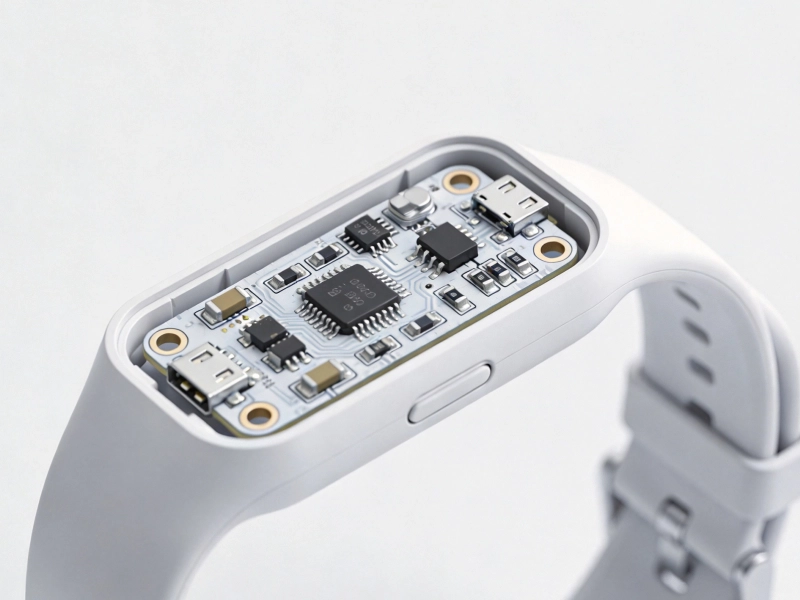
SMT PCB Assembly China Applications for Smart Home and Wearable DevicesSeptember/16/2026
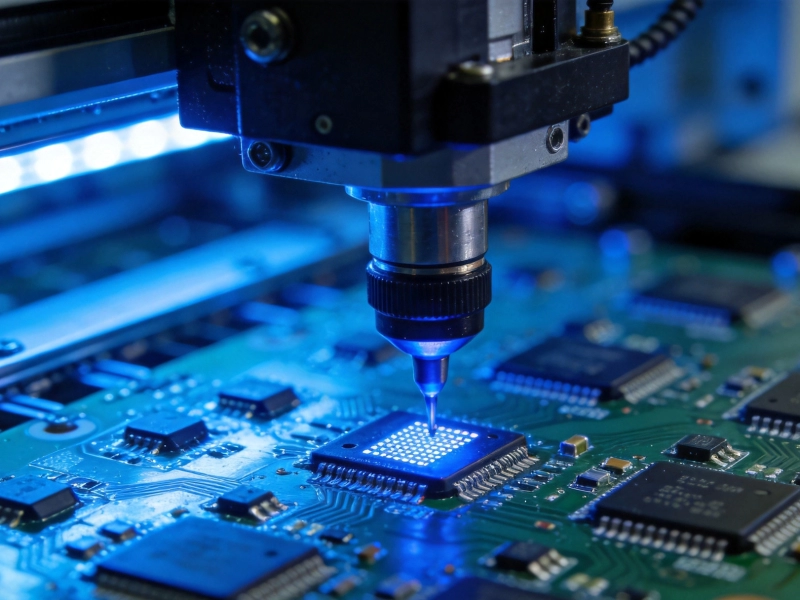
Why DFM is Critical for High-Density BGA SMT Assembly in ChinaJuly/25/2026
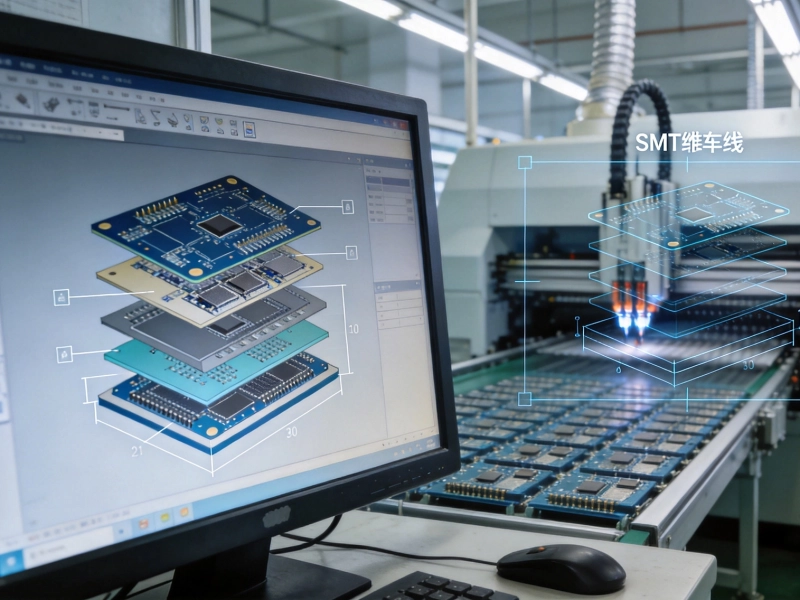
PCB Stack-up Considerations for Reliable SMT PCB Assembly in Chinese Supply ChainsSeptember/20/2026
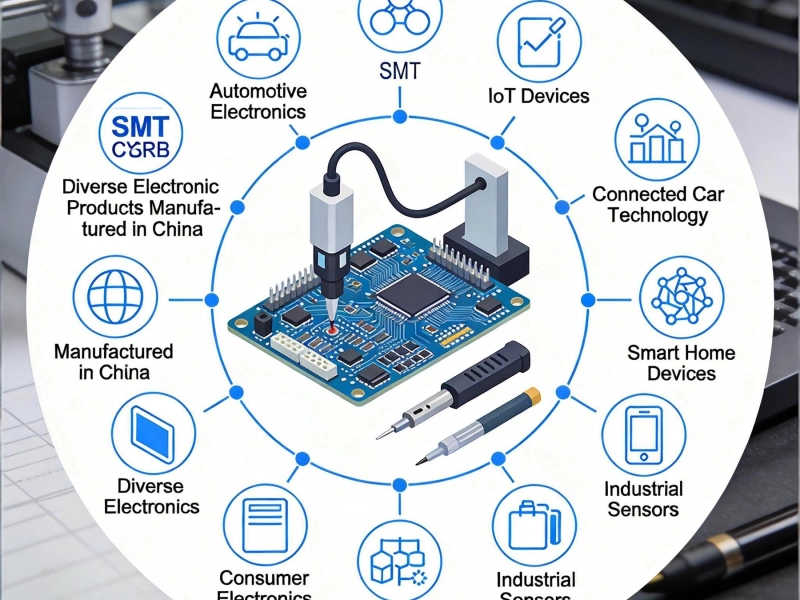
Top Applications of SMT PCB Assembly in China From Automotive to IoTMay/29/2026
The Impact of PCB Surface Finish on SMT Assembly Soldering Quality in ChinaAugust/06/2026

How Our China Factory Reduced Assembly Time by 30% for a Client's SMT ProjectSeptember/11/2026
Designing for Miniaturization: 0201 and 01005 Components in China SMT AssemblyJuly/26/2026
How to Place Fiducial Marks for Accurate SMT PCB Assembly in ChinaAugust/15/2026