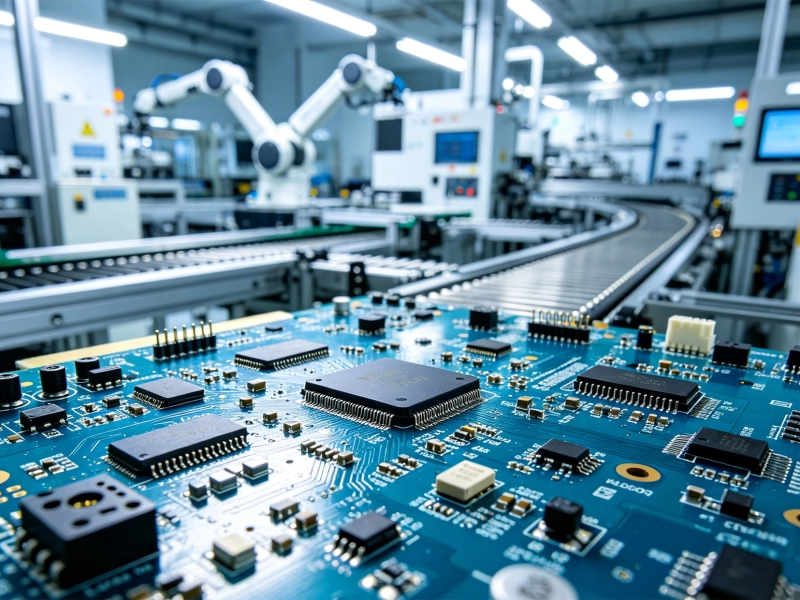
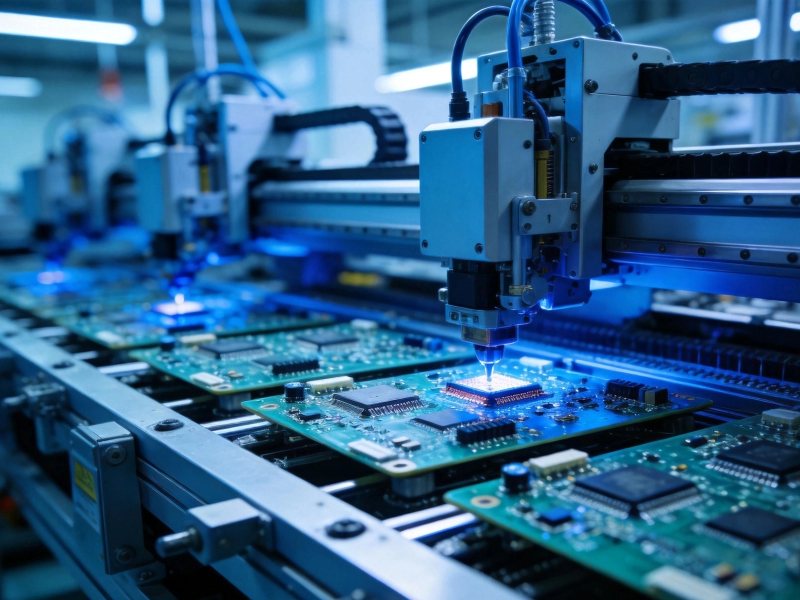
China's Electronics Manufacturing industry has grown to become the global powerhouse, producing everything from smartphones to Automotive Electronics. At the heart of this revolution lie two critical Pcb Assembly technologies: Surface Mount Technology (SMT) and Through-Hole Technology (THT). Understanding the strengths and limitations of each approach is essential for manufacturers looking to optimize their production processes in this competitive landscape.
Whether you're a startup developing your first product or an established enterprise scaling production, choosing the right assembly technology can make or break your project's success. This comprehensive guide examines the advantages and disadvantages of both SMT and THT technologies, helping you navigate China's dynamic Electronics Manufacturing environment with confidence.

What is SMT (Surface Mount Technology)?
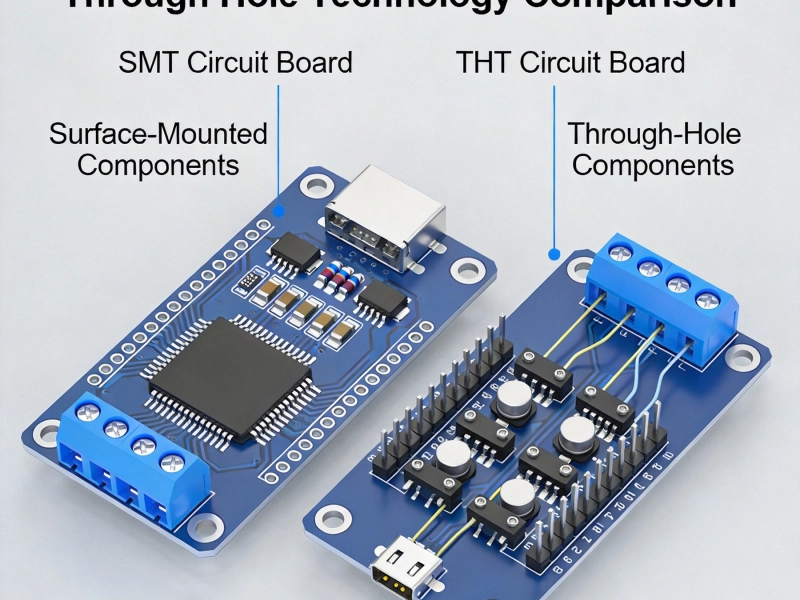
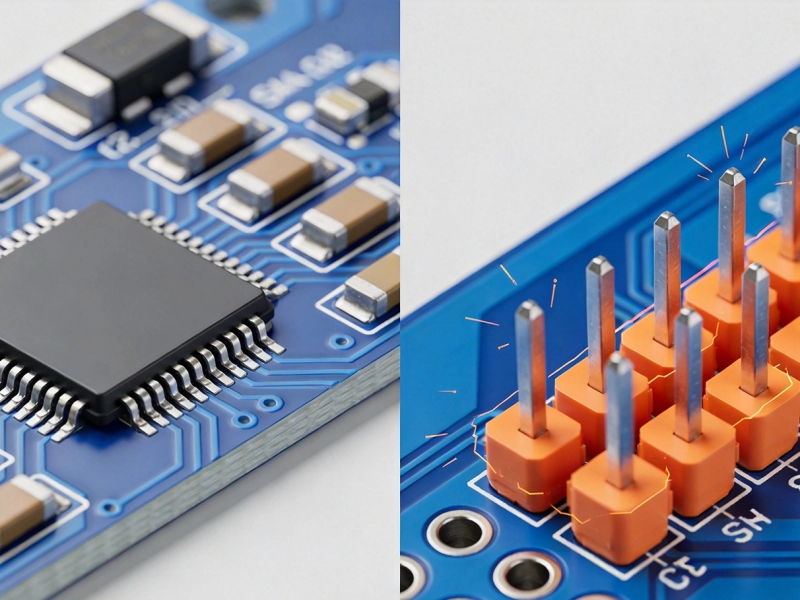
Surface Mount Technology represents the dominant force in modern electronics manufacturing. SMT components are mounted directly onto the surface of printed circuit boards without requiring holes to be drilled through the board. This technology has revolutionized the industry by enabling smaller, lighter, and more efficient electronic devices.
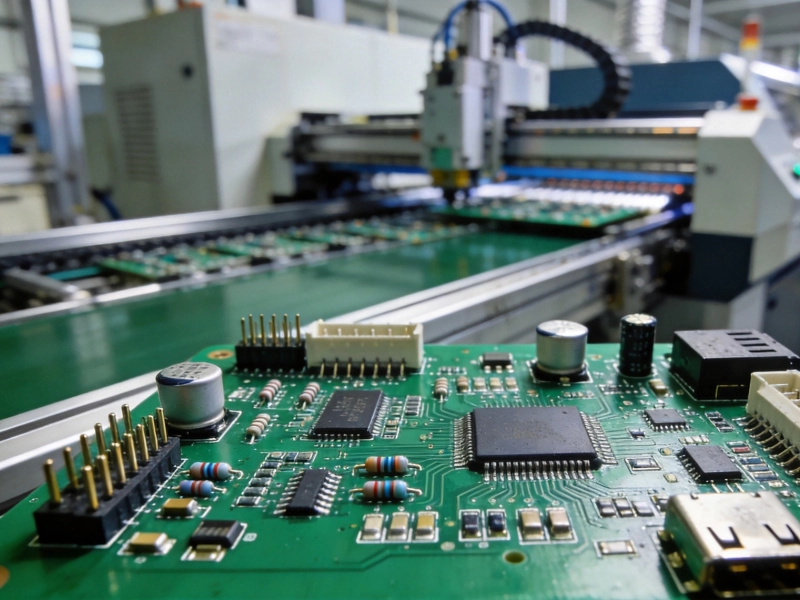
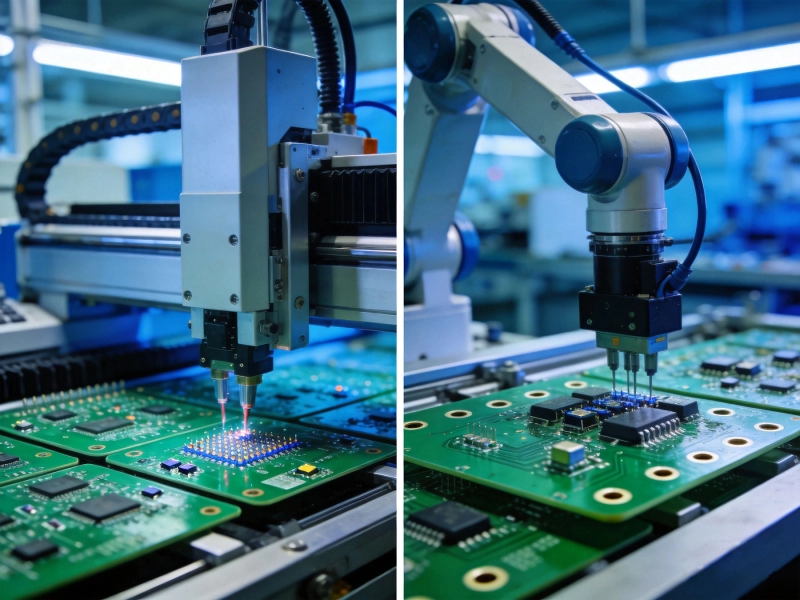
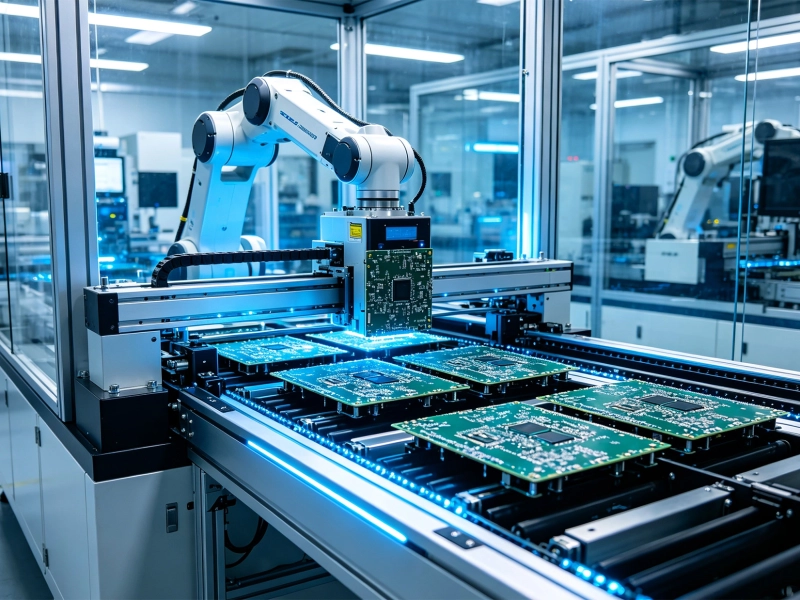
In China's manufacturing facilities, SMT lines are ubiquitous, supporting everything from Consumer Electronics to industrial control systems. The process involves automated pick-and-place machines that can position thousands of components per hour with remarkable precision. The components are then soldered using reflow ovens, creating reliable electrical connections.
The Advantages of SMT in Chinese Manufacturing
SMT offers numerous benefits that have made it the preferred choice for most modern electronics manufacturing applications in China:
-
Miniaturization: SMT components are significantly smaller than their through-hole counterparts, allowing for compact designs. This is particularly important in China's Consumer Electronics sector, where smaller devices like smartphones, wearables, and IoT devices are in high demand.
-
High Volume Production: Automated SMT lines can operate at incredible speeds, with some facilities capable of placing over 100,000 components per hour. This scalability makes SMT ideal for mass production scenarios common in China's export-oriented manufacturing model.
-
Cost Efficiency: At high volumes, Smt Manufacturing costs are lower due to reduced labor requirements and efficient use of materials. Chinese manufacturers have optimized SMT processes to maximize these cost advantages.
-
Better Performance: Shorter connection lengths in SMT designs result in better electrical performance, reduced signal interference, and improved high-frequency characteristics. This is crucial for modern electronics operating at higher frequencies.
-
Automated Quality Control: SMT processes are highly automatable, allowing for integrated quality inspection systems like Automated Optical Inspection (Aoi) to catch defects early in the production cycle.
The Limitations of SMT
Despite its advantages, SMT has several limitations that manufacturers must consider:
-
Higher Initial Investment: Setting up an SMT line requires significant capital investment in automated equipment, reflow ovens, and inspection systems. This barrier to entry can be challenging for smaller manufacturers or startups.
-
Component Handling Challenges: Small SMT components can be difficult to handle manually, making prototyping and low-volume production more challenging. Specialized skills and equipment are required for rework and repair.
-
Thermal Management Issues: SMT components typically have lower thermal dissipation capabilities compared to through-hole components, which can be problematic for high-power applications.
-
Mechanical Strength: Under vibration and stress conditions, SMT solder joints may be less robust than through-hole connections, requiring careful design consideration for automotive and industrial applications.
What is THT (Through-Hole Technology)?
Through-Hole Technology represents the traditional approach to Pcb Assembly, where component leads are inserted through holes drilled in the circuit board and soldered on the opposite side. While SMT has largely overtaken THT in mainstream applications, THT remains vital for specific use cases in China's manufacturing landscape.
THT components are typically larger and more robust, making them easier to handle manually. The through-hole soldering process creates strong mechanical bonds, ideal for applications subject to physical stress or requiring reliable connections over long periods.
The Advantages of THT in Chinese Manufacturing
THT continues to offer unique advantages that keep it relevant in China's diverse manufacturing ecosystem:
-
Superior Mechanical Strength: Through-hole solder joints provide excellent mechanical stability, making THT the preferred choice for applications subject to vibration, shock, or physical stress. This includes Automotive Electronics, industrial equipment, and military applications.
-
Easier Prototyping: THT components can be easily soldered by hand, making prototype development and testing more accessible. Chinese startups and R&D centers often rely on THT for initial product development phases.
-
Better Heat Dissipation: Larger component leads and board holes facilitate better Thermal Management, making THT suitable for high-power applications where heat dissipation is critical.
-
Reliability in Harsh Environments: THT connections maintain reliability in extreme temperature variations, humidity, and other challenging environmental conditions. This makes THT essential for outdoor and industrial applications common in China's infrastructure projects.
-
Simple Testing: Through-hole connections are easier to probe and test during quality control processes, facilitating thorough inspection and validation.
The Limitations of THT
THT's disadvantages have limited its adoption in modern electronics manufacturing:
-
Lower Density: Through-hole components and their required holes consume more board space, limiting design flexibility and component density. This conflicts with the trend toward Miniaturization in consumer electronics.
-
Higher Cost at Volume: At high production volumes, THT's manual or semi-automated assembly processes become more expensive compared to fully automated SMT lines.
-
Slower Production: Tht Assembly is inherently slower due to the sequential insertion process and Wave Soldering requirements. This limits its suitability for high-volume mass production.
-
Limited Component Availability: Many modern electronic components are only available in surface-mount packages, reducing THT's component selection for new designs.
-
Board Real Estate: Drilled holes restrict routing space on both sides of the board, potentially requiring more layers or larger board sizes to achieve the same functionality.
Mixed Assembly: The Best of Both Worlds
In China's sophisticated manufacturing landscape, many companies adopt a hybrid approach combining SMT and THT technologies. This Mixed Assembly strategy leverages the strengths of both methods to optimize performance, cost, and reliability.
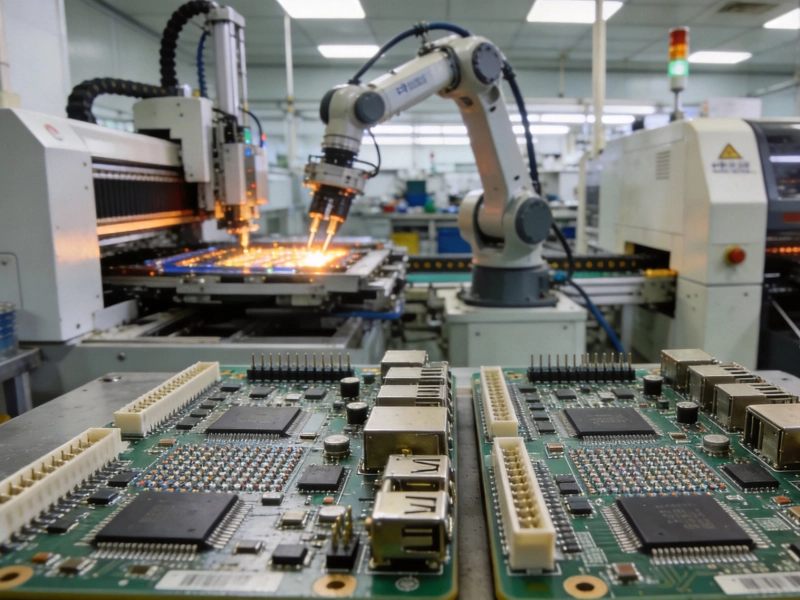
Typical scenarios for Mixed Assembly include power supplies, automotive electronics, and industrial control systems where delicate ICs use SMT while Power Components, connectors, and mechanical components use THT. Chinese PCB manufacturers have developed expertise in managing mixed assembly processes, ensuring compatibility and quality across different assembly technologies.
Cost Considerations in China's Market
China's manufacturing ecosystem offers unique cost advantages that influence SMT and THT decisions:
-
SMT Volume Discounts: Large Chinese manufacturers offer significant volume discounts for SMT production, making it increasingly cost-effective as production scales.
-
THT Prototyping Services: Many Chinese PCB fabricators provide low-cost THT prototyping services, enabling international companies to test designs before committing to mass production.
-
Tooling and Setup Costs: Chinese manufacturers have optimized their SMT setup processes to minimize tooling costs, making the technology accessible even for mid-volume production runs.
-
Labor Cost Dynamics: Rising labor costs in China have accelerated the adoption of automation, favoring SMT over manual THT processes in many applications.
Quality Control Standards
China's electronics manufacturing industry has implemented rigorous quality control standards that apply to both SMT and THT processes:
-
Ipc Standards Compliance: Most major Chinese manufacturers adhere to Ipc Standards (Ipc-a-610 for acceptability, IPC-7711/7721 for rework), ensuring consistent quality across assembly technologies.
-
Automated Inspection: Advanced SMT lines incorporate Aoi, X-ray Inspection, and automated testing systems to catch defects early in the production cycle.
-
THT Quality Assurance: THT processes utilize visual inspection, continuity testing, and functional testing to ensure connection reliability and electrical performance.
-
Traceability Systems: Modern Chinese facilities implement comprehensive Traceability systems that track components and assembly processes, enabling quality audits and Continuous Improvement.
Industry-Specific Applications
Different industries in China leverage SMT and THT technologies based on their specific requirements:
-
Consumer Electronics: Predominantly SMT for smartphones, tablets, and wearables. Miniaturization and high-volume production drive SMT adoption.
-
Automotive: Mixed assembly approach. SMT for control electronics, THT for Power Components and connectors subjected to vibration.
-
Industrial Equipment: THT preferred for Power Electronics and harsh environment applications where reliability under stress is critical.
-
Medical Devices: Mixed assembly balancing miniaturization (SMT) with reliability requirements (THT for critical connections).
-
Aerospace and Defense: THT dominant for mission-critical applications requiring maximum reliability under extreme conditions.
Future Trends and Developments
The electronics manufacturing landscape in China continues to evolve, with several trends shaping SMT and THT adoption:
-
Advanced SMT Components: Ongoing miniaturization of SMT components (0201, 01005 packages) enables even greater density, pushing the boundaries of what's possible in compact device design.
-
Automated THT Systems: New robotic systems are automating through-hole insertion processes, reducing costs while maintaining THT's mechanical advantages.
-
Smart Manufacturing Integration: IoT sensors and AI-powered quality control systems are being integrated into both SMT and THT production lines, improving efficiency and defect detection.
-
Component Shortage Management: Chinese manufacturers are developing flexible assembly lines that can switch between SMT and THT based on component availability, mitigating supply chain disruptions.
-
Sustainability Focus: Lead-free Soldering and environmentally conscious manufacturing practices are being adopted across both SMT and THT processes to meet global sustainability requirements.
Making the Right Choice for Your Project
Selecting between SMT and THT—or opting for a mixed assembly approach—requires careful consideration of multiple factors:
-
Production Volume: High volume (10,000+ units) typically favors SMT for cost efficiency, while low volume (prototyping) may benefit from THT's simplicity.
-
Design Requirements: Miniaturization needs push toward SMT, while mechanical strength requirements may necessitate THT components.
-
Environmental Conditions: Harsh environments (vibration, extreme temperatures) often require THT for critical connections.
-
Budget Constraints: Balance initial tooling costs against per-unit costs across your expected production lifecycle.
-
Time-to-market: SMT enables faster production ramp-up, while THT may be quicker for initial prototyping and testing.
-
Component Availability: Some components are only available in specific packages, which may influence your assembly technology choice.
Working with Chinese Manufacturers
Collaborating effectively with Chinese Pcb Assembly partners requires understanding their capabilities and communicating your requirements clearly:
-
Technical Specifications: Provide detailed Gerber Files, BOMs, and assembly drawings specifying component packages and placement requirements.
-
Quality Standards: Communicate your quality requirements (IPC class, inspection standards, testing protocols) clearly to ensure expectations are met.
-
Prototyping Phases: Plan for prototyping runs to validate assembly processes before committing to mass production, regardless of chosen technology.
-
Supplier Relationships: Develop long-term relationships with reliable manufacturers who understand your industry and quality requirements.
-
Communication Channels: Establish clear communication channels for design reviews, quality feedback, and production status updates throughout the assembly process.
Conclusion
China's electronics manufacturing landscape offers comprehensive capabilities in both SMT and THT technologies, each with distinct advantages and limitations. SMT dominates modern consumer electronics through its miniaturization, automation, and cost-efficiency at high volumes. THT remains essential for applications requiring mechanical strength, thermal management, and reliability under challenging conditions.
The optimal choice depends on your specific project requirements, production volume, environmental demands, and budget constraints. Many successful products leverage mixed assembly strategies, combining the strengths of both technologies to achieve the best balance of performance, reliability, and cost-effectiveness.
By understanding these technologies' pros and cons and working with experienced Chinese manufacturing partners, you can make informed decisions that optimize your product's assembly process for success in today's competitive global market.
FAQ
Q: Can I use both SMT and THT on the same PCB?
A: Yes, mixed assembly is common in China's manufacturing industry. Power supplies, automotive electronics, and industrial control systems frequently combine SMT for ICs and THT for power components and connectors.
Q: Is SMT always cheaper than THT?
A: Not necessarily. While SMT is more cost-effective at high volumes due to automation, THT can be more economical for low-volume production or prototyping. The break-even point depends on your production quantity and design complexity.
Q: How long does SMT setup take in Chinese factories?
A: SMT setup typically takes 1-3 days, depending on component availability, stencil fabrication, and programming requirements. Many Chinese manufacturers offer expedited services for urgent projects.
Q: What quality standards do Chinese manufacturers follow for SMT and THT?
A: Most reputable Chinese manufacturers adhere to IPC standards, particularly Ipc-a-610 for assembly acceptability and IPC-7711/7721 for rework procedures. Verify quality certifications when selecting a manufacturing partner.
Q: Can SMT components withstand high vibration environments?
A: Standard SMT components may struggle in high-vibration environments. For such applications, consider using underfill material, strategic Component Placement, or THT alternatives for critical connections. Automotive-grade SMT components with enhanced mechanical characteristics are also available.
Q: What's the minimum order quantity for Smt Assembly in China?
A: MOQs vary by manufacturer but typically range from 100-500 units for standard Smt Assembly. Many factories offer prototyping services for quantities as low as 5-10 units, though with higher per-unit costs.
Q: How do I choose between SMT and THT for my Power Electronics project?
A: Power electronics often benefit from mixed assembly: use SMT for control circuits and low-power components, and THT for power semiconductors, transformers, and high-current connections that require better thermal dissipation and mechanical strength.
Are you ready to optimize your PCB assembly strategy for success in China's electronics manufacturing landscape? Contact experienced manufacturing partners to discuss your specific requirements and explore how SMT and THT technologies can meet your production needs.