
China's Electronics Manufacturing industry has become the global powerhouse for Surface Mount Technology (SMT) PCB assembly. With advanced production capabilities and cutting-edge technology, SMT PCB Assembly in China has transformed how electronic devices are manufactured across multiple industries. From Automotive Electronics driving innovation on the roads to IoT devices connecting our homes, the applications of SMT technology in China are vast and growing. This comprehensive guide explores how China's SMT PCB Assembly capabilities are powering the next generation of electronic products and what makes China the preferred destination for Electronic Manufacturing Services worldwide.

The evolution of Smt Pcb Assembly in China has been nothing short of remarkable. Over the past two decades, China has invested heavily in advanced manufacturing infrastructure, positioning itself as the global leader in Electronic Manufacturing Services. The country's Smt Pcb Assembly capabilities have evolved from basic Component Placement to sophisticated, High-density Interconnect solutions that meet the most demanding industry requirements.
China's dominance in SMT technology stems from several key factors. First, the country has developed a robust ecosystem of suppliers, manufacturers, and skilled workforce that supports the entire PCB assembly process. From component sourcing to final testing, China's Smt Assembly facilities offer end-to-end solutions that streamline production and reduce Time-to-market for electronic products. Second, Chinese manufacturers have adopted cutting-edge equipment and processes, including Automated Optical Inspection, X-ray Inspection, and advanced Solder Paste Printing technologies that ensure consistent quality and high yields.
According to industry reports, China accounts for over 40% of global PCB production, with Smt Assembly representing the majority of manufacturing output. This market position is supported by government initiatives promoting advanced manufacturing and the "Made in China 2025" strategy, which emphasizes innovation in high-tech manufacturing sectors. As a result, SMT PCB assembly in China continues to attract investment from multinational corporations seeking reliable, cost-effective manufacturing partners for their electronic products.
The automotive industry represents one of the most significant applications of SMT PCB assembly in China. Modern vehicles contain dozens of electronic control units (ECUs) that manage everything from engine performance to safety systems, and these rely heavily on high-quality SMT-assembled PCBs. China's Automotive Electronics market has experienced explosive growth, with domestic and international vehicle manufacturers partnering with Chinese SMT assembly providers to meet increasing demand for sophisticated electronic systems.
Key automotive applications of SMT PCB assembly in China include:
China's SMT PCB assembly facilities have developed specialized expertise in automotive Electronics Manufacturing, implementing strict quality control processes that meet industry standards like Iatf 16949 and AEC-Q200. This expertise, combined with advanced equipment like automotive-grade SMT production lines and comprehensive testing capabilities, has made China a preferred destination for Automotive Electronics Manufacturing globally.
The Internet of Things (IoT) revolution has created unprecedented demand for compact, reliable, and cost-effective electronic devices, and China's SMT PCB assembly industry has risen to meet this challenge. IoT devices require miniaturized PCBs with multiple components packed into small form factors, making SMT technology essential for their production. China has become the world's leading manufacturer of IoT devices, with companies specializing in SMT assembly for smart home products, industrial IoT sensors, wearable devices, and connected appliances.
Smart home applications represent a particularly strong segment for SMT PCB assembly in China. Products like smart speakers, security cameras, thermostats, and lighting systems all rely on SMT-assembled PCBs for their functionality. These devices require careful component selection and precise assembly to balance performance, power consumption, and cost. Chinese SMT assembly providers have developed specialized processes for Iot Device Manufacturing, including low-volume, high-mix production capabilities that enable Rapid Prototyping and flexible manufacturing for emerging IoT products.
Industrial IoT (IIoT) is another growing application area for SMT PCB assembly in China. Factory automation, smart meters, environmental monitoring systems, and predictive maintenance sensors all require rugged PCBs that can withstand harsh industrial environments. China's SMT assembly facilities have developed expertise in manufacturing conformal-coated PCBs and using industrial-grade components that meet the reliability requirements of industrial applications. This expertise has helped Chinese manufacturers capture significant market share in the global Industrial Electronics market.
Wearable devices, including smartwatches, fitness trackers, and health monitoring devices, represent another important application of SMT technology in China. These products require extremely compact PCBs with flexible designs that conform to device form factors. Chinese SMT assembly providers have invested in advanced equipment for Flexible Pcb assembly and have developed specialized processes for handling miniaturized components and chip-scale packages common in wearable electronics.
Beyond automotive and IoT applications, SMT PCB assembly in China plays a crucial role in industrial automation and Consumer Electronics manufacturing. These sectors demand high-volume production capabilities with consistent quality, and Chinese SMT assembly facilities have evolved to meet these requirements through advanced automation and quality management systems.
In industrial automation, SMT-assembled PCBs are used in programmable logic controllers (PLCs), human-machine interfaces (HMIs), motor drives, and sensors. These applications require PCBs that can operate reliably in demanding industrial environments with electrical noise, temperature fluctuations, and vibration. China's SMT assembly facilities have developed specialized processes for Industrial Electronics, including through-hole component integration with SMT assembly, Conformal Coating applications, and rigorous testing procedures that ensure product reliability.
Consumer Electronics represents another major application area for SMT PCB assembly in China. From smartphones and tablets to televisions and audio equipment, consumer electronics products require high-density PCBs with precise component placement and reliable solder joints. China's consumer electronics manufacturers have established some of the world's most advanced SMT assembly lines, capable of producing millions of units annually while maintaining exceptional quality standards.
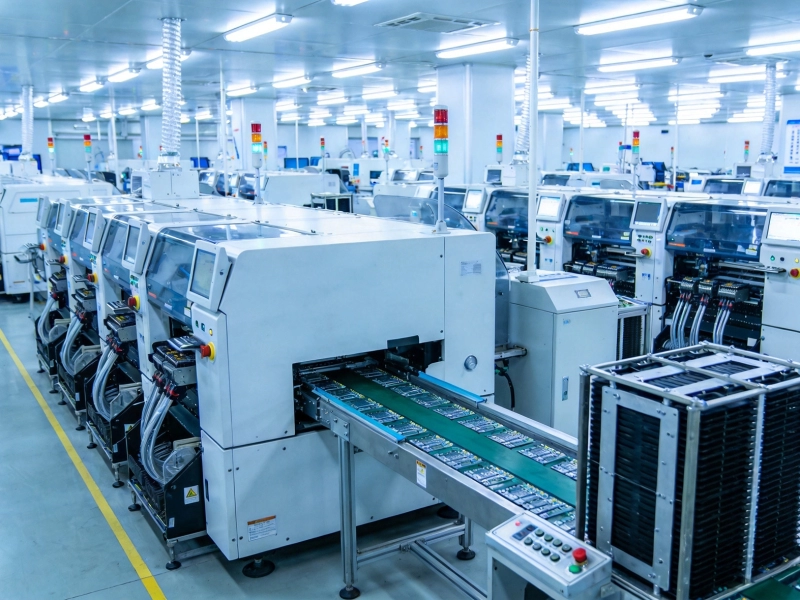
The scale of China's SMT PCB assembly capabilities for consumer electronics is impressive. Major electronics manufacturers operate multiple production facilities with hundreds of SMT lines running 24/7 to meet global demand. These facilities feature advanced equipment including high-speed pick-and-place machines, reflow ovens with nitrogen atmospheres, and Automated Optical Inspection systems that ensure consistent quality across high-volume production runs. This scale, combined with skilled engineering and process optimization, has made China the preferred manufacturing destination for leading consumer electronics brands worldwide.
As technology continues to evolve, SMT PCB assembly in China is adapting to meet new challenges and opportunities. Several emerging trends are shaping the future of Smt Manufacturing in China, and these trends will influence how electronic devices are produced across all application areas.
Miniaturization continues to drive innovation in SMT technology, with components becoming smaller and PCB densities increasing. Chinese SMT assembly facilities are investing in equipment capable of placing ultra-fine-pitch components and handling chip-scale packages with pitches below 0.3mm. This trend towards greater Miniaturization enables more functionality in smaller devices, supporting the development of next-generation IoT devices, wearables, and mobile electronics.
Industry 4.0 and smart manufacturing are transforming SMT assembly operations in China. Advanced manufacturing facilities are implementing real-time process monitoring, artificial intelligence for quality control, and digital twin technology for process optimization. These technologies improve production efficiency, reduce defects, and enable faster response to production issues, further strengthening China's position as a leader in SMT PCB assembly.
Sustainability is becoming increasingly important in Smt Manufacturing, and Chinese facilities are adopting environmentally friendly practices. Lead-free Soldering, waste reduction programs, and energy-efficient equipment are becoming standard across the industry. Additionally, manufacturers are implementing design for environment (DfE) principles to create products that are easier to recycle at end-of-life, aligning with global sustainability goals.
The integration of 5G technology is creating new requirements for SMT PCB assembly, particularly for high-frequency applications. Chinese manufacturers are developing expertise in high-frequency PCB assembly, including the use of advanced materials and specialized soldering techniques to maintain Signal Integrity at microwave frequencies. This expertise will be crucial for the production of 5G-enabled devices, base stations, and network infrastructure equipment.
SMT PCB assembly in China has established itself as a cornerstone of global electronics manufacturing, powering everything from automotive systems to IoT devices. The country's combination of advanced manufacturing capabilities, skilled workforce, and comprehensive supply chain ecosystem makes it the preferred destination for electronic manufacturing services worldwide. As technology continues to evolve, China's SMT assembly industry is adapting to meet new challenges through innovation, automation, and sustainable practices.
For companies looking to leverage China's SMT PCB assembly capabilities, it's essential to partner with manufacturers who have proven expertise in your specific industry and application area. Whether you're developing automotive electronics, IoT devices, industrial automation systems, or consumer electronics, China's SMT assembly providers offer the technical capabilities, scale, and quality consistency needed to bring your products to market successfully. By understanding the applications and trends discussed in this guide, you can make informed decisions about your SMT PCB assembly strategy and harness China's manufacturing expertise to drive your product innovation forward.
China's comprehensive electronics manufacturing ecosystem, advanced production capabilities, skilled workforce, cost-effective operations, and government support for high-tech manufacturing make it the preferred destination for SMT PCB assembly globally. The country's ability to scale production from prototype to mass production while maintaining quality consistency sets it apart from other manufacturing locations.
Chinese SMT assembly facilities serving the automotive industry implement rigorous quality management systems certified to Iatf 16949 standards. They use automotive-grade materials, implement statistical process control, conduct comprehensive testing including thermal cycling and environmental stress screening, and maintain full traceability for all components and processes to meet the automotive industry's strict quality requirements.
China manufactures a wide range of IoT devices using SMT assembly, including smart home products (speakers, thermostats, security cameras), wearable devices (smartwatches, fitness trackers), industrial IoT sensors and controllers, smart meters, environmental monitoring systems, and connected appliances. These devices benefit from SMT technology's ability to produce compact, reliable PCBs with high component density.
Industry 4.0 technologies are making SMT assembly operations in China smarter and more efficient. Real-time process monitoring systems collect data from production equipment, artificial intelligence analyzes this data to predict quality issues and optimize processes, digital twin technology enables virtual testing and process improvements, and automated material handling systems reduce human error and increase production throughput.
Chinese SMT assembly facilities are increasingly focusing on environmental sustainability through Lead-free Soldering processes, waste reduction programs, energy-efficient equipment, and implementation of design for environment principles. Many facilities comply with international environmental standards like RoHS and WEEE, and the Chinese government is promoting green manufacturing practices through regulations and incentives.
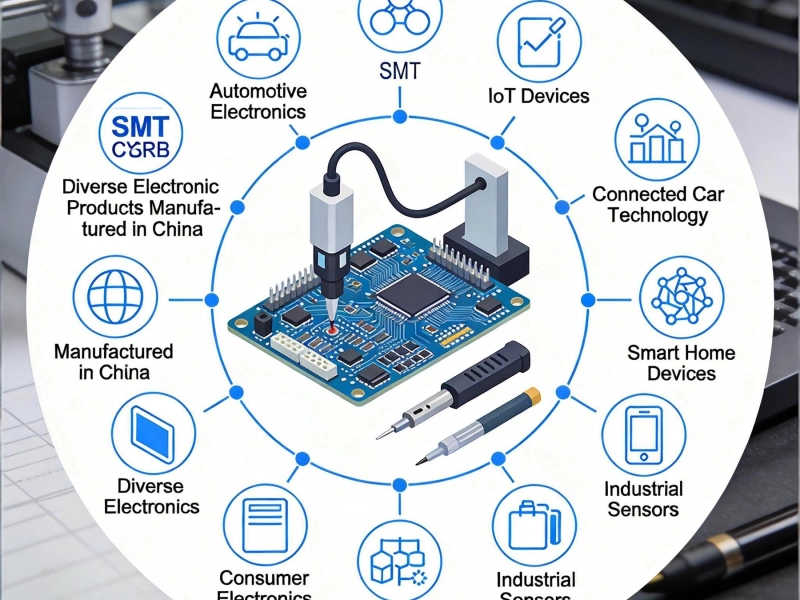
Top Applications of SMT PCB Assembly in China From Automotive to IoTMay/29/2026
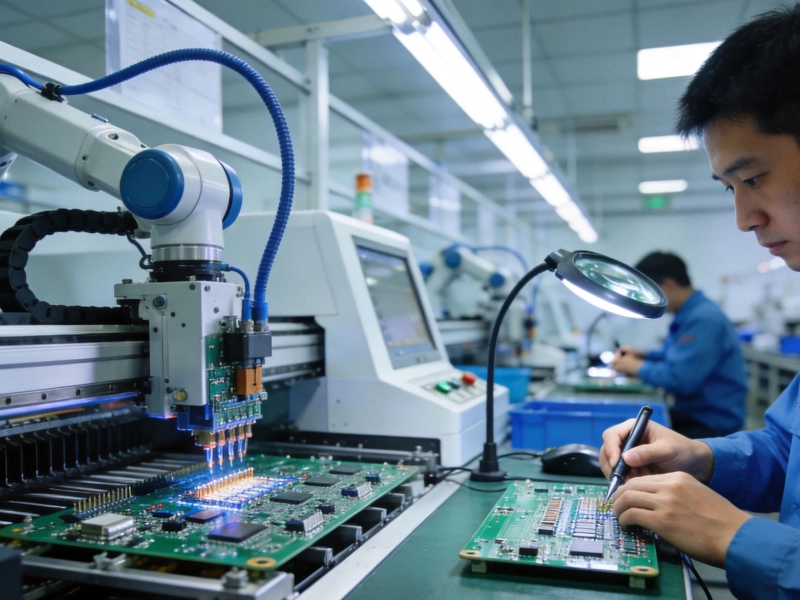
High-Reliability SMT PCB Assembly China Applications in the Automotive IndustryJuly/10/2026
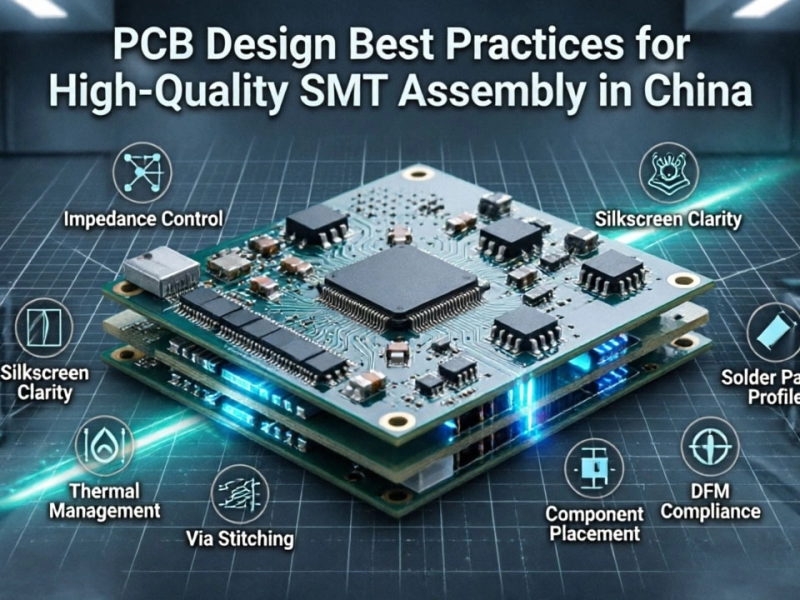
PCB Design Best Practices for High-Quality SMT Assembly in ChinaJune/05/2026
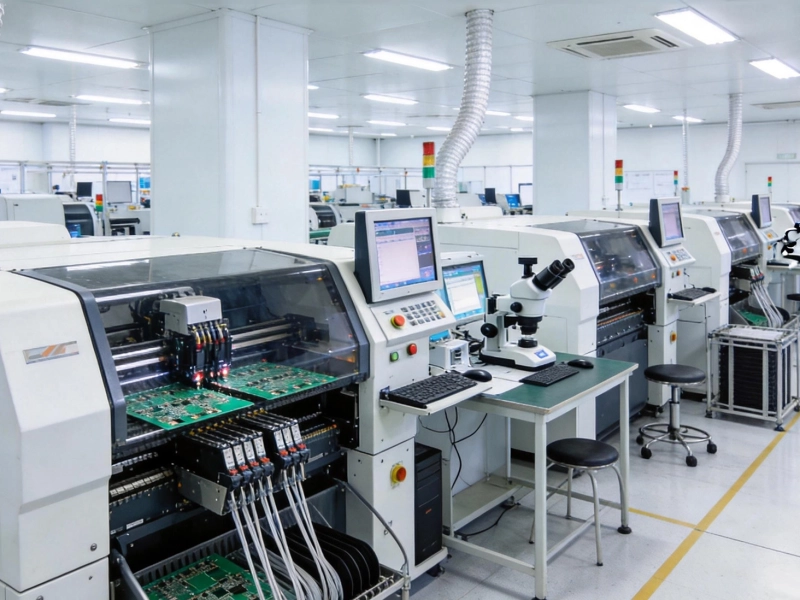
The Complete Process WalkthroughMay/29/2026
The Pros and Cons of SMT and THT in China's Electronics Manufacturing LandscapeJune/25/2026
Why Medical Device Manufacturers Choose China for SMT PCB Assembly ApplicationsJuly/21/2026
Optimizing PCB Design for Chinese SMT ManufacturersJuly/02/2026
Driving Innovation in Consumer Electronics with SMT PCB Assembly China ApplicationsSeptember/07/2026