
In the lightning-fast world of electronics product development, the ability to move quickly from design to functional prototype can make or break your competitive position. Whether you're racing to demonstrate a proof of concept to investors, responding to an urgent customer requirement, or simply trying to accelerate your development cycle, the speed of your manufacturing partner directly impacts your time-to-market. This reality has driven growing interest in quick-turn Smt Pcb Assembly services—particularly those capable of delivering completed assemblies in as little as 24 hours.
China has established itself as the global leader in rapid Electronics Manufacturing, with numerous facilities offering expedited Smt Assembly services that can transform your design files into fully populated circuit boards within a single day. Understanding how to access these capabilities effectively, and what trade-offs might be involved, empowers you to make strategic decisions that accelerate your product development while maintaining the quality standards your applications demand.
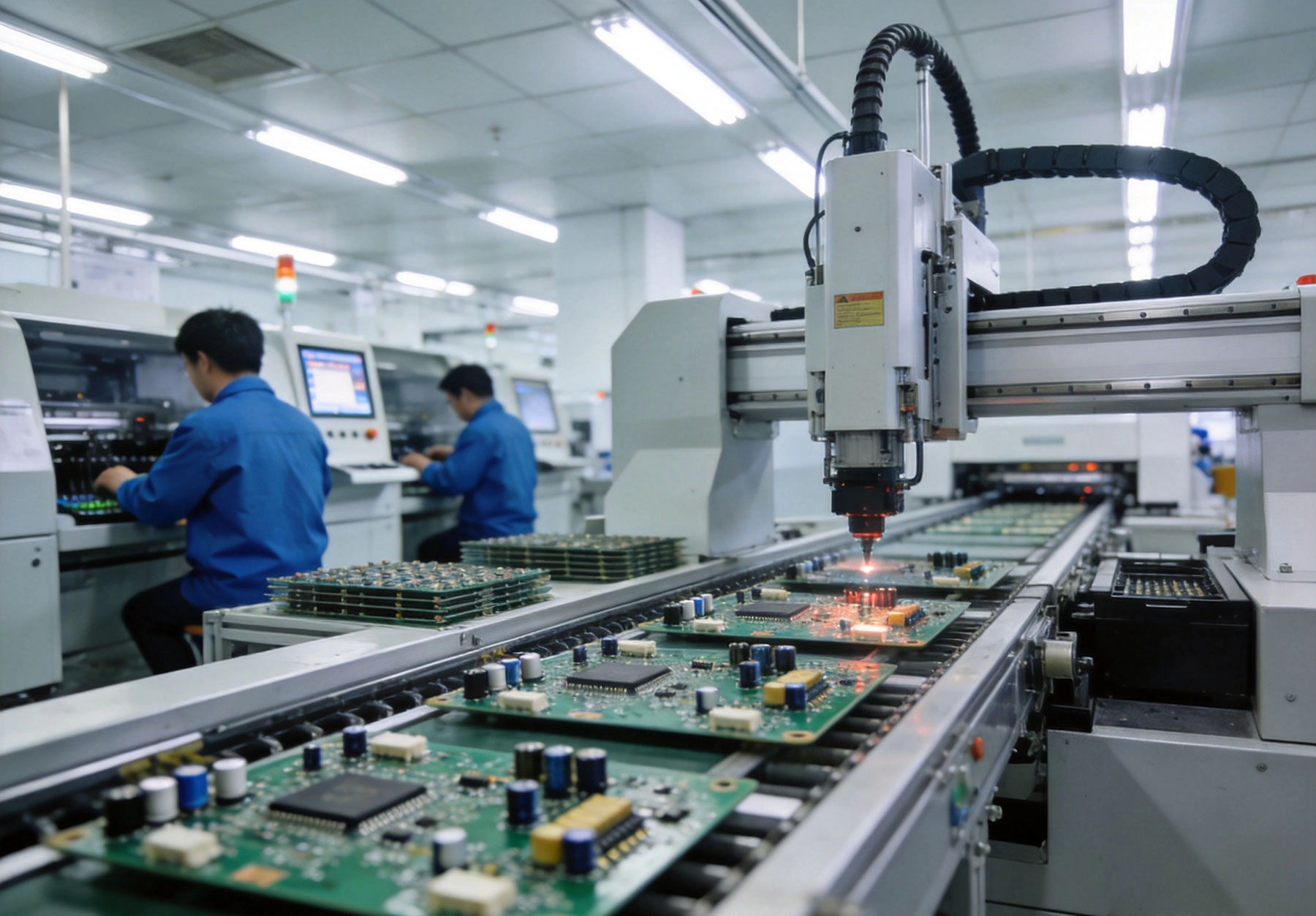
Quick-turn Smt Pcb Assembly refers to accelerated manufacturing services that compress traditional production timelines from weeks down to hours or days. While standard PCB assembly typically involves lead times of five to fifteen business days, quick-turn services prioritize your order through dedicated production slots, parallel processing, and streamlined workflows that eliminate unnecessary delays.
The 24-hour quick-turn represents the extreme end of this acceleration spectrum. Achieving this timeline requires flawless execution across multiple simultaneous processes: PCB fabrication, Component Procurement, solder paste application, Component Placement, Reflow Soldering, inspection, and testing. Any disruption in any single step can cascade into missed deadlines, which is why not all manufacturers successfully deliver on aggressive turnaround promises.
When you engage a Quick-turn Smt service from China, you're tapping into manufacturing infrastructure specifically designed for speed. These facilities maintain dedicated expedited production lines, pre-positioned component inventories, and streamlined quality processes that enable rapid throughput without sacrificing the inspection rigor that ensures reliable outcomes.
Delivering 24-hour Smt Assembly requires sophisticated synchronization across multiple technological domains. Understanding these capabilities helps you evaluate whether a potential manufacturing partner genuinely possesses the infrastructure to deliver on aggressive timelines.
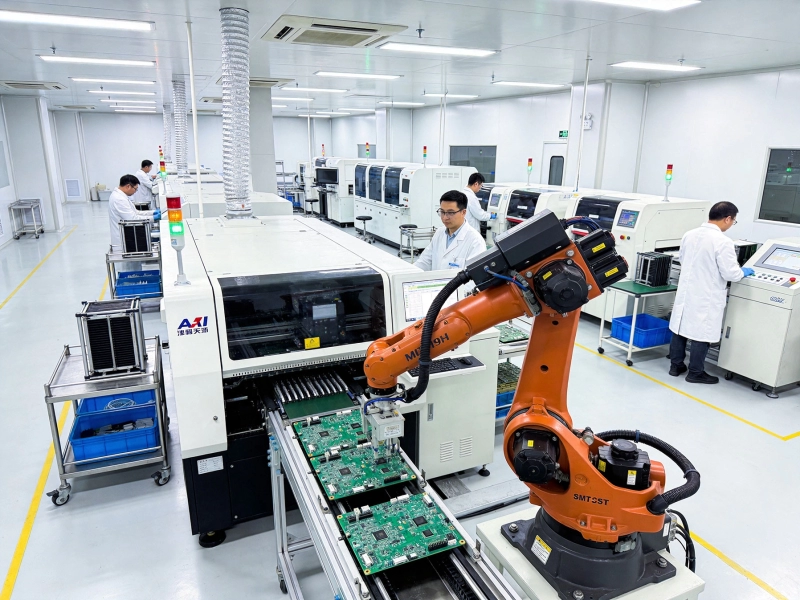
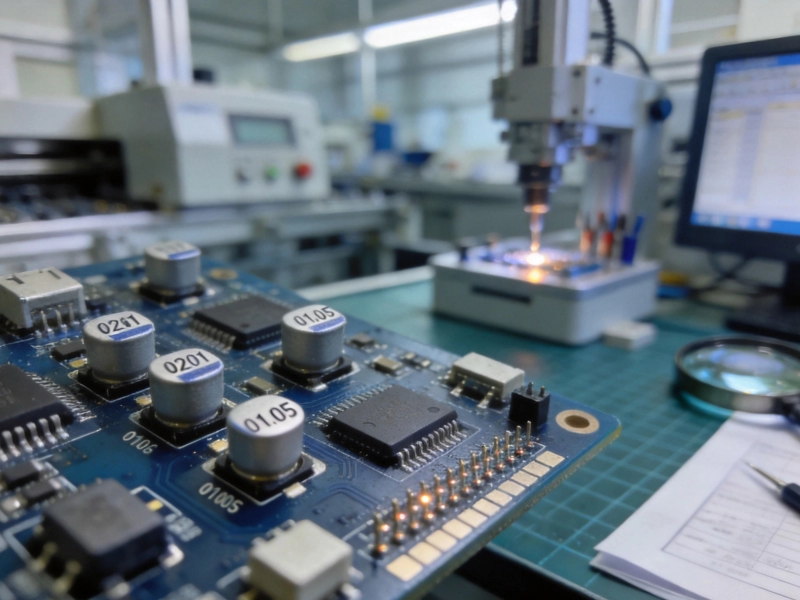
Modern SMT assembly lines rely on automated placement systems capable of positioning thousands of components per hour with micron-level precision. Leading quick-turn facilities deploy advanced chip shooters and multi-function placement machines that handle everything from tiny 01005 passive components to large BGA and QFN packages.
Placement speed matters, but placement accuracy determines whether the accelerated timeline produces functional assemblies. The best equipment combines high throughput with sophisticated vision systems that verify component positioning in real-time, catching placement errors before they become defects that require rework.
Solder Paste Printing establishes the foundation for reliable SMT joints. Modern facilities employ automated stencil printing systems with precision-controlled squeegee pressure, stencil alignment, and paste deposition volume. For quick-turn services, these systems must achieve consistent paste release across the entire substrate without the extended setup optimization time that traditional production allows.
Some facilities supplement stencil printing with jetting technology that deposits precise solder volumes without physical stencils, enabling faster changeovers and greater flexibility for mixed-technology assemblies.
Reflow ovens must precisely control heating rates, soak times, and cooling profiles to achieve reliable solder joints without thermal stress damage to components or substrates. Quick-turn facilities maintain optimized thermal profiles for common board configurations, enabling faster cycle times while preserving solder joint integrity.
Advanced reflow systems feature multiple heating and cooling zones that enable fine-tuned temperature control, while integrated monitoring systems verify that each board experiences the intended thermal profile throughout processing.
When manufacturers advertise 24-hour turnaround, clarity about what this timeline encompasses prevents misunderstandings that can derail your project schedule. The term can describe several different service levels, and understanding these distinctions helps you set appropriate expectations.
Some services offering rapid turnaround actually mean 24-hour PCB fabrication—the bare board manufacturing alone. In this scenario, the assembly of components onto the fabricated boards occurs separately, typically requiring additional days. If you need complete PCBA (printed circuit board assembly), ensure you understand whether the advertised timeline covers the full process or only the board fabrication stage.
True 24-hour PCBA turnaround means the complete process—board fabrication, Component Procurement, Solder Paste Printing, Component Placement, Reflow Soldering, inspection, and testing—finishes within 24 hours of design file submission. Achieving this requires that all components be immediately available, all design files be complete and production-ready, and the manufacturing facility have sufficient dedicated capacity to process your order without waiting in queue behind other jobs.
Some manufacturers offer "same-day" service where the manufacturing completes within business hours, while others measure 24 hours from file receipt through any time boundary. Clarify the precise cutoff times, business hour definitions, and how weekends or holidays affect your timeline. Geographic considerations also matter—the time zone difference between your location and China affects when files can be submitted and when completed assemblies ship.
Not every order qualifies for expedited turnaround. Manufacturers offering quick-turn services typically impose specific requirements that ensure orders can be processed within the compressed timeline. Understanding these requirements before you engage a service prevents delays caused by disqualification.
24-hour assembly demands that your design files be flawless from the start. This means complete Gerber files including all copper layers, solder mask, silkscreen, and paste layers; accurate drill files with plated and non-plated through-hole specifications; and clear assembly drawings that resolve any ambiguities in component orientation or special handling requirements.
Design files containing errors, missing layers, or unclear specifications require communication cycles that consume precious timeline hours. Many quick-turn services include complimentary Design For Manufacturability (Dfm) review, but completing this review and resolving identified issues within the same 24-hour window becomes challenging for complex designs.
The fastest assembly timelines require immediately available components. Manufacturers with extensive component libraries can pull most common parts from inventory, while designs requiring exotic or hard-to-source components face procurement delays that extend beyond the 24-hour window.
When submitting quick-turn orders, confirm component availability upfront. Some services allow you to specify preferred alternatives for components that might face availability constraints, enabling faster substitutions if your primary choices aren't immediately accessible.
24-hour service typically applies to designs within standard capability ranges. High-density Interconnect (HDI) designs, advanced fine-pitch components, or complex multi-layer boards with blind and buried vias may exceed the expedited timeline or require additional processing steps that aren't compatible with the fastest service levels.
Board size also factors into qualification. Standard quick-turn services typically accommodate boards up to a certain dimension, with larger boards potentially requiring longer processing times due to equipment constraints or handling requirements.
Speed has a price. Understanding the cost structure of quick-turn services enables informed decisions about when accelerated timelines justify the premium pricing.
24-hour turnaround typically commands significant premiums over standard lead time pricing. These premiums reflect the dedicated capacity allocation, accelerated component sourcing, and compressed workflow processing that enable expedited delivery. Depending on the manufacturer and service level, quick-turn surcharges may range from 50% to 300% above standard pricing.
However, the total cost comparison requires context. When development delays cost you market opportunities, investor demonstrations, or customer relationships, the premium for rapid assembly often represents excellent return on investment compared to the cost of lost momentum.
Certain scenarios justify quick-turn premiums:
For routine production or less time-sensitive development phases, the premium pricing may not align with project value. Standard lead times often provide sufficient speed while delivering better economics.
Quality-focused quick-turn services can actually reduce total project costs by avoiding the hidden expenses associated with slow-turn manufacturing. When you factor in inventory carrying costs from longer lead times, expedited shipping for delayed projects, and the engineering time consumed managing extended production cycles, quick-turn services sometimes present better overall economics despite higher unit costs.
China's manufacturing ecosystem includes numerous facilities claiming rapid turnaround capabilities, but significant capability variations exist. Due diligence helps identify partners who reliably deliver on expedited promises.
Examine the physical capabilities that enable rapid turnaround:
Beyond equipment, evaluate the process maturity that enables reliable fast execution:
Reputation and track record provide critical signal:
Even with capable manufacturing partners, design factors significantly influence quick-turn feasibility and success. Optimizing your designs for rapid manufacturing increases the likelihood of meeting compressed timelines.
Before submitting files for quick-turn assembly, have your design reviewed by manufacturing engineers who can identify potential issues. This review should address component footprint compatibility with assembly equipment, solder paste requirements for component types, thermal considerations during reflow processing, and test point accessibility for verification procedures.
Many quick-turn services include Dfm review as a standard offering. Taking advantage of this review before manufacturing begins can identify issues that would otherwise cause delays when problems surface during production.
Component selection directly impacts quick-turn feasibility:
Complete, accurate files prevent delays:
Manufacturing speed only matters if logistics deliver completed assemblies to you efficiently. Planning logistics from the beginning of your quick-turn engagement prevents delays that could undermine the benefit of accelerated manufacturing.
For 24-hour or expedited service, shipping logistics require careful planning:
Working with manufacturers in China means navigating significant time zone differences:
Even with reliable manufacturing partners, building contingency time into your project schedules provides insurance against unexpected issues:
Speed should never compromise the quality standards your products require. Understanding how quick-turn services maintain quality within compressed timelines helps you select partners who deliver both speed and reliability.
Modern inspection technologies enable quality verification without excessive time investment:
Understanding what quality checks can be streamlined versus what must remain rigorous:
Quick-turn Smt Assembly serves diverse industry needs where speed provides competitive advantage:
The iterative nature of electronics development benefits enormously from rapid assembly. Each design iteration can be fabricated, assembled, and tested within days rather than weeks, enabling faster design refinement and reducing overall development timelines.
Medical device development often involves extensive testing and regulatory requirements that extend timelines. Quick-turn assembly enables faster validation cycles, allowing medical device companies to compress development schedules while ensuring rigorous quality standards are maintained.
Industrial equipment and Internet of Things (IoT) applications frequently require rapid deployment to respond to operational needs or market opportunities. Quick-turn services enable equipment manufacturers to deploy new capabilities faster and respond more rapidly to customer requirements.
Academic research and educational programs often operate under grant timelines and academic calendars that don't align with standard manufacturing schedules. Quick-turn assembly helps researchers and students complete projects within academic timeframes.
Before committing to a quick-turn partnership, obtain clear answers to these critical questions:
The ability to move from design concept to functional prototype in 24 hours represents a fundamental shift in what's possible for electronics product development. Quick-turn Smt PCB assembly services from China have democratized access to rapid manufacturing capabilities that were once available only to large corporations with extensive internal resources.
Successfully leveraging these capabilities requires understanding both the opportunities and the requirements for quick-turn success. When your design files are production-ready, your components are available, and your manufacturing partner possesses the infrastructure and process maturity to execute reliably, 24-hour turnaround becomes a practical reality rather than marketing hyperbole.
The competitive implications are significant. Companies that master rapid prototyping can iterate faster, respond more quickly to market feedback, and compress development timelines in ways that translate directly into market advantage. Whether you're a startup racing to demonstrate your concept before investors, an established company responding to competitive threats, or a research team working against grant deadlines, Quick-turn Smt Assembly provides a capability that can fundamentally accelerate your path from idea to product.
Take the time to establish relationships with reliable quick-turn partners before you desperately need them. The trust, communication patterns, and process familiarity that develop through earlier engagements make emergency quick-turn requests more likely to succeed when the stakes are highest. Position yourself to access rapid manufacturing capabilities when you need them, and transform what was once a bottleneck into a competitive strength.

Why Shenzhen is the Global Hub for Quick-turn SMT PCB AssemblySeptember/04/2026
The Benefits of Quick-turn SMT Assembly in China for R&D and PrototypingJuly/09/2026

How to Get Quick-turn SMT PCB Assembly in Just 24 Hours from ChinaMay/29/2026
What to Prepare for a Smooth Quick-turn SMT Assembly Order in ChinaAugust/10/2026
Balancing Speed and Quality in Quick-turn SMT PCB Assembly China ServicesJuly/20/2026

Balancing Speed and Quality in Quick-turn SMT PCB Assembly China ServicesJuly/30/2026
Industrial SMT PCB Assembly in China: Meeting Durability and Reliability StandardsJune/11/2026
Designing for Miniaturization: 0201 and 01005 Components in China SMT AssemblyJuly/26/2026