
When EchoTech Labs—a Boston-based hardware startup developing next-generation IoT temperature sensors—approached us in early 2024, they faced a challenge familiar to countless hardware founders: they had validated their product-market fit with 200 handmade prototypes, attracted seed funding, and now needed to scale to 50,000 units monthly without destroying their margins orproduct quality.
This is the story of how we guided them through that journey, the obstacles we encountered along the way, and the lessons that emerged for any US startup considering manufacturing in China.
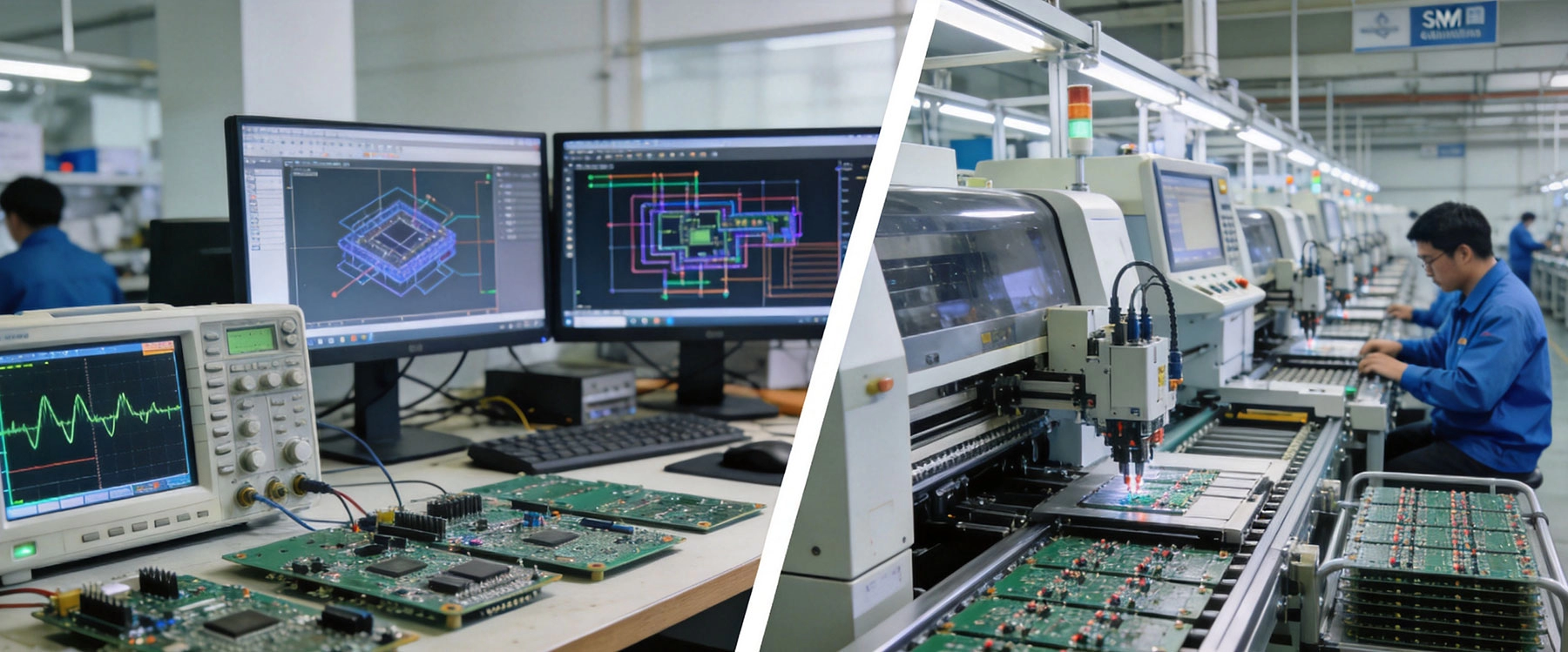
EchoTech had developed a wireless temperature and humidity sensor targeted at commercial refrigeration monitoring—a marketripe for disruption. Their prototype used a custom 4-layer PCB with BGA components, a precision Sensirion sensor, and a sub-GHz wireless module. The design worked beautifully in their Cambridge workshop, achieving accuracy that outperformed incumbent solutions at a fraction of the cost.
But moving from 200 hand-assembled units to 50,000 monthly shipments revealed a brutal reality: prototypes and mass production are fundamentally different disciplines.
Their initial attempts to scale in the US met predictable obstacles. Domestic assembly quotes ranged from $18-$24 per unit—more than double their target bill of materials. Component lead times stretched to 16 weeks. And their engineering team, brilliant at design, lacked the manufacturing relationships and supply chain expertise to navigate the transition smoothly.
Our first step together was a comprehensive Design For Manufacturability (Dfm) review. Too many startups treat Dfm as an afterthought, paying dearly for that decision in production delays and yield losses. We approached EchoTech's schematics with two questions: What will work in mass production? And what needs to change?
The audit surfaced several critical issues:
BGA Component Placement: The original design used a 0.4mm pitch BGA for the main processor. While assembly-competent, this component required expensive X-ray Inspection and carried elevated field failure risk. We recommended switching to a 0.5mm pitch QFN alternative that maintained identical functionality while reducing assembly complexity and cost by approximately $0.80 per board.
Panelization strategy: EchoTech had never considered how their boards would nest in production panels. We redesigned their board outline to fit 20 units per 250mm x 300mm panel, maximizing the efficiency of their production runs and reducing per-unit substrate costs by 18%.
Test point accessibility: Their prototype lacked dedicated test points, forcing technicians to probe solder joints directly during in-circuit testing. We added 12 optimized test points positioned for efficient bed-of-nails testing, reducing their ICT time from 45 seconds to under 12 seconds per board.
Component footprint standardization: Several passive components used non-standard packages that commanded premium pricing and longer lead times. Converting to 0603 resistors and capacitors—industry-standard sizes—opened access to hundreds of pre-qualified component sources and reduced material costs by 22%.
These changes required two weeks of engineering work and delayed their production start by 18 days. That investment, though painful in the moment, saved them an estimated $180,000 annually in reduced material and assembly costs.
With a production-ready design in hand, we turned to the more complex challenge: securing a reliable supply chain for 50,000 units monthly.
The component landscape for EchoTech's sensor presented specific challenges. The Sensirion humidity sensor, while technically superior, carried a 14-week lead time from European distribution. Our team leveraged our Shenzhen-based procurement network to identify authorized inventory in Asian distribution channels, securing 6-month buffer stock that eliminated their supply gap entirely.
For the wireless module, we worked directly with the manufacturer's regional office in Hong Kong to establish a vendor-managed inventory (VMI) arrangement. EchoTech committed to fixed monthly volumes, and in exchange, the supplier agreed to maintain 8 weeks of safety stock at their Hong Kong warehouse—reducing lead times from 12 weeks to 5 days while actually lowering per-unit pricing through the volume commitment.
Passive components presented fewer challenges. The 0603 standardization we recommended opened access to Chinese component manufacturers who could supply identical-specification parts at 35-40% lower cost than their European alternatives. We qualified three suppliers for each passive type, ensuring no single-source risks while maintaining pricing leverage through competition.
By the time we shipped their first production run, EchoTech's component costs had dropped 28% compared to their prototype bill of materials—not because we found cheaper parts, but because we built a supply chain designed for scale from the beginning.
Selecting the right manufacturing partner proved crucial to EchoTech's success. We evaluated five Smt Assembly factories in the Shenzhen area, ultimately recommending a mid-sized EMS provider with 8 SMT lines, established Automotive Quality systems, and experience with similar IoT sensor products.
The selection criteria went beyond price. We prioritized partners with documented ISO 9001 and Iatf 16949 certifications, in-house Aoi and X-ray Inspection capabilities, and—most importantly—engineering staff willing to engage proactively during production startup. The cheapest quote rarely produces the best outcomes when manufacturing complex electronics.
The production startup period stretched over six weeks, longer than EchoTech had hoped but shorter than industry averages for new product introductions. Key activities during this phase included:
First Article Inspection: We supervised complete inspection of the first 500 units, documenting every deviation from design specifications. This exercise identified a Solder Paste Printing issue causing 3% of boards to exhibit marginal joint quality—a problem that would have manifested as field failures within 6 months without correction.
Process Parameter Optimization: Working with the factory's process engineers, we fine-tuned reflow oven profiles, paste printing pressure settings, and pick-and-place feeder configurations. The goal was maximizing first-pass yield while maintaining acceptable defect rates.
Test System Development: EchoTech's functional test requirements demanded custom test firmware and fixtures. We coordinated development between their engineering team and the factory's test engineers, ensuring seamless handoff between assembly and verification stages.
Quality Documentation: We established complete quality documentation including inspection procedures, defect classification standards, and outgoing quality acceptance criteria. These documents became the shared language between EchoTech and their manufacturing partner, preventing miscommunication as production scaled.
First-pass yield on the initial production runs stabilized at 94.2%—respectable for a new product introduction, though below the 97%+ we target for mature products. Within three production cycles, yield had climbed to 96.8% as the factory team gained experience with EchoTech's specific board characteristics.
With startup complete, we guided EchoTech through a carefully planned production ramp. Volume scaling in Electronics Manufacturing isn't simply "build more boards"—it requires synchronized escalation across component supply, assembly capacity, testing throughput, and logistics.
Components presented the first constraint. The 28% cost reduction we achieved through supply chain optimization required qualifying multiple suppliers for each component type. As monthly volumes climbed from 5,000 to 20,000 to 50,000 units, we monitored individual supplier capacity limits and proactively qualified backup sources before constraints became critical.
Assembly capacity planning required similar attention. EchoTech's chosen factory ran eight SMT lines serving multiple customers. Ensuring their slot in the production schedule meant establishing clear monthly volume commitments and maintaining open communication about EchoTech's growth trajectory. We structured their manufacturing agreement with guaranteed capacity clauses that protected their supply even during peak demand periods.
Testing throughput emerged as an unexpected bottleneck during the ramp. Their functional test requirements—verifying wireless transmission, sensor accuracy, and battery management—demanded 45 seconds of test time per unit. At 50,000 monthly units, that translated to 625 test hours monthly, requiring dedicated test equipment and personnel. We worked with the factory to install parallel test stations and optimize test firmware, ultimately reducing per-unit test time to 28 seconds.
Logistics evolved from ad-hoc shipments to structured container programs. Initial runs shipped via air freight to meet market demand while ocean freight infrastructure was established. By month four, EchoTech had transitioned to monthly sea containers from Shenzhen to Los Angeles, reducing their per-unit freight cost by 68%.
Eight months after production launch, EchoTech's manufacturing operation had transformed from a scrappy startup scaling challenge into a professionally managed supply chain delivering consistent results.
Cost performance exceeded initial projections. Per-unit landed cost—components, assembly, testing, and freight to their US warehouse—came in at $7.42, compared to their original business plan projection of $9.10. That $1.68 per-unit savings, applied to 50,000 monthly shipments, represented $84,000 in monthly cost reduction and over $1 million annually.
Quality metrics told an equally encouraging story. Field failure rate through the first six months of shipments stabilized at 0.3%—below industry average for IoT sensor products and dramatically better than the 1-2% failure rates we typically see in first-year production. Customer returns remained minimal, and EchoTech's Net Promoter Score for hardware quality improved month-over-month.
Supply chain resilience proved its worth when a Japanese resin supplier experienced production difficulties in Q3, threatening component availability across the industry. EchoTech's multiple-qualified supplier strategy and buffer stock position meant they experienced zero production impact while competitors scrambled for alternatives.
Most importantly, EchoTech's founders could focus on what they did best—developing next-generation sensor technology and building customer relationships—while their manufacturing operation ran reliably in the background.
The EchoTech journey illustrates principles that apply broadly to any US startup contemplating manufacturing in China:
The two weeks and 18-day delay we spent on DFM optimization saved EchoTech hundreds of thousands of dollars and months of production headaches. Every design change made before production costs a fraction of the same change after you've built 10,000 units. Prioritize manufacturability review as an engineering milestone, not an afterthought.
Startup teams naturally focus on immediate component needs. Professional Supply Chain Management requires thinking three, six, and twelve months ahead. Qualifying multiple suppliers, establishing buffer stocks, and negotiating capacity commitments during low-volume phases pays enormous dividends as volumes grow.
Price matters, but it's rarely the primary determinant of manufacturing success. Partner with factories whose capabilities match your product complexity, whose quality systems meet your standards, and whose communication practices keep you informed. The 10-15% cost premium for a better partner often returns 10x that amount in reduced failures, faster issue resolution, and smoother scaling.
Miscommunication about quality standards—acceptable defect types, inspection criteria, test requirements—creates expensive friction in overseas manufacturing. Invest time upfront in detailed documentation and mutual understanding. The cost of that investment is trivial compared to the cost of quality disputes on a running production line.
Too many startups treat shipping as an afterthought. In reality, logistics infrastructure—the mix of air versus ocean freight, warehouse locations, customs clearance procedures—significantly affects both cost and delivery reliability. Design your logistics strategy before you need it, not after you've accumulated inventory that needs to move.
Beyond the metrics and processes, manufacturing in China as a US startup involves navigating genuine emotional challenges that rarely appear in business case analyses.
There's the anxiety of trusting critical product quality to partners you've met only a handful of times. The frustration of communication delays across time zones and language barriers. The stress of watching your runway measured in months while production issues consume engineering bandwidth.
EchoTech's founders experienced all of these. What made the difference was establishing trust through transparency. Weekly video calls with factory engineering teams. Shared dashboards showing real-time production metrics. Direct access to quality inspection data and defect analysis reports. This transparency didn't eliminate the challenges, but it transformed anxiety into informed decision-making.
The best manufacturing partnerships feel less like vendor relationships and more like team membership. EchoTech's factory became an extension of their operation—a partner genuinely invested in the product's success because their reputation depended on it too.
As of this writing, EchoTech has shipped over 350,000 units through their Chinese manufacturing operation. They're preparing to launch a second product—a more sophisticated environmental monitor using similar core technologies—leveraging the supply chain infrastructure and factory relationships they built with the first product.
That second product's journey from prototype to mass production will take half the time and cost half the engineering effort of the first. The investments they made in DFM processes, supplier relationships, quality documentation, and factory partnerships compound across product generations.
Hardware startups often worry that manufacturing in China means losing control over their product. EchoTech's experience demonstrates the opposite: done right, overseas manufacturing provides access to capabilities, capacity, and cost structures that enable hardware startups to compete effectively against established players.
The path from prototype to mass production is never simple. It requires investment, patience, and genuine partnership. But for US startups willing to make that investment, the rewards—in cost structure, quality, and competitive positioning—can transform a promising technology into a scalable business.
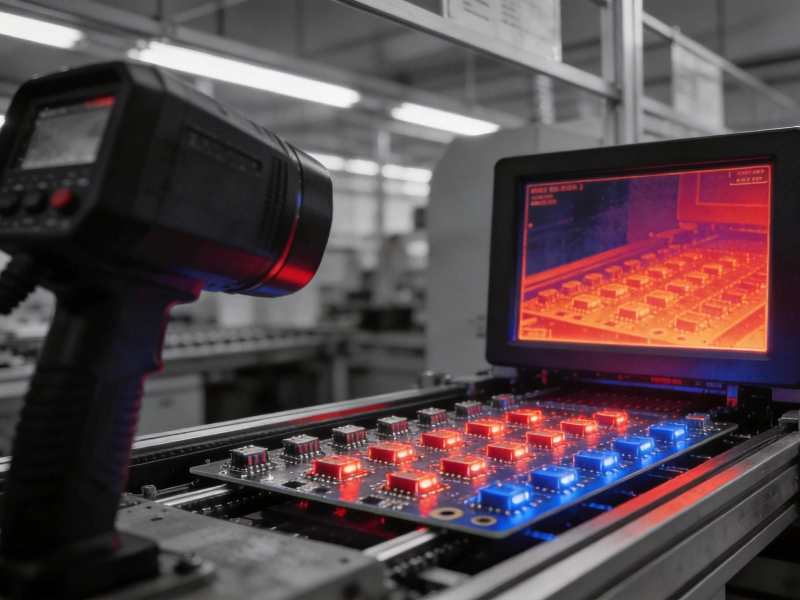
Solving Thermal Issues in LED SMT PCB Assembly: A Real-World China Factory ExampleJuly/28/2026
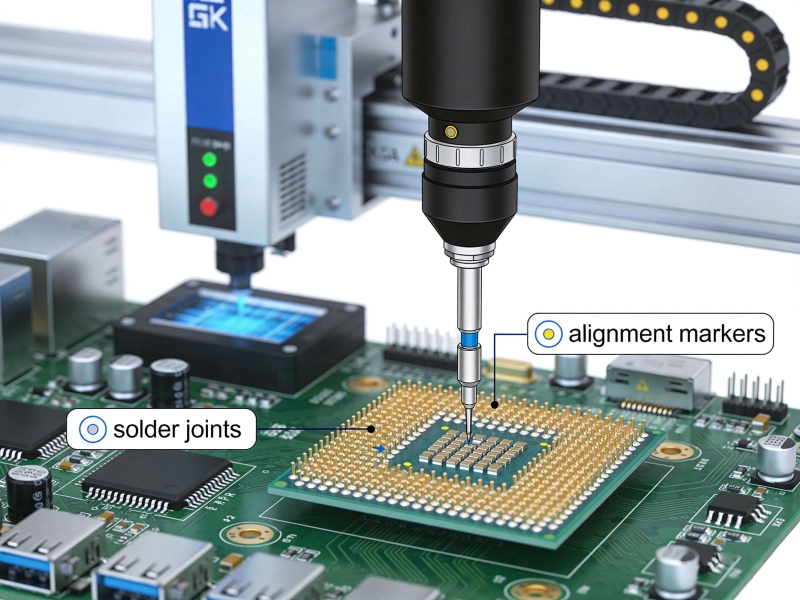
Overcoming BGA Challenges in a Complex SMT PCB Assembly China ProjectJune/09/2026
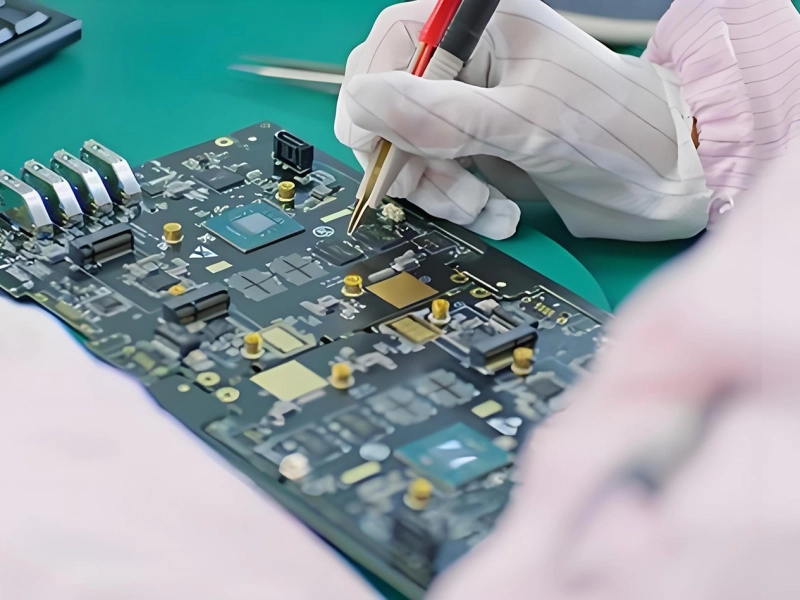
Overcoming BGA Challenges in a Complex SMT PCB Assembly China ProjectMay/29/2026

How Our China Factory Reduced Assembly Time by 30% for a Client's SMT ProjectSeptember/11/2026
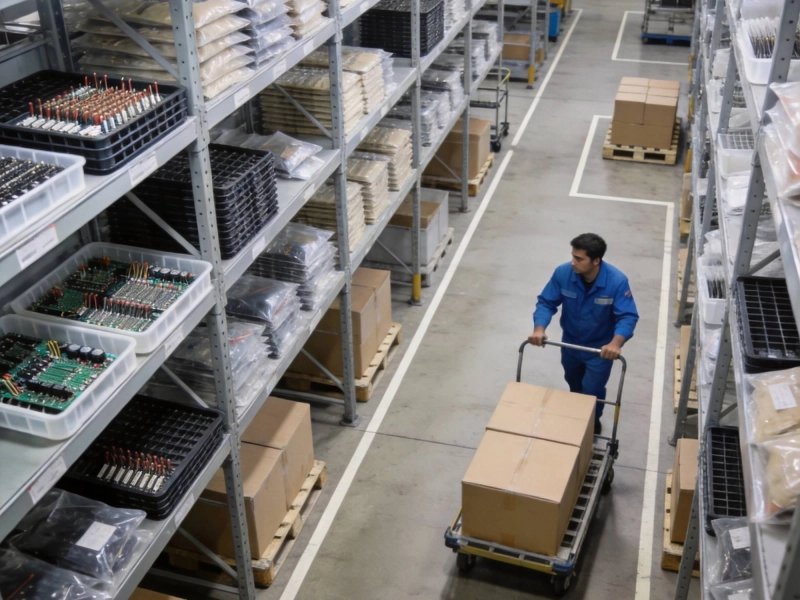
Case Study: Managing Obsolete Components in SMT PCB Assembly China Supply ChainsSeptember/23/2026
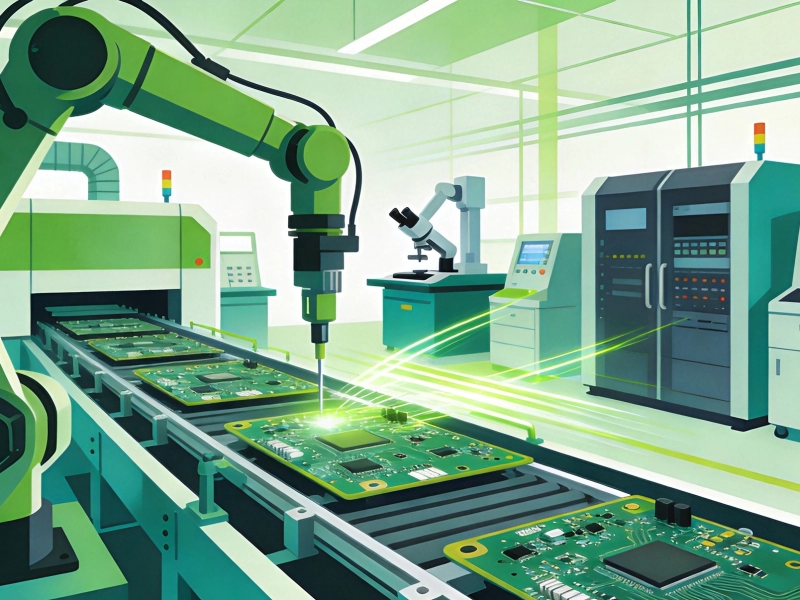
Automotive Electronics Success: High-Reliability SMT PCB Assembly China Case StudyJuly/17/2026
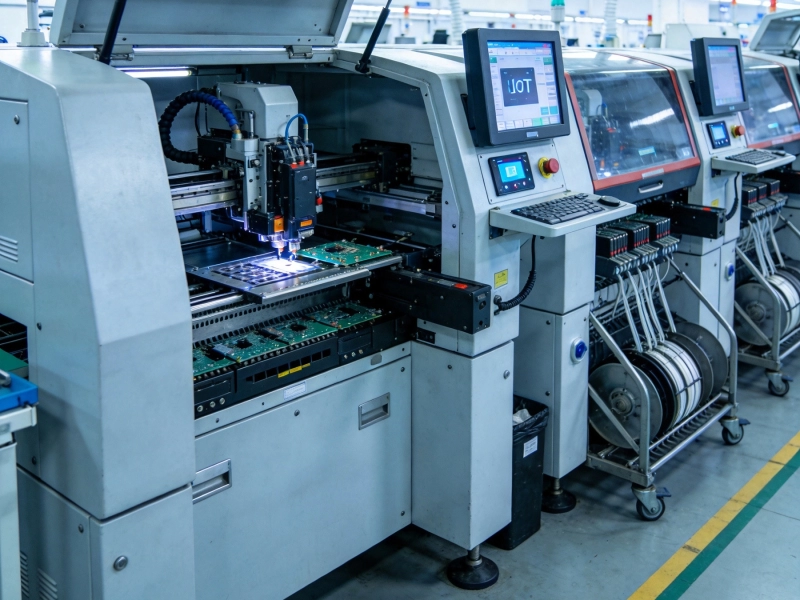
From Concept to Reality: Custom IoT SMT PCB Assembly Project in Shenzhen, ChinaSeptember/02/2026
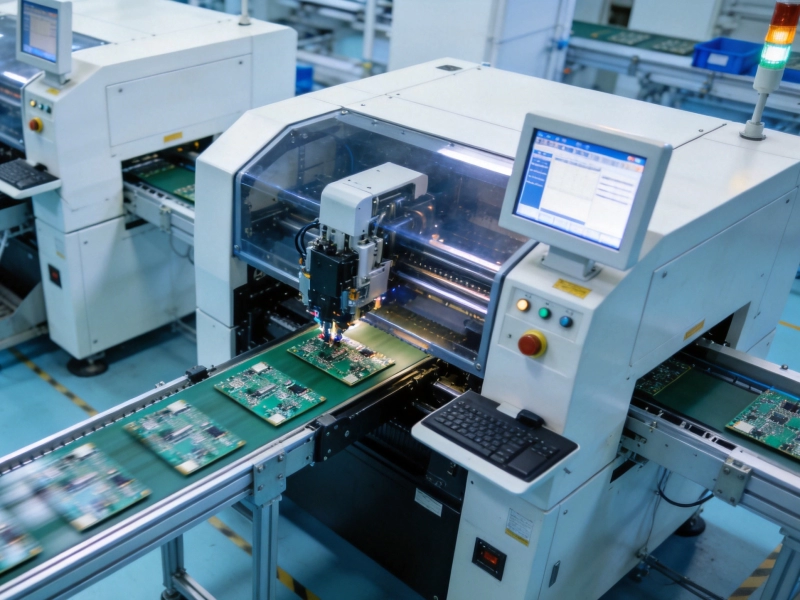
Balancing Speed and Quality in Quick-turn SMT PCB Assembly China ServicesJuly/20/2026