
China remains a global powerhouse for Electronics Manufacturing, boasting highly automated Surface Mount Technology (SMT) lines capable of producing millions of units with incredible precision. However, the high-speed, fully automated nature of these SMT lines means that even minor design flaws can lead to significant yield drops, production delays, and costly rework. To ensure high-quality Smt Assembly, engineers must design with manufacturability in mind.
Here are the essential Pcb Design Best Practices tailored for high-quality Smt Assembly in Chinese manufacturing facilities.
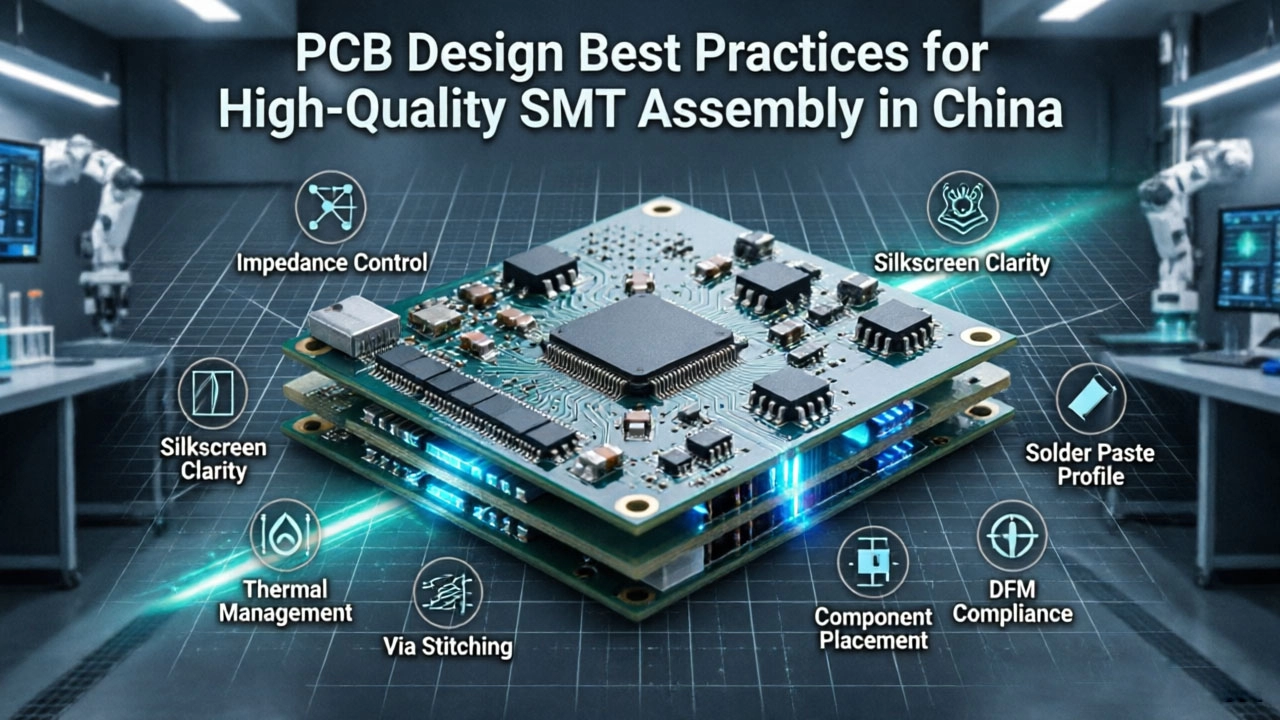
Modern SMT lines rely on high-speed pick-and-place machines. Designing your layout to minimize machine head movements and nozzle changes is crucial for efficiency.
The foundation of a reliable solder joint lies in the pad design. Poorly designed pads are the leading cause of tombstoning, bridging, and cold solder joints.
Chinese SMT factories operate at massive scale, and your board must be designed to integrate seamlessly into their panelized production lines.
Designing for the reflow oven and post-assembly testing is just as important as the electrical routing.
Achieving high-quality SMT assembly in China requires a proactive Design For Manufacturing (DFM) approach. By optimizing component orientation, ensuring precise pad design, utilizing proper panelization, and respecting thermal constraints, you can leverage China's advanced manufacturing capabilities to produce highly reliable, cost-effective electronics at scale.
Designing for Miniaturization: 0201 and 01005 Components in China SMT AssemblyJuly/26/2026
The Impact of PCB Surface Finish on SMT Assembly Soldering Quality in ChinaAugust/06/2026
PCB Design Best Practices for High-Quality SMT Assembly in ChinaMay/29/2026
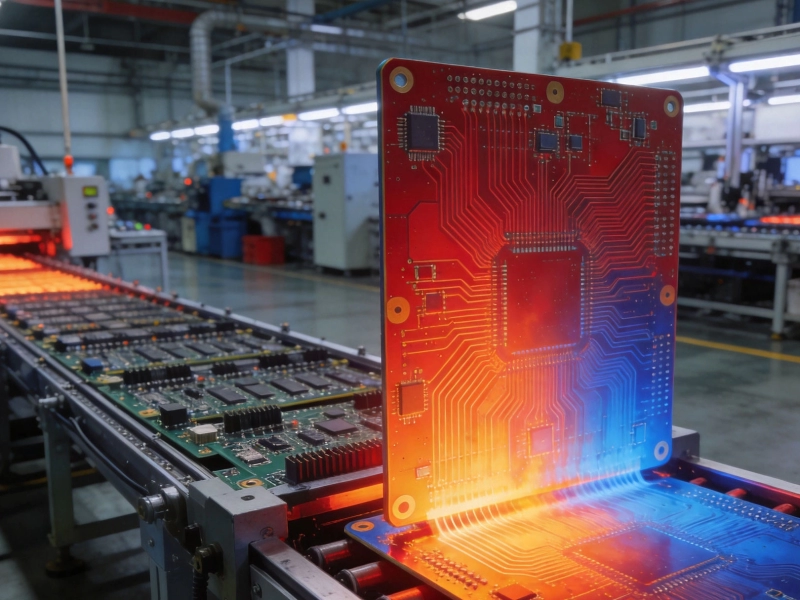
Thermal Management in PCB Design: Preventing Warpage in China's SMT AssemblyJuly/15/2026
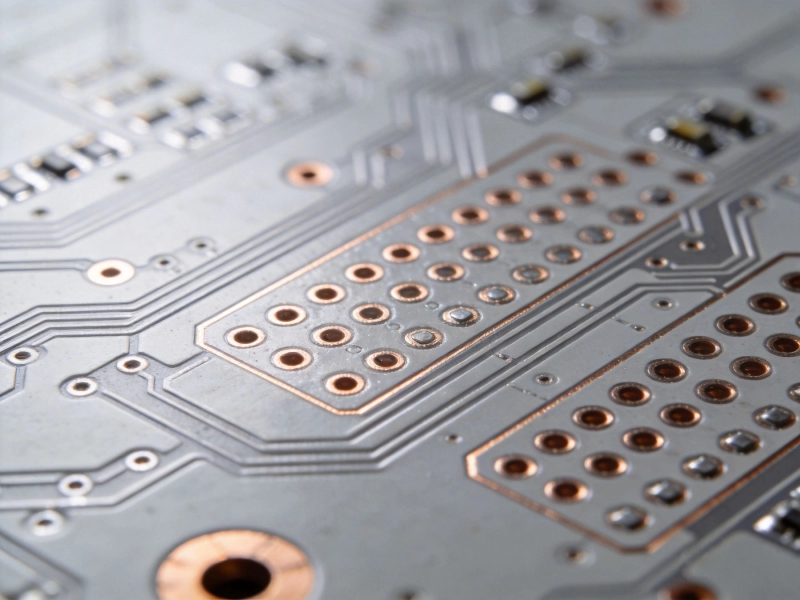
How to Design the Perfect Land Pattern for SMT Components in Chinese FactoriesJune/18/2026
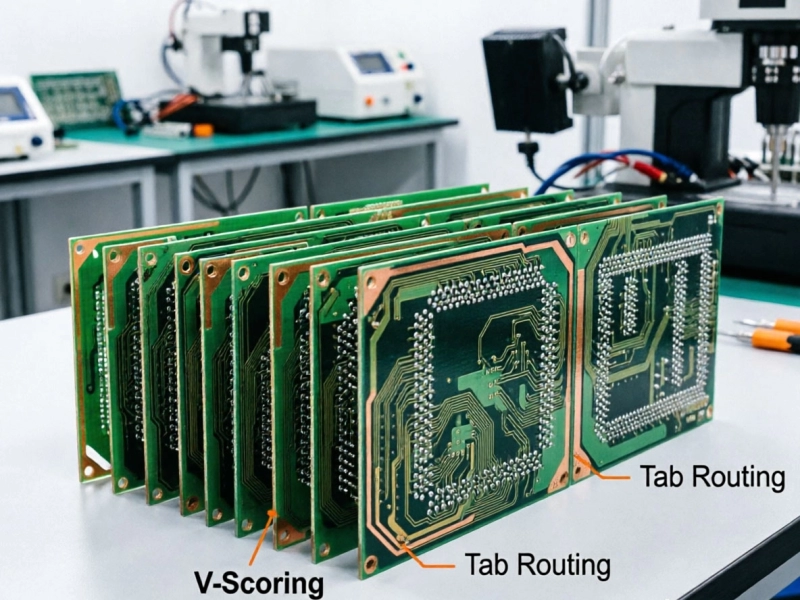
PCB Panelization Guide for SMT Assembly China: V-Scoring vs. Tab RoutingJuly/03/2026

How to Get Quick-turn SMT PCB Assembly in Just 24 Hours from ChinaMay/29/2026
Top Applications of SMT PCB Assembly in China: From Automotive to IoTJune/15/2026