
Choosing the right Smt Vs Tht PCB assembly technology can make or break your electronics project. China's Pcb Manufacturing industry offers both Surface Mount Technology and Through-hole Technology at competitive prices, but understanding their differences is crucial for optimal results. This comprehensive guide compares SMT and THT assembly methods, helping you make an informed decision for your next project.
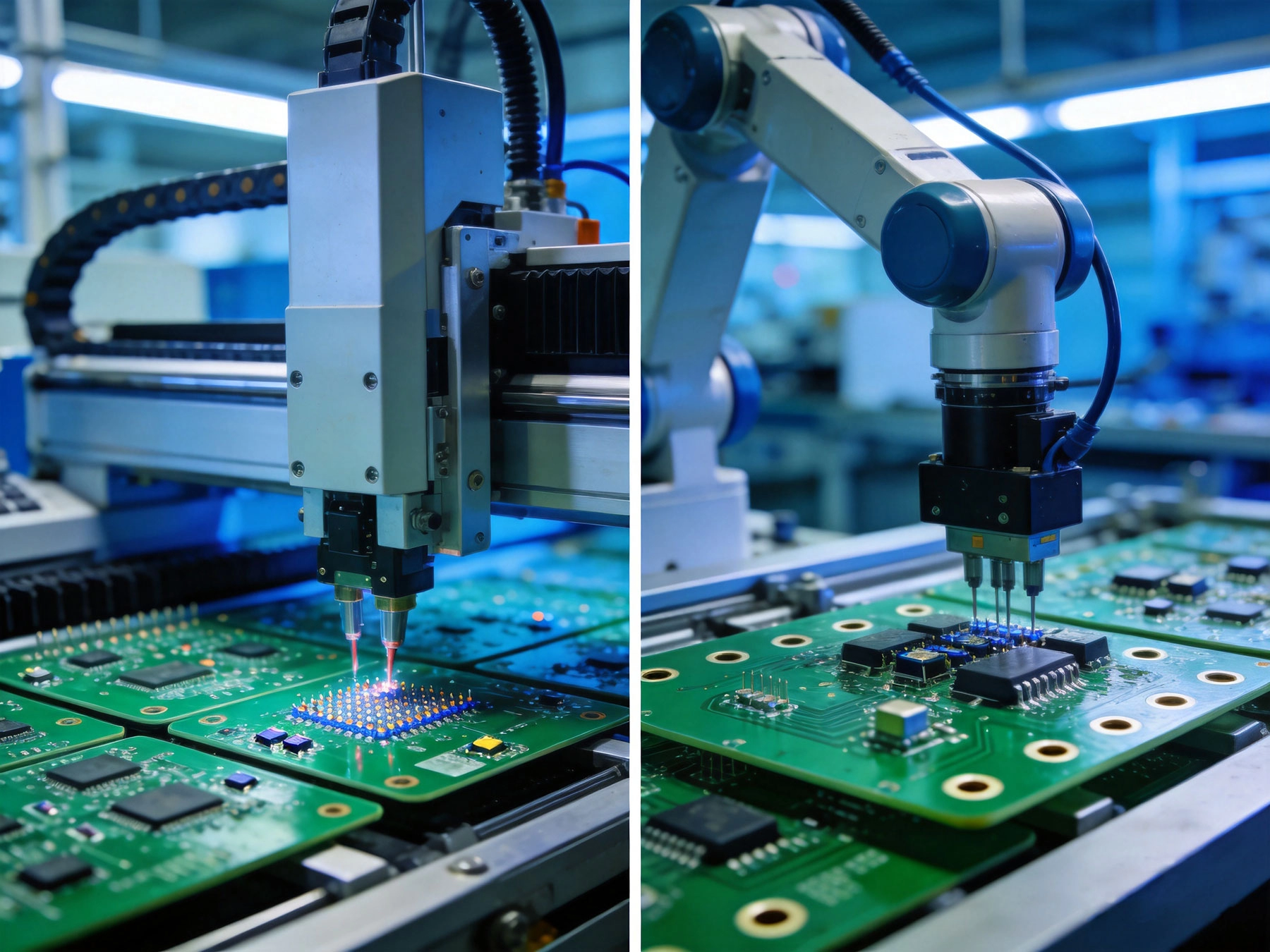
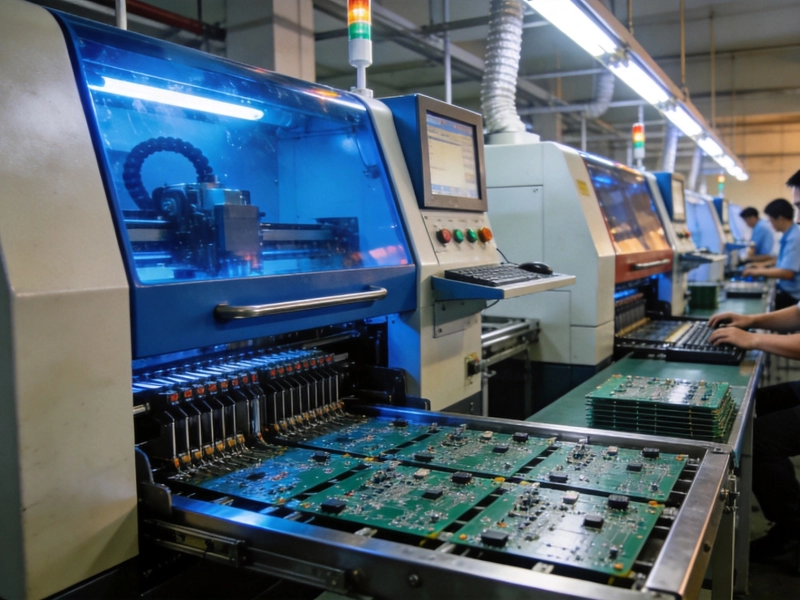
Surface Mount Technology has revolutionized PCB assembly since the 1980s. In Smt Pcb Assembly, electronic components are mounted directly onto the surface of printed circuit boards without requiring holes. This innovative approach has become the dominant assembly method in Chinese manufacturing facilities.
The SMT process involves several precise steps:
SMT technology offers numerous benefits for modern electronics:
Through-hole Technology remains essential despite SMT's dominance. THT assembly involves inserting component leads through drilled holes in the PCB and soldering them on the opposite side. This traditional method excels in specific applications.
Chinese manufacturers follow this workflow for THT PCB assembly:
THT technology provides unique strengths:
When deciding between Surface Mount technology and through-hole technology for your China Pcb Assembly project, consider these critical factors:
SMT components range from 01005 (0.4mm × 0.2mm) to larger QFP packages, enabling extremely compact designs. THT components require more board real estate but offer better accessibility for testing and replacement.
For high-volume production runs exceeding 1,000 units, Smt Assembly in China typically costs 30-50% less than THT due to automation efficiency. However, low-volume prototypes (under 100 units) may find THT more economical when setup costs are considered.
Applications experiencing extreme temperatures, heavy vibration, or physical shock favor THT assembly. Aerospace, automotive, and industrial equipment manufacturers often specify through-hole technology for critical components despite higher costs.
SMT rework demands specialized equipment like hot air stations and microscopes. THT components can be removed and replaced with basic soldering equipment, making field repairs significantly easier.
Many modern PCB designs utilize both technologies strategically. Chinese manufacturers excel at mixed-technology assembly, placing SMT components on one side and THT components on the other. This approach leverages the strengths of each method:
China's PCB assembly industry offers world-class capabilities for both SMT and THT technologies. When selecting a manufacturing partner, evaluate:
The choice between Smt Vs Tht PCB assembly depends entirely on your specific project requirements. Surface Mount technology dominates Consumer Electronics due to cost efficiency and Miniaturization capabilities. Through-hole technology remains indispensable for demanding applications requiring maximum reliability and power handling.
Many successful products combine both approaches, leveraging SMT for density and THT for durability. Partnering with an experienced Chinese PCB assembly manufacturer ensures access to both technologies with expert guidance on optimal implementation.
Ready to start your PCB assembly project? Contact our team for a free consultation and quote. We'll analyze your design requirements and recommend the ideal assembly technology combination for your specific needs.
Yes, mixed-technology assembly is common and often optimal. Most Chinese manufacturers routinely produce boards combining both SMT and THT components to leverage the advantages of each technology.
For prototypes and small batches (under 100 units), THT may be more economical due to lower setup costs. However, for production volumes above 1,000 units, SMT typically offers significant cost savings.
Reserve THT for components subject to mechanical stress, high power, or frequent handling (connectors, switches, power devices). Use SMT for standard ICs, resistors, capacitors, and components not requiring exceptional mechanical strength.
Seek manufacturers certified to ISO 9001 quality management systems and Ipc-a-610 acceptability standards for electronic assemblies. Additional industry-specific certifications ( automotive, medical) may be required depending on your application.
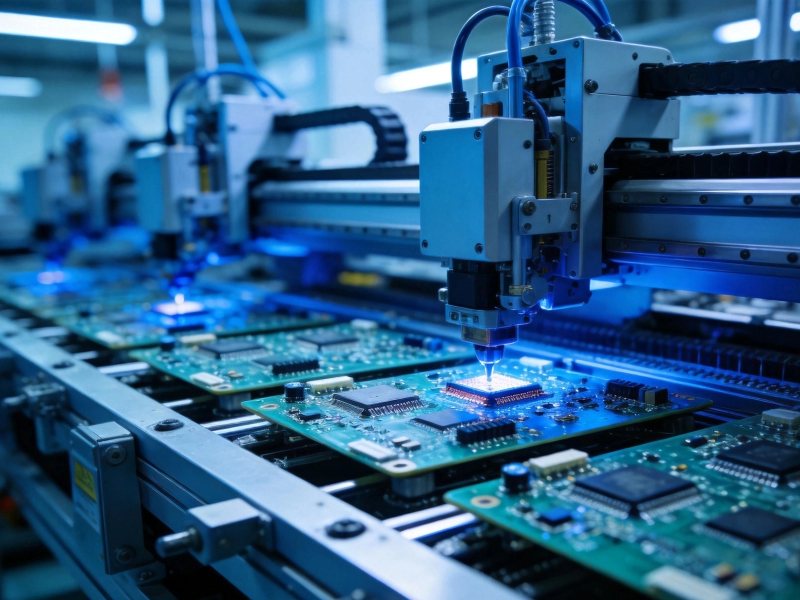
Cost Comparison: SMT vs THT PCB Assembly Services in ChinaJuly/07/2026
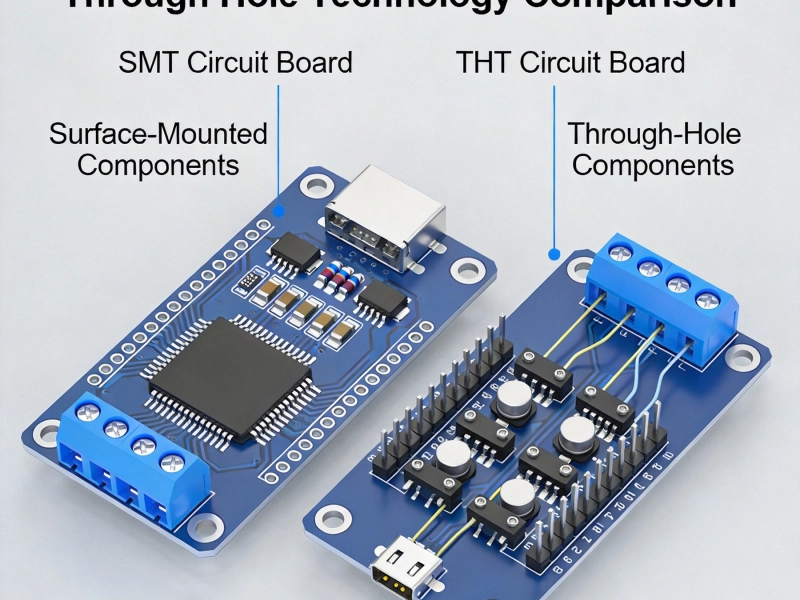
Which Technology is Right for Your Project?May/29/2026
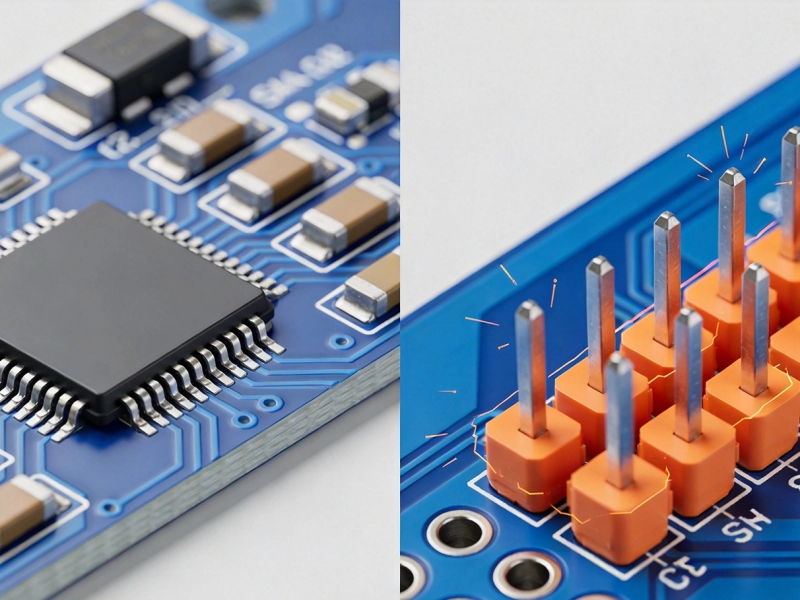
Understanding the Mechanical Strength Differences: SMT vs THT Assembly in ChinaJuly/27/2026
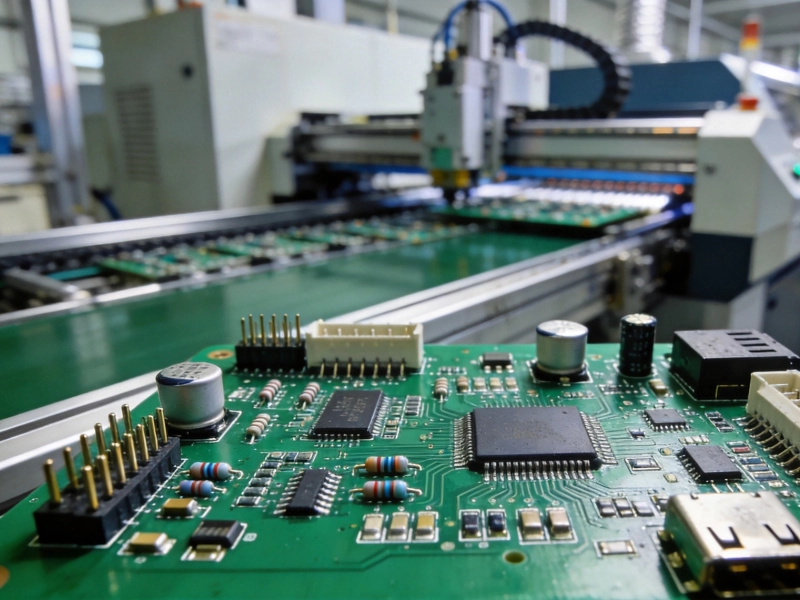
Mixed Assembly Explained: Combining SMT and THT on One PCB in ChinaSeptember/01/2026
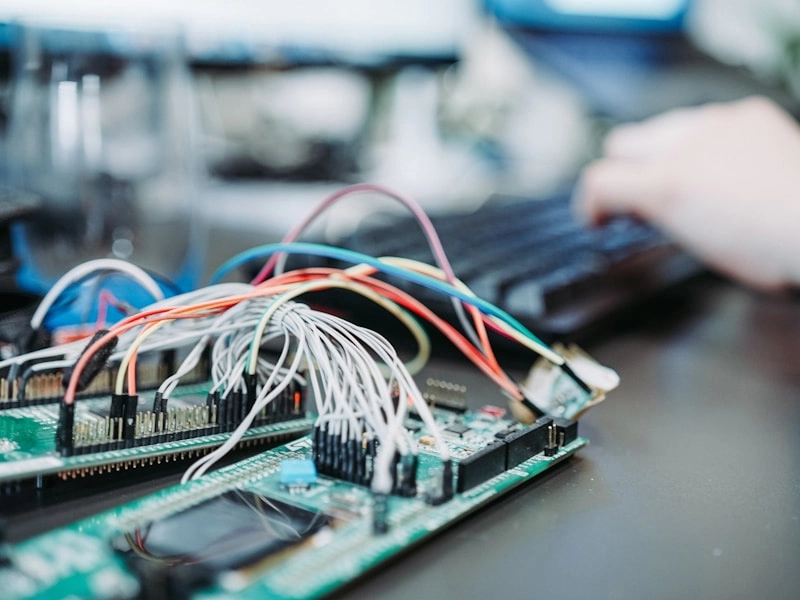
The Pros and Cons of SMT and THT in China's Electronics Manufacturing LandscapeJune/25/2026
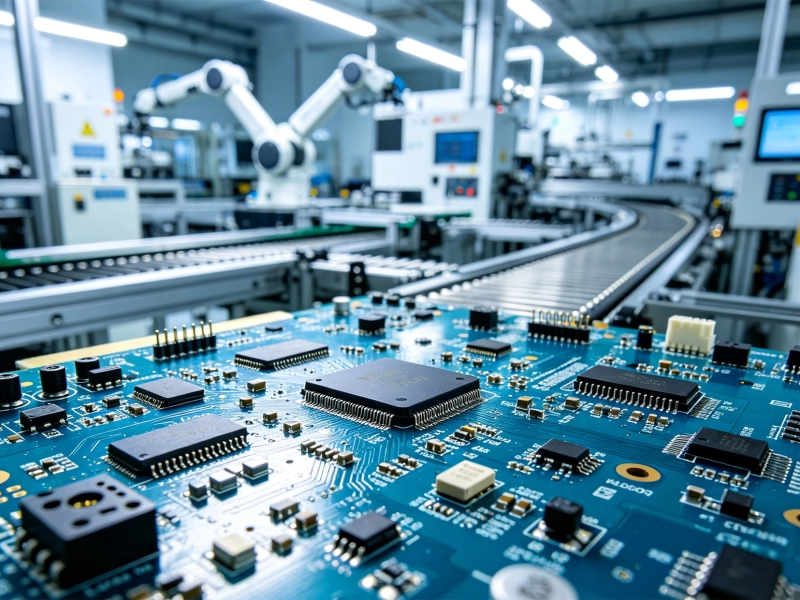
The Evolution of Electronics in China: From THT to High-Density SMT PCB AssemblyAugust/06/2026
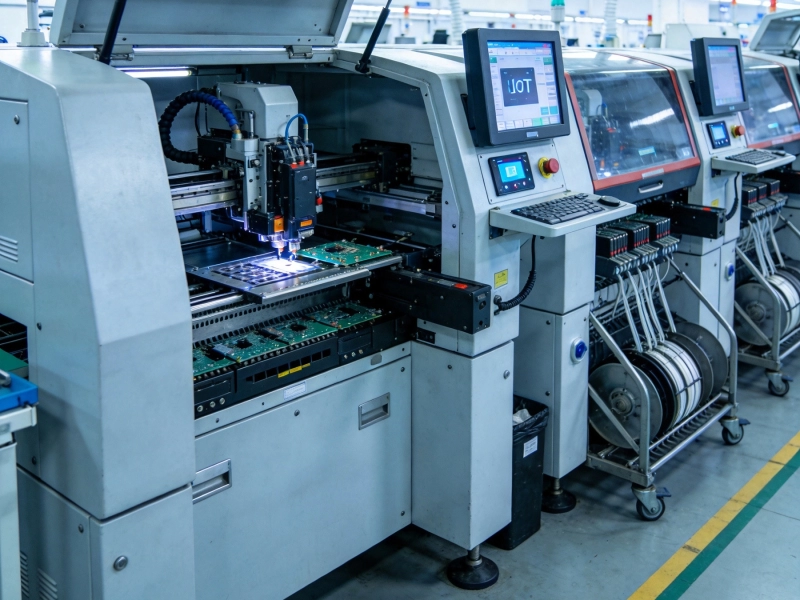
From Concept to Reality: Custom IoT SMT PCB Assembly Project in Shenzhen, ChinaSeptember/02/2026
Wave Soldering vs. Reflow: Navigating the SMT PCB Assembly Process in ChinaAugust/12/2026