Open Nav

When planning Electronics Manufacturing in China, one of the most critical decisions you'll face is choosing between Surface Mount Technology (SMT) and Through-hole Technology (THT) assembly services. Both methods have distinct characteristics, advantages, and cost implications that can significantly impact your project's budget and timeline.
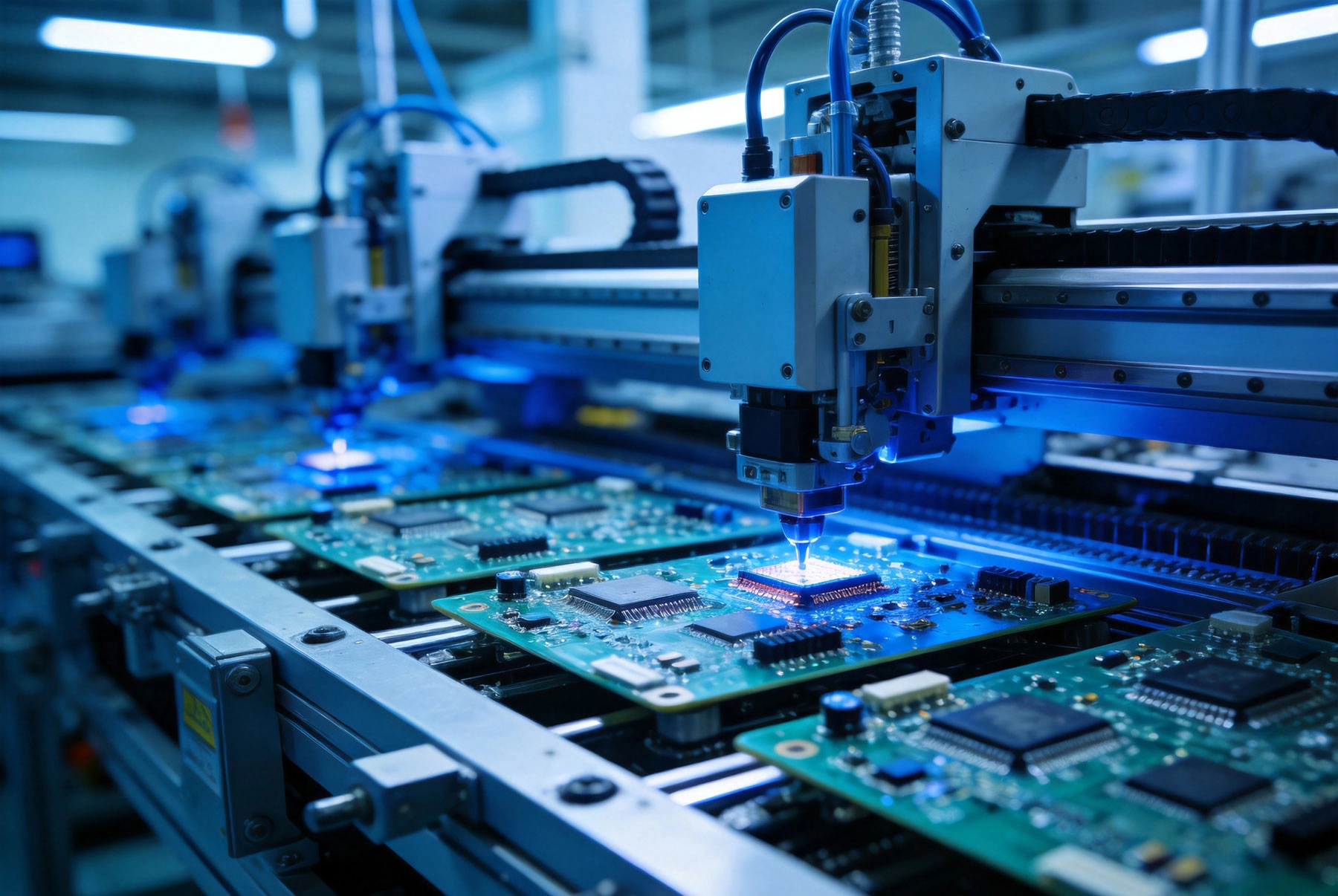
This comprehensive cost comparison breaks down the pricing structures, hidden expenses, and real-world considerations you need to know before partnering with a Chinese Pcb Assembly manufacturer.
Before diving into costs, let's clarify what these two technologies actually mean for your manufacturing process.
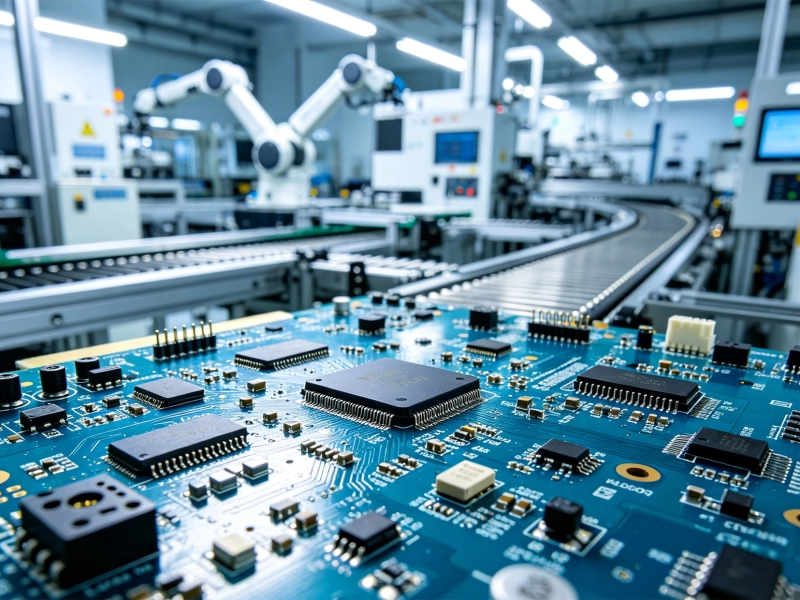
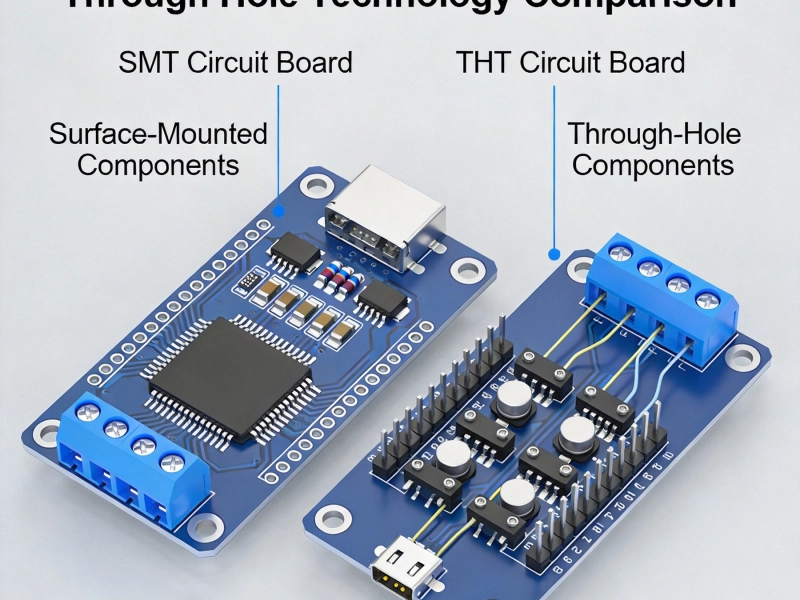
Surface Mount Technology involves placing components directly onto the surface of a PCB. Components have metal terminals or pads that get soldered to the board's surface without requiring holes. This method dominates modern electronics production due to its efficiency and suitability for automated manufacturing.
Through-hole Technology, by contrast, requires components with leads that pass through holes drilled into the PCB. These leads get soldered on both sides of the board, creating strong mechanical bonds. While older as a technology, THT remains essential for applications requiring high reliability and mechanical stress resistance.
One of the most significant differences between SMT and THT lies in their initial setup requirements.
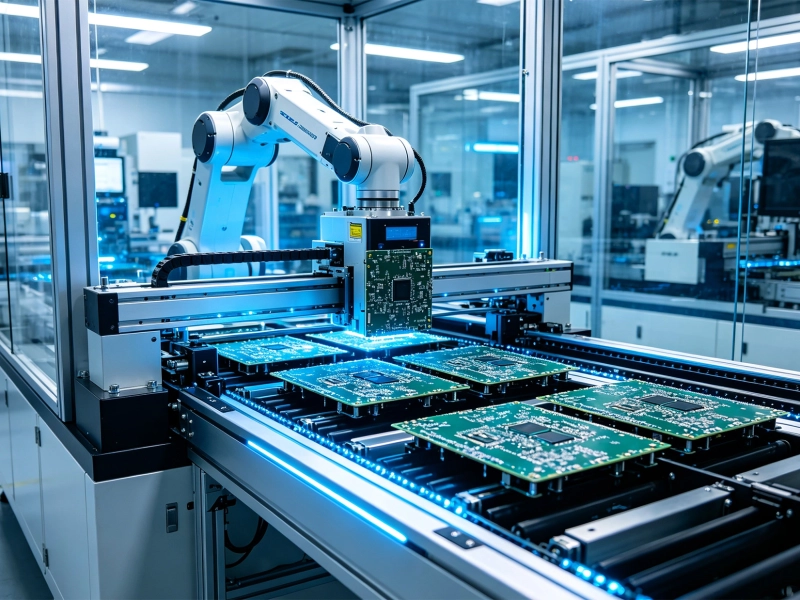
SMT Setup Costs: Smt Assembly requires sophisticated pick-and-place machines, reflow ovens, and precise stencil printing equipment. Chinese manufacturers typically charge setup fees ranging from $50 to $300 per SMT panel, depending on board complexity. However, once configured, SMT production runs become highly economical due to automation.
THT Setup Costs: Through-hole Assembly often involves more manual labor, especially for Wave Soldering or Hand Soldering processes. Setup fees in China generally fall between $30 and $150 per batch, but these figures don't always tell the complete story.
The real question isn't just about setup fees—it's about how quickly you can amortize these costs across your production volume.
When examining per-unit costs, volume becomes the deciding factor.
For high-volume production (over 1,000 units), SMT typically offers 20-40% lower per-unit costs compared to THT. The automated nature of SMT means that once programming is complete, machines can run continuously with minimal intervention, dramatically reducing labor costs per board.
For low-volume production (under 100 units), the cost gap narrows considerably. In some cases, THT may even appear cheaper due to simpler tooling requirements and faster turnaround for small batches. However, this surface-level comparison often misses hidden costs that emerge later in product lifecycle.
SMT components are generally smaller and less expensive than their through-hole equivalents. The Miniaturization trend in electronics means that most modern components are designed primarily for surface mounting, making them more readily available from Chinese suppliers and distributors.
Through-hole components, particularly specialized ones, may carry premium pricing and longer lead times. If your design requires THT components that aren't commonly stocked, expect to pay 10-30% more and wait 2-4 weeks longer for procurement.
Larger boards benefit more from Smt Assembly because the equipment can handle boards up to 510mm x 460mm (standard SMD assembly) without significant cost increases. Tht Assembly on large boards often requires more manual handling, increasing both time and labor costs.
For multi-layer boards with high component density, SMT provides clear advantages. The ability to place components on both sides of the board effectively doubles your available real estate without doubling your costs.
Here's where many buyers get surprised. While SMT boasts lower initial production costs, quality control becomes more complex due to the smaller component sizes and higher placement densities.
Reputable Chinese manufacturers invest heavily in Aoi (Automated Optical Inspection) and X-ray Inspection equipment for SMT assemblies. These costs get passed to customers, typically adding $0.05-$0.15 per board to your total.
THT assemblies, with their larger components and visible solder joints, often allow for easier manual inspection. However, when defects do occur, THT rework tends to be simpler and less expensive—a through-hole component can be desoldered and replaced with basic equipment, while BGA or QFN rework requires specialized tools costing tens of thousands of dollars.
Imagine you're manufacturing 10,000 Bluetooth speaker control boards monthly. Your design uses primarily 0402/0603 resistors and capacitors, plus a few QFP ICs.
With SMT assembly in Shenzhen, you'd typically pay:
The same production using THT would cost:
Savings with SMT: $8,000-$15,000 monthly
Now consider a different scenario: you're building 200 industrial relay control modules that must withstand extreme temperatures and vibration.
SMT approach:
THT approach:
THT saves $500-$800 on this project
Choosing SMT assembly typically delivers better ROI in these situations:
High-Volume Production: Any project expecting to produce more than 500 units monthly should strongly consider SMT. The automation advantages compound with volume, and per-unit savings quickly exceed any setup cost differences.
Space-Constrained Designs: If your product has strict size requirements, SMT's ability to use both board sides and smaller components can reduce your PCB area by 40-60%. This translates directly to lower substrate costs.
High-Speed Applications: SMT components typically offer better electrical performance due to shorter lead lengths and reduced parasitic inductance. While harder to quantify, these benefits can reduce Signal Integrity issues and expensive redesigns later.
Modern Component Availability: The vast majority of new ICs, sensors, and passive components release exclusively in surface-mount packages. Designing for SMT ensures access to the latest technology without facing Component Obsolescence.
Despite SMT's dominance, through-hole technology remains the economically superior choice in specific circumstances:
Mechanical Robustness: Products exposed to physical stress—industrial equipment, automotive under-hood applications, aerospace systems—often require THT's superior mechanical bonding. The cost of field failures, warranty claims, and reputational damage far exceeds any assembly savings.
Prototyping and Iterative Development: During development phases when you expect frequent design changes, THT's simpler rework characteristics reduce iteration costs. Engineers can swap components in minutes rather than scheduling expensive SMT rework sessions.
Low-Volume, High-Mix Production: If you're manufacturing 50 units each of 50 different product variants, SMT's setup requirements become prohibitively expensive. THT's flexibility often wins economically in these scenarios.
Legacy Product Support: Maintaining products already designed for through-hole components makes financial sense. Redesigning for SMT costs engineering time, requires requalification, and introduces unnecessary risk to stable products.
Chinese Pcb Assembly factories structure their pricing based on several factors you can influence:
Commit to Volume: Even preliminary volume commitments of 1,000+ units monthly can unlock 15-25% discounts. Manufacturers value predictable production schedules and are willing to compete on price for reliable partners.
Share Common Footprints: Using standard component packages (0603 instead of 0402, SOIC instead of QFN) reduces equipment programming time and setup costs, which manufacturers often pass back to customers.
Provide Complete Dfm Feedback: Designs that include Design For Manufacturability feedback reduce communication cycles and engineering review time. Manufacturers appreciate—and compensate—customers who make their jobs easier.
Bundle Services:
Purchasing PCB Fabrication, component sourcing, assembly, and testing from one supplier typically saves 10-20% compared to fragmented supply chains. The convenience premium for single-source manufacturing is real but often justified.
True cost comparison requires examining the entire product lifecycle, not just assembly quotes.
Shipping and Logistics: THT assemblies are generally heavier due to larger components and thicker boards. If your products ship internationally, freight costs per unit may run 8-15% higher for THT products.
Inventory Carrying Costs: SMT boards' smaller size means more units fit in the same storage space, reducing warehouse costs. For high-value inventory, this can represent meaningful savings.
Field Failure Rates: Industry data suggests THT assemblies experience fewer solder joint failures in harsh environments. While difficult to predict precisely, expected failure rates should factor into warranty reserve calculations.
Regulatory and Certification Costs: Some safety certifications (UL, CE) may require specific testing protocols for through-hole solder joints versus Surface Mount. Verify whether your certification requirements create cost differentials between technologies.
The Smt Vs Tht cost decision ultimately depends on your specific circumstances. Use this decision framework:
Choose SMT if your production volume exceeds 500 units monthly, your design can accommodate surface-mount components, and your product doesn't face unusual mechanical stress requirements. The cost savings scale favorably with volume, and modern component availability ensures you're using current technology.
Choose THT if you're building fewer than 200 units, your product requires exceptional mechanical reliability, you anticipate frequent design changes during development, or your design depends on through-hole components that aren't available in SMT packages.
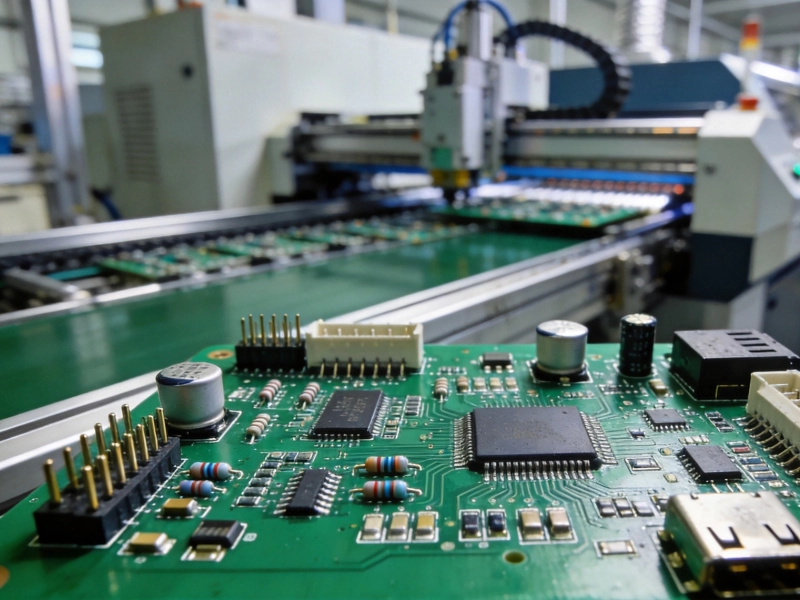
Consider hybrid approaches for optimal economics. Many successful products use surface-mount technology for most components while incorporating through-hole connectors, switches, or stress-bearing elements where they deliver clear value.
Yes, but expect significant costs. Design migration requires engineering time, new tooling, qualification testing, and potentially regulatory re-certification. Budget $5,000-$25,000 and 3-6 months for thorough migration projects.
Most Chinese EMS providers quote mixed boards as SMT assemblies with THT add-ons. Expect THT insertion to add $0.10-$0.50 per component and Wave Soldering to add $0.15-$0.40 per board to your SMT base price.
Request First Article Inspection (FAI) reports, Aoi images, and X-ray Inspection data for BGAs. Many Chinese manufacturers offer in-circuit testing (ICT) and functional testing services that catch defects before shipment. Budget an extra $0.50-$2.00 per board for comprehensive testing.
Standard SMT production typically runs 5-10 business days after Component Procurement. Tht Assembly often completes faster (3-7 days) due to simpler processing. Rush services usually add 30-50% to assembly costs.
For standard components, manufacturer sourcing typically costs 5-15% premium but saves significant logistics complexity. For specialized or high-value components, direct purchasing often makes financial sense if you have established supplier relationships.
Understanding the true cost dynamics between SMT and THT assembly services in China requires looking beyond initial quotes. By carefully evaluating your production volume, product requirements, and long-term business goals, you can select the assembly technology that delivers maximum value for your specific situation.
The most successful Electronics Manufacturing strategies combine clear understanding of these cost factors with flexibility to adapt as products evolve and volumes change. Start with the technology that best fits your current phase, and plan for transition as your business scales.
When sourcing Pcb Assembly from China, international buyers face unique cost considerations that don't apply to domestic manufacturing. Understanding these factors prevents budget surprises and enables more accurate project planning.
Most Chinese manufacturers quote prices in USD or RMB, exposing buyers to currency risk. A 5% RMB appreciation can transform a profitable project into a marginal one. Consider locking exchange rates for long-term contracts or building currency hedging into your pricing models. Many established manufacturers offer USD pricing with favorable terms for committed volumes.
Your country of import significantly affects total landed costs. PCBs and electronic assemblies may face tariffs ranging from 0% to 25% depending on Harmonized System (HS) codes and applicable trade agreements. Factor in customs duties, import VAT, and broker fees when comparing Chinese assembly costs against local alternatives. The true cost advantage of Chinese manufacturing often shrinks considerably after accounting for these expenses.
If your products require CE, UL, FCC, or other certifications, factor in testing fees that may differ between manufacturing locations. Some testing can occur in China through accredited laboratories at 40-60% lower costs than Western testing facilities. However, certain tests require physical samples to reach testing labs, adding shipping costs and lead time regardless of where manufacturing occurs.
While concerns about IP theft in China are often exaggerated in Western media, legitimate risks exist. Protecting your designs costs money—NDA enforcement, secure documentation practices, and component obfuscation strategies all carry expenses. Weigh these costs against the genuine price advantages of Chinese manufacturing. For many products, the math clearly favors offshore assembly despite IP protection overhead.
Cost comparison shouldn't focus solely on immediate production expenses. Think strategically about how your assembly choice affects business agility, supplier relationships, and competitive positioning over a 3-5 year horizon.
Supplier Relationship Depth: Working with the same Chinese manufacturer across multiple product generations builds institutional knowledge that compounds over time. Engineers learn your quality preferences, procurement teams anticipate component needs, and logistics partners optimize shipping routes. This relationship capital often delivers more value than marginal cost differences between SMT and THT.
Technology Roadmap Alignment: Electronics trends strongly favor SMT Miniaturization. New component packages—embedded components, fan-out wafer-level packaging, system-in-package solutions—are exclusively surface-mount technologies. Investing in THT-heavy designs may limit access to these advances or force expensive redesigns when components become obsolete.
Capacity Scaling: SMT lines scale efficiently from hundreds to millions of units with minimal per-unit cost increases. THT capacity scaling faces harder limits due to labor constraints and equipment throughput. If your business plan includes aggressive growth targets, SMT assembly provides better infrastructure for scaling.
Competitive Positioning: In commodity electronics segments, manufacturing cost directly determines margin. SMT's structural cost advantages translate to competitive pricing flexibility that THT-based competitors cannot easily match. If you operate in price-sensitive markets, SMT capability becomes a strategic necessity rather than a technical preference.
The quotes you receive depend heavily on how you structure your RFQ (Request for Quotation). Follow these practices to ensure comparability and accuracy:
Provide complete documentation including Gerber Files, pick-and-place data, bill of materials with manufacturer part numbers, and assembly drawings with tolerance specifications. Incomplete documentation leads to quotation errors that manifest as surprise costs during production.
Specify quality standards explicitly. Terms like "commercial grade" and "industrial grade" mean different things to different manufacturers. Reference Ipc Standards (Ipc-a-610 for assembly, IPC-6012 for PCB Fabrication) to ensure all bidders operate under identical quality frameworks.
Request line-item breakdowns distinguishing setup costs, per-place costs, tooling amortization, testing fees, and material markups. This transparency reveals hidden charges and enables accurate comparison between quotes.
Ask manufacturers to identify potential cost reduction opportunities in your design. Experienced Chinese EMS providers often suggest component substitutions, pad geometry adjustments, or panelization changes that meaningfully reduce production costs. Their design-for-manufacturing expertise often pays fees many times over in saved production costs.
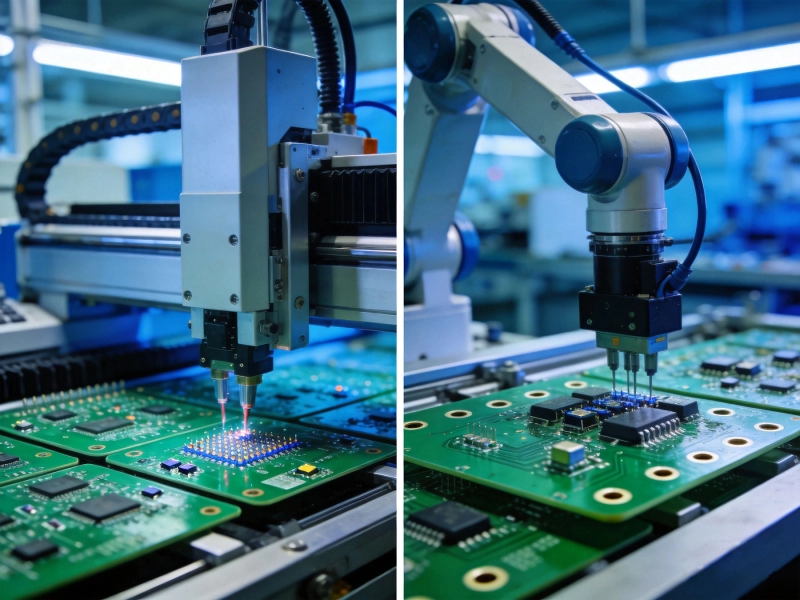
SMT vs THT PCB Assembly in China: Which Technology is Right for Your Project?June/08/2026
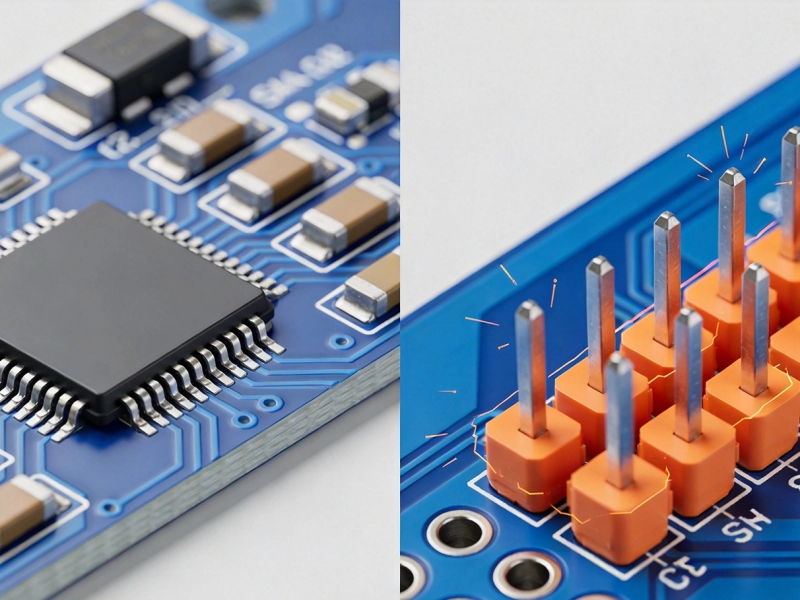
Understanding the Mechanical Strength Differences: SMT vs THT Assembly in ChinaJuly/27/2026
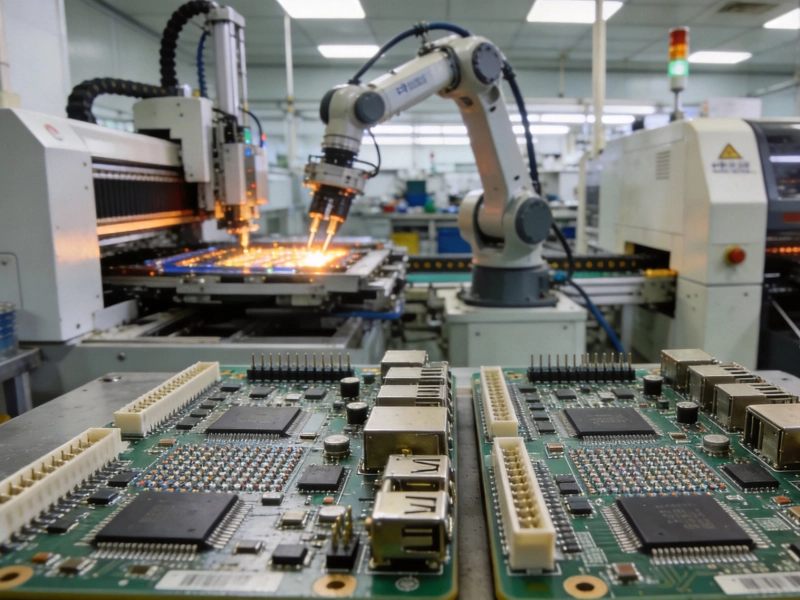
Design Rules Breakdown: Layout Differences for SMT vs THT Assembly in ChinaSeptember/21/2026

The Pros and Cons of SMT and THT in China's Electronics Manufacturing LandscapeJune/25/2026
The Evolution of Electronics in China: From THT to High-Density SMT PCB AssemblyAugust/06/2026
Which Technology is Right for Your Project?May/29/2026
Automation Capabilities: Why SMT Assembly Wins Over THT for Mass Production in ChinaSeptember/10/2026
Mixed Assembly Explained: Combining SMT and THT on One PCB in ChinaSeptember/01/2026