Open Nav

Choosing between Surface Mount Technology (SMT) and Through-hole Technology (THT) for Pcb Assembly in China ain't just a technical decision - it affects cost, performance, reliability, and manufacturing feasibility. SMT dominates modern electronics, but THT still has important roles. Understanding when each technology makes sense helps you make decisions that optimize both product performance and manufacturing efficiency.
This guide compares SMT and Tht Assembly approaches in the context of Chinese manufacturing capabilities, cost structures, and quality considerations. We'll help you understand the practical differences, applications where each shines, and how to choose the right approach for your specific project. Whether you're developing a new product or optimizing an existing design, understanding these technologies helps you make better manufacturing decisions.
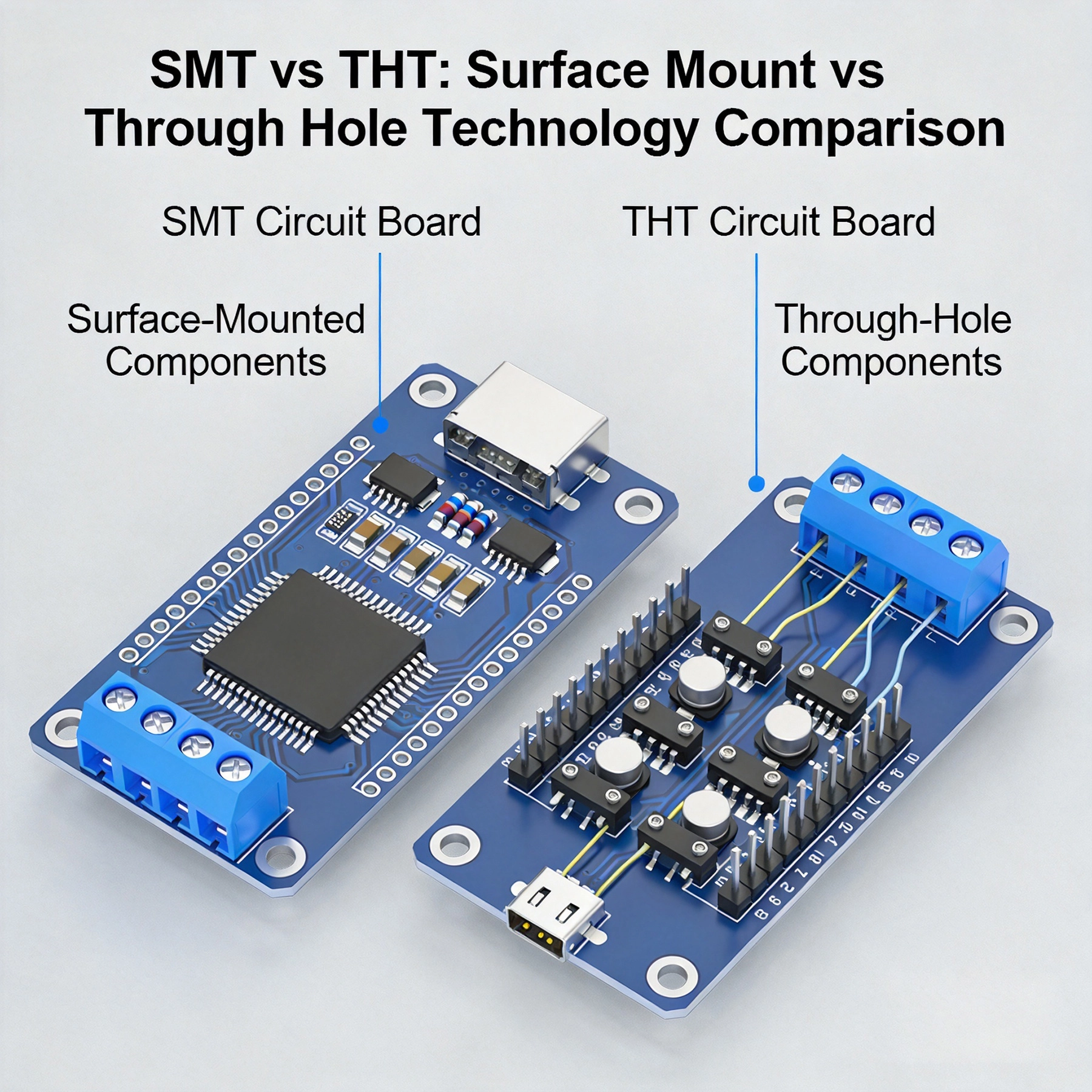
Surface Mount Technology places components directly on PCB surfaces without requiring holes through the board. Components have leads or terminations that solder to pads on the board surface. SMT has become the dominant assembly method for most electronic products.
SMT characteristics:
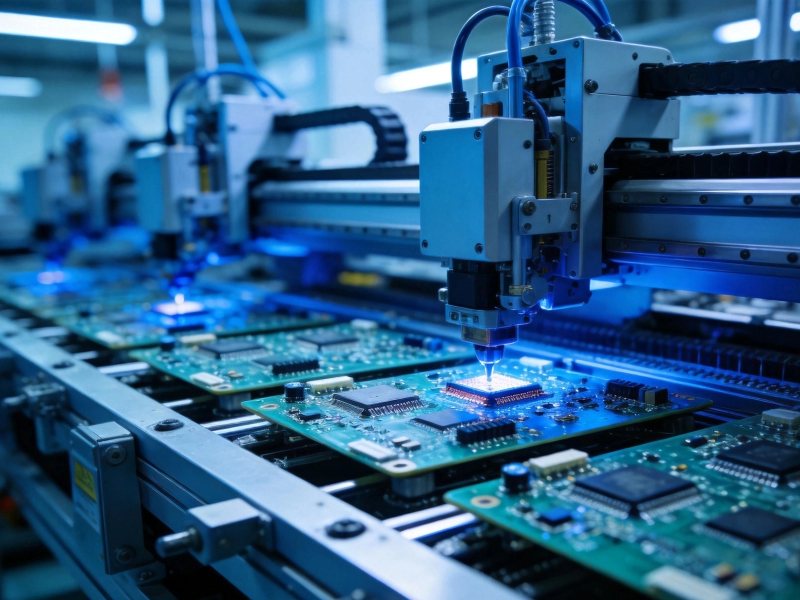
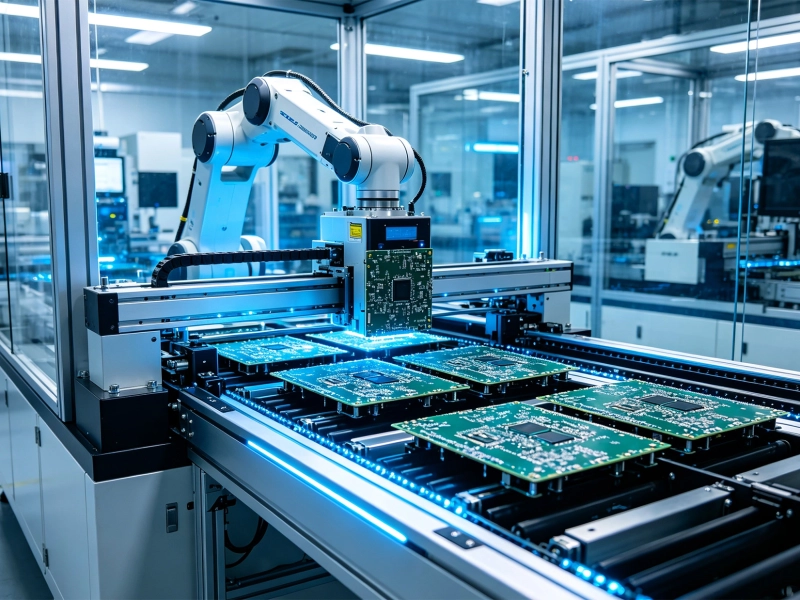
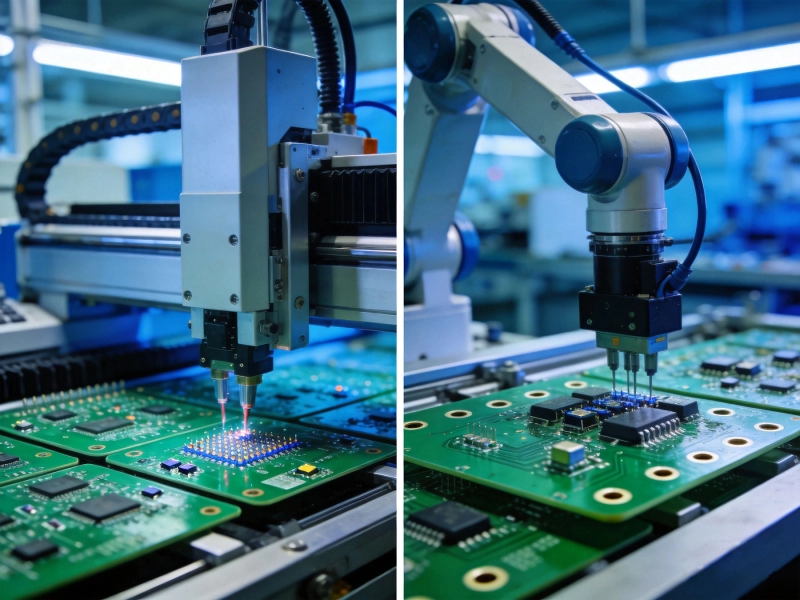
Modern Smt Assembly in China uses highly automated equipment. Pick-and-place machines can place thousands of components per hour with micron-level accuracy. This automation enables high-volume production at consistent quality and low cost.
SMT offers several compelling advantages that have made it the preferred technology for most applications:
Key SMT advantages:
For most modern electronic products, SMT provides significant advantages in size, cost, and performance. This is why SMT dominates Consumer Electronics, communications equipment, and most other product categories.
Despite its advantages, SMT has limitations that make THT necessary or preferable for certain applications:
SMT limitations:
These limitations are why many products use both SMT and THT - SMT for the bulk of components where its advantages matter, THT for connectors and components where mechanical strength is critical.
Through-hole Technology places component leads through holes in the PCB and solders them on the opposite side. This creates mechanical connections through the board that provide significant strength.
THT characteristics:
THT remains important for connectors, Power Components, and applications requiring mechanical strength. While less common than SMT, THT fills critical roles that SMT can't easily address.
THT provides specific advantages that make it irreplaceable for certain applications:
Key THT advantages:
For applications where mechanical durability, high current, or manual rework matter, THT provides advantages that justify its larger size and higher assembly cost.
THT has limitations that make it less suitable for many modern electronic applications:
THT limitations:
These limitations are why THT has become less common for most applications. However, where its advantages are critical, THT remains the right choice despite these limitations.
Cost is a major factor in technology selection. Understanding cost differences helps you make informed decisions.
SMT cost factors:
THT cost factors:
For high-volume production, SMT typically has lower total cost due to automation benefits. For very low volume, THT might have lower total cost despite higher per-component cost because setup costs are lower.
Production volume significantly affects which technology is more cost-effective:
Low volume (under 100 units):
Medium volume (100-1,000 units):
High volume (1,000+ units):
Understanding your volume requirements helps you choose the most cost-effective approach. Many products use SMT for volume production but might use THT during development or for low-volume production runs.
SMT and THT have different electrical performance characteristics that matter for some applications:
Electrical performance differences:
For high-frequency and high-speed digital applications, SMT's electrical advantages make it the preferred choice. For power applications, THT's superior current handling and heat dissipation can be beneficial.
Mechanical considerations often drive THT selection despite SMT's other advantages:
Mechanical performance differences:
For automotive, industrial, aerospace, and military applications where mechanical stress is significant, THT connections for critical interfaces provide reliability that SMT might not match.
Consumer Electronics almost universally use SMT for most components, with THT used selectively:
Consumer Electronics Assembly:
Consumer products prioritize size and cost, making SMT the obvious choice. THT appears where mechanical durability or high power justifies its additional cost and size.
Industrial equipment often uses mixed SMT and Tht Assembly:
Industrial equipment assembly:
Industrial applications balance SMT's compact electronics with THT's durability for interfaces and power handling. This hybrid approach provides the benefits of both technologies.
Automotive Electronics face harsh environments that influence assembly choices:
Automotive assembly considerations:
Automotive Electronics use both technologies strategically. SMT provides compact electronics where environmental exposure is minimal. THT provides mechanical reliability for external interfaces and high-stress locations.
Aerospace and military applications have unique requirements:
Aerospace/military considerations:
These high-reliability applications often use THT extensively for its mechanical advantages, accepting the cost and size trade-offs to achieve required reliability levels.
Many products benefit from using both SMT and THT strategically:
Hybrid assembly scenarios:
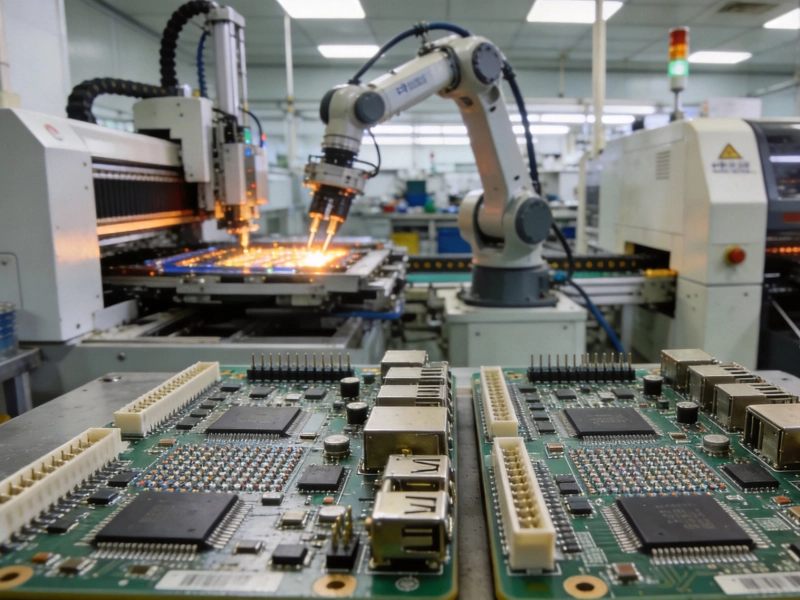
Hybrid assembly requires careful process planning. Typical sequence is Smt Assembly first, followed by THT assembly. This prevents damage to SMT components during Wave Soldering used for THT.
Combining SMT and THT requires specific process considerations:
Mixed Assembly process:
Mixed Assembly adds process complexity but enables designs that leverage both technologies' advantages. Most Chinese assembly facilities have experience with mixed technology assembly and can handle it efficiently.
SMT is the right choice when:
SMT selection criteria:
Most modern electronics projects default to SMT unless specific requirements justify THT. If your project fits multiple of these criteria, SMT is likely your best choice.
THT is the right choice when:
THT selection criteria:
If your application has significant mechanical requirements, involves high-current handling, or targets low-volume production, THT might be the better choice. Many projects use THT selectively even when SMT is primary.
Mixed assembly makes sense when:
Mixed assembly criteria:
Mixed assembly adds complexity but optimizes performance and cost. When both SMT and THT offer compelling benefits for different parts of the design, mixed assembly provides the best overall solution.
Chinese SMT assembly facilities offer world-class capabilities for most applications:
Chinese SMT capabilities:
For SMT assembly, China offers excellent capabilities at competitive prices. Most Chinese facilities can handle complex SMT designs with fine-pitch components and high component density.
Chinese facilities maintain THT capabilities alongside SMT:
Chinese THT capabilities:
While THT represents a smaller portion of most facilities' capacity, they maintain the capability and experience needed for mixed technology assembly.
For new product development, consider these practical recommendations:
Development strategy:
Many products use THT during development for easy modification, then transition to SMT for production when design stabilizes. This approach balances development flexibility with production cost optimization.
Optimize assembly costs through technology selection:
Cost optimization strategy:
Every THT component adds cost compared to SMT. Minimize THT to only where it provides unique value. This cost optimization approach keeps total assembly cost minimized while meeting performance requirements.
Ensure technology choices support required quality and reliability:
Quality strategy:
Quality considerations often justify THT despite its cost and size disadvantages. For applications where failure has serious consequences, investing in THT's mechanical reliability provides value that outweighs its additional cost.
SMT continues advancing, expanding its capabilities:
SMT trends:
These trends make SMT increasingly attractive for applications that previously used THT. As SMT capabilities improve, THT becomes more specialized for applications where its mechanical advantages are essential.
THT remains essential for specific applications:
THT continuing role:
While SMT continues gaining ground, THT maintains its role in specialized applications. Rather than being replaced, THT becomes more focused on applications where its advantages are indispensable.
Choosing between SMT and THT assembly in China requires balancing multiple factors: cost, performance, reliability, and application requirements. SMT dominates modern electronics due to its advantages in size, cost, and performance, but THT remains essential for applications requiring mechanical strength, high current handling, or connector durability.
The key insight is that technology choice should be deliberate rather than default. Understand your specific requirements - production volume, environmental conditions, mechanical stress, and performance needs - and select the technology (or combination of technologies) that optimally addresses those requirements. Don't default to SMT without considering whether THT provides value for your specific application.
Chinese assembly facilities offer world-class capabilities for both SMT and THT, and extensive experience with mixed technology assembly. They can help you evaluate approaches and implement the solution that best meets your requirements. Working with experienced partners helps you navigate technology selection and achieve optimal results.
Modern electronics increasingly use SMT as the primary assembly method with THT used strategically where its unique advantages justify its additional cost and size. This hybrid approach leverages the strengths of both technologies while minimizing their weaknesses. Understanding when each technology makes sense helps you make informed decisions that optimize both product performance and manufacturing efficiency.
Q: Can I combine SMT and THT on the same PCB?
A>Yes, mixed technology assembly is common and practical. Typical sequence is SMT assembly first, followed by THT assembly. Fixtures protect SMT components during wave soldering used for through-hole components. Most Chinese assembly facilities handle mixed assembly efficiently.
Q: Is SMT always cheaper than THT?
A>Not always. SMT has higher initial setup cost but lower per-unit cost at volume. For very low volume, THT might have lower total cost. For high volume, SMT is typically cheaper. Analyze your specific volume and component mix to determine which is more cost-effective.
Q: Can SMT components handle high current applications?
A>Many SMT components handle high current effectively, but there are practical limits. For very high current or applications requiring substantial heat dissipation, THT may provide better performance and reliability. Evaluate component specifications and application requirements when making this decision.
Q: Are THT connectors becoming obsolete?
A>No, THT connectors remain essential for applications requiring high mating cycle durability or strong mechanical connections. While SMT connectors improve and handle many applications, THT connectors maintain their role where mechanical reliability is critical.
Q: How do I decide between SMT and THT for my project?
A>Consider your volume, performance requirements, mechanical stress, and cost targets. If you need compact size and plan high-volume production, SMT is likely best. If you need mechanical durability, high current handling, or low-volume production, THT might be appropriate. Many projects use both technologies strategically.
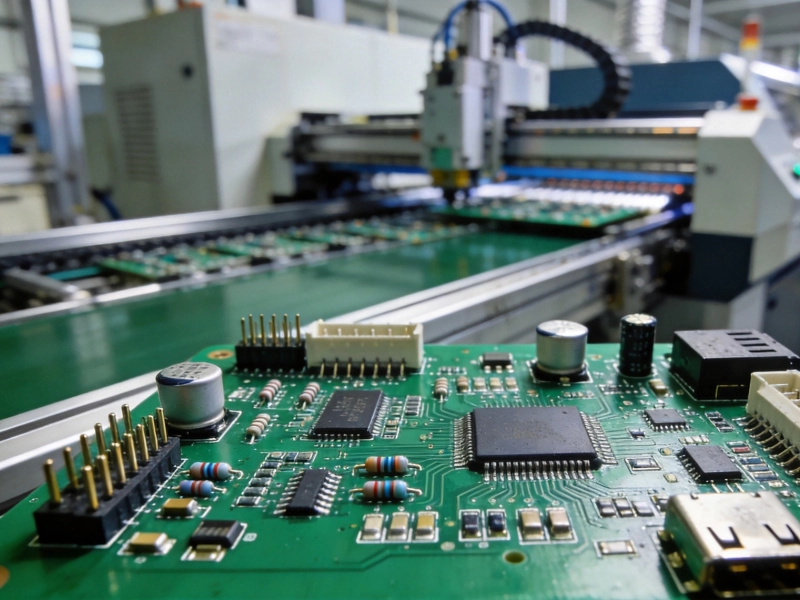
Mixed Assembly Explained: Combining SMT and THT on One PCB in ChinaSeptember/01/2026
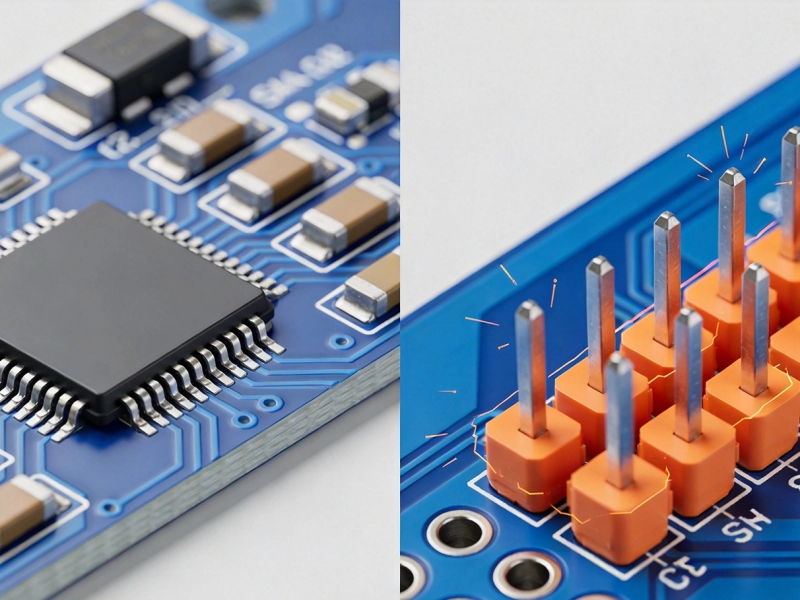
Understanding the Mechanical Strength Differences: SMT vs THT Assembly in ChinaJuly/27/2026
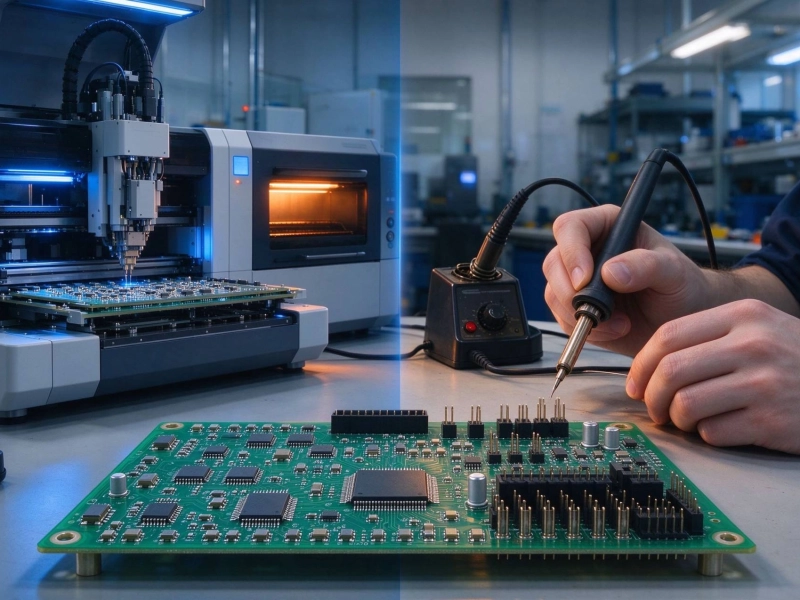
How to Choose the Best Assembly Method for Your PCB Prototype in ChinaOctober/12/2026
Cost Comparison: SMT vs THT PCB Assembly Services in ChinaJuly/07/2026
Automation Capabilities: Why SMT Assembly Wins Over THT for Mass Production in ChinaSeptember/10/2026
Design Rules Breakdown: Layout Differences for SMT vs THT Assembly in ChinaSeptember/21/2026
SMT vs THT PCB Assembly in China: Which Technology is Right for Your Project?June/08/2026

The Pros and Cons of SMT and THT in China's Electronics Manufacturing LandscapeJune/25/2026