Open Nav

China has emerged as a global powerhouse in Electronics Manufacturing, producing the vast majority of the world's printed circuit board assemblies. As international customers increasingly demand Quality Assurance and standardization, Chinese Smt Pcb Assembly facilities have invested heavily in achieving and maintaining compliance with Ipc-a-610—the internationally recognized standard for acceptability of electronic assemblies. This commitment to quality standards has transformed China's Electronics Manufacturing landscape, enabling Chinese facilities to serve the most demanding markets including aerospace, medical devices, automotive, and high-reliability industrial applications.
Understanding how Chinese Smt Pcb Assembly processes meet Ipc-a-610 standards provides valuable insights for companies considering China as a manufacturing partner. This comprehensive guide explores the standards, processes, certifications, and quality systems that enable Chinese manufacturers to deliver IPC-compliant assemblies that meet or exceed international expectations.
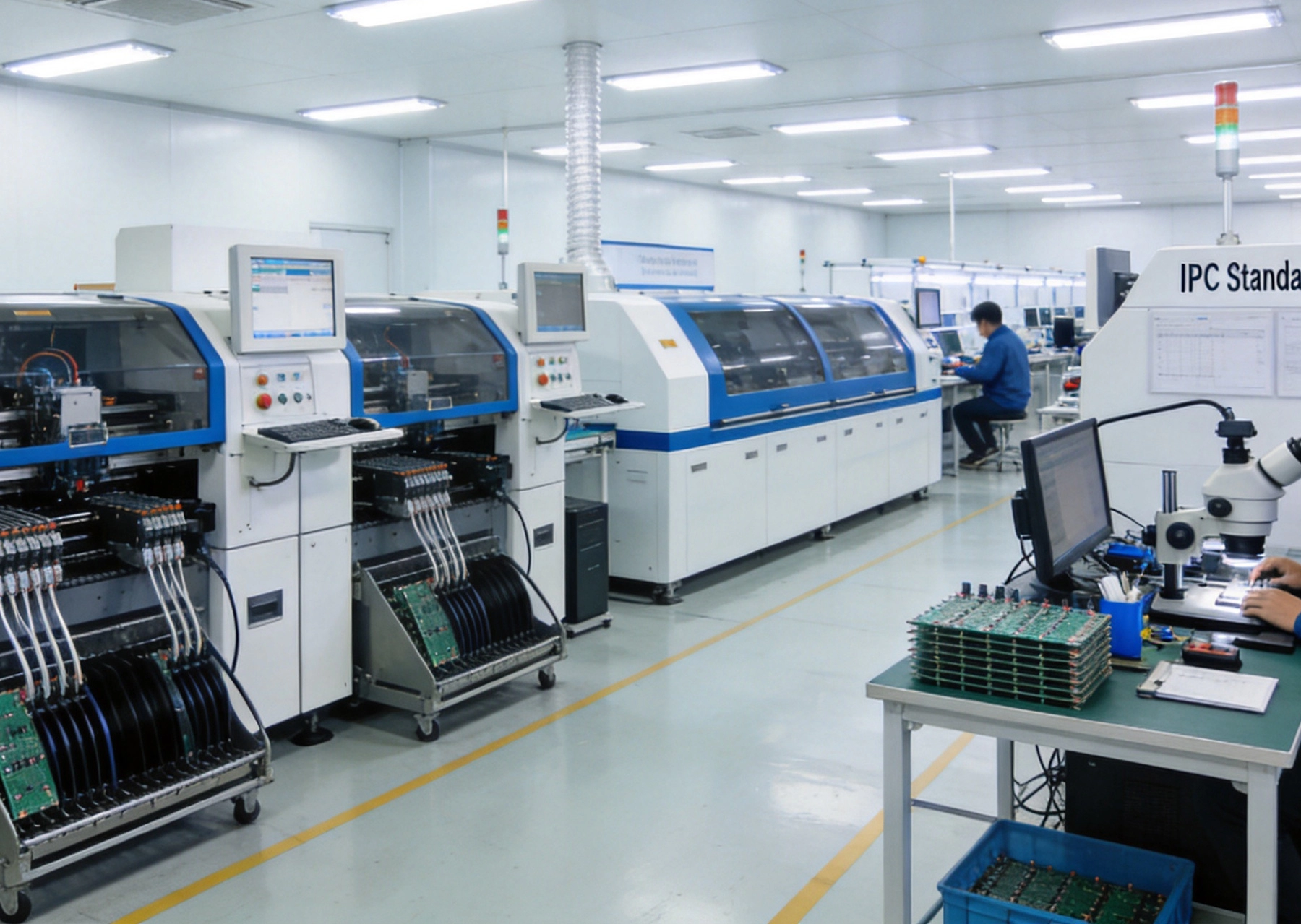
IPC-A-610, officially titled "Acceptability of Electronic Assemblies," represents the most widely used international standard for Electronics Assembly quality. Published by IPC (formerly the Institute for Printed Circuits), this standard establishes the criteria for determining the acceptability of soldered interconnections and mechanical assemblies on printed circuit boards. The standard covers all aspects of assembly workmanship including component mounting, soldering, cleanliness, and handling.
IPC-A-610 defines three classes of products based on their intended use and reliability requirements:
Chinese SMT facilities capable of producing Class 3 assemblies demonstrate the highest levels of process control, Quality Assurance, and workmanship standards—positioning them competitively with manufacturing facilities anywhere in the world.
The comprehensive standard addresses numerous aspects of assembly quality:
China's electronics manufacturing industry has undergone a remarkable transformation over the past two decades. What began primarily as a low-cost manufacturing destination has evolved into a sophisticated industry capable of meeting the world's most demanding quality standards.
In the early 2000s, Chinese Electronics Manufacturing focused largely on cost-driven production, often prioritizing price over quality. Many facilities lacked formal quality systems and relied on informal inspection processes. Ipc Standards were relatively unknown, and quality expectations were primarily customer-driven rather than standardized. While this approach enabled rapid growth and cost competitiveness, it also created quality inconsistencies that damaged the reputation of Chinese manufacturing in some markets.
Beginning in the late 2000s, progressive Chinese manufacturers recognized that sustainable growth required quality system implementation. Leading facilities invested in ISO 9001 certification as a foundation for quality management, then pursued IPC certifications including IPC-A-610, J-std-001 (Requirements for Soldered Electrical and Electronic Assemblies), and IPC-7711/7721 (Rework, Modification and Repair of Electronic Assemblies).
This quality transformation was driven by several factors: customer demands from quality-conscious markets, competitive pressure as customers began requiring certifications, and recognition that quality improvements actually reduced costs by minimizing rework, scrap, and warranty claims. Government support for quality improvement also accelerated adoption of international standards.
Today, thousands of Chinese Electronics Manufacturing facilities maintain IPC certifications, with many achieving Class 3 capability for high-reliability applications. Major Chinese manufacturing hubs including Shenzhen, Dongguan, Shanghai, and Suzhou host numerous IPC-certified facilities serving global customers in aerospace, medical, automotive, and telecommunications industries.
The quality transformation has been so significant that many leading Chinese facilities now set quality benchmarks that competitors worldwide struggle to match. Advanced inspection equipment, comprehensive quality systems, and skilled workforces combine to deliver IPC-compliant assemblies at competitive costs.
Achieving IPC-A-610 compliance requires systematic implementation across all aspects of manufacturing operations:
IPC-A-610 compliance builds upon a robust quality management system, typically based on ISO 9001. Chinese facilities implement comprehensive quality systems that address:
IPC-A-610 compliance requires rigorous control of manufacturing processes. Chinese facilities implement sophisticated process control systems:
Comprehensive inspection at multiple points ensures IPC-A-610 compliance:
IPC-A-610 defines specific workmanship standards that must be implemented throughout production:
Personnel competency is essential for IPC-A-610 compliance. Chinese facilities invest heavily in training and certification:
IPC offers several certification programs that Chinese facilities utilize:
Beyond IPC certifications, facilities implement internal training programs:
IPC certifications require renewal every two years, ensuring that certified personnel stay current with standard updates and maintain their knowledge. Chinese facilities track certification expiration dates and provide refresher training to maintain compliance.
Additionally, as IPC-A-610 is updated periodically (the current version is IPC-A-610H), facilities must update their training programs and processes to reflect the latest standard requirements.
Modern quality assurance requires sophisticated infrastructure that leading Chinese facilities have invested in:
Advanced inspection equipment enables consistent, objective assessment of assembly quality:
For high-reliability applications, environmental testing validates assembly robustness:
Quality data management supports continuous improvement and traceability:
Chinese SMT facilities implement specific process controls to ensure IPC-A-610 compliance across all operations:
Proper component management prevents quality issues before they reach production:
Solder paste quality directly affects solder joint reliability:
Reflow soldering requires precise thermal profile control:
Proper cleaning is essential for long-term reliability:
While IPC-A-610 provides the baseline, many customers have additional requirements that Chinese facilities must accommodate:
Customer specifications are integrated into production processes:
Different industries have specialized requirements beyond baseline Ipc Standards:
Chinese facilities face ongoing challenges in maintaining IPC-A-610 compliance:
Challenge: High employee turnover in manufacturing regions can result in loss of trained personnel and knowledge.
Solutions: Comprehensive training programs, competitive compensation to retain skilled workers, documented procedures that reduce dependence on individual knowledge, and cross-training programs that build redundant expertise.
Challenge: Managing component quality across complex supply chains with multiple tiers of suppliers.
Solutions: Approved vendor lists, incoming inspection programs, supplier quality agreements, and traceability systems that track components through the supply chain.
Challenge: Keeping pace with advancing component technologies, Miniaturization trends, and new assembly techniques.
Solutions: Continuous investment in equipment and training, participation in industry associations and standards development, collaboration with customers on new technology introduction, and partnerships with equipment and material suppliers.
Challenge: Balancing quality investment with competitive pricing pressures.
Solutions: Process efficiency improvements that reduce cost without compromising quality, automation that improves consistency while reducing labor costs, and value-added services that justify quality premiums.
Both internal and external verification ensure ongoing IPC-A-610 compliance:
Regular internal audits verify compliance and identify improvement opportunities:
Many customers conduct their own audits of Chinese manufacturing facilities:
Independent certifications provide objective verification of capabilities:
IPC-A-610 compliance delivers significant benefits for Chinese SMT facilities:
IPC certification opens access to quality-conscious markets including aerospace, medical, and automotive industries. Many customers in these sectors require IPC certification as a prerequisite for doing business, making certification essential for market participation.
In an increasingly competitive market, IPC certification differentiates quality-focused manufacturers from commodity competitors. Certification signals to customers that a facility has invested in quality systems and personnel training, reducing customer risk.
The discipline of implementing IPC standards drives process improvements that reduce defects, rework, and waste. These improvements often pay for the cost of certification through reduced quality costs and improved efficiency.
IPC certification provides customers with confidence that their products will be manufactured to recognized international standards. This confidence can reduce customer oversight requirements and strengthen supplier-customer relationships.
When evaluating Chinese SMT facilities for IPC-A-610 compliance, consider these factors:
Verify current certifications and their scope:
Evaluate the facility's capability to meet your requirements:
Evaluate the facility's history of quality performance:
Assess whether the facility's quality culture aligns with your expectations:
China's SMT PCB assembly industry has successfully transformed itself into a quality-focused manufacturing sector capable of meeting the most demanding international standards. IPC-A-610 compliance is no longer a differentiator for elite facilities—it has become the baseline expectation for manufacturers serving quality-conscious markets.
The journey from cost-driven manufacturing to quality-focused production required substantial investment in training, equipment, and quality systems. Leading Chinese facilities have made these investments and now compete globally based on quality as well as cost. For customers, this transformation provides access to world-class manufacturing capabilities at competitive costs.
As the electronics industry continues evolving, Chinese manufacturers will continue advancing their quality capabilities to meet emerging requirements. The combination of IPC-A-610 compliance, continuous improvement, and investment in advanced capabilities positions Chinese SMT facilities as valuable partners for companies seeking reliable, high-quality electronics manufacturing.
Verify compliance by requesting copies of current IPC certifications, conducting facility audits, reviewing quality data, and checking customer references. Look for specific IPC-A-610 CIS (Certified IPC Specialist) certifications for quality personnel and CIT (Certified IPC Trainer) certifications for training staff. Third-party ISO 9001 certification provides additional confidence in quality system implementation. Consider conducting your own audit or using a third-party audit service for critical applications.
Class 2 applies to dedicated service electronic products where continued performance is required but not critical. Class 3 applies to high-performance/harsh environment products where equipment must function when required and failure cannot be tolerated. Class 3 has stricter requirements for solder joint quality, component mounting, cleanliness, and overall workmanship. For example, Class 3 allows no visible voids in solder joints where Class 2 permits limited voids, and Class 3 requires better wetting and fillet formation.
No, IPC-A-610 compliance varies significantly among Chinese manufacturers. While thousands of facilities have achieved IPC certification, many others operate without formal quality systems or IPC compliance. Facilities range from world-class operations exceeding international standards to basic shops with minimal quality controls. Customers must evaluate potential partners carefully, verifying certifications and assessing capabilities rather than assuming universal compliance.
IPC-compliant manufacturing typically costs 15-30% more than non-compliant production due to investment in training, equipment, quality systems, and more rigorous processes. However, the total cost of ownership often favors compliant manufacturing when considering reduced defect rates, lower rework costs, fewer field failures, and reduced customer quality oversight requirements. For high-reliability applications, the cost premium is usually justified by improved quality and reliability.
Yes, leading Chinese facilities successfully manage both IPC-A-610 baseline requirements and industry-specific standards such as AS9100 for aerospace, Iso 13485 for medical, or Iatf 16949 for automotive. These facilities integrate multiple standard requirements into their quality systems, ensuring compliance with all applicable requirements. When selecting a partner, verify that their certifications and capabilities match your specific industry requirements.
Step-by-Step: From Solder Paste Printing to Final Testing in China SMT AssemblyJuly/13/2026
How to Place Fiducial Marks for Accurate SMT PCB Assembly in ChinaAugust/15/2026
Wave Soldering vs. Reflow: Navigating the SMT PCB Assembly Process in ChinaAugust/12/2026
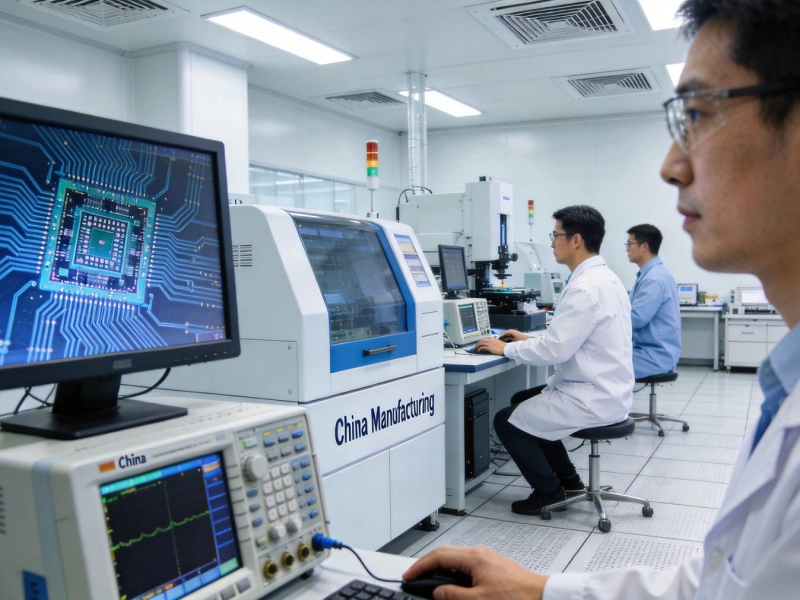
How a Top High Frequency PCB Manufacturer Ensures Signal IntegrityJune/02/2026
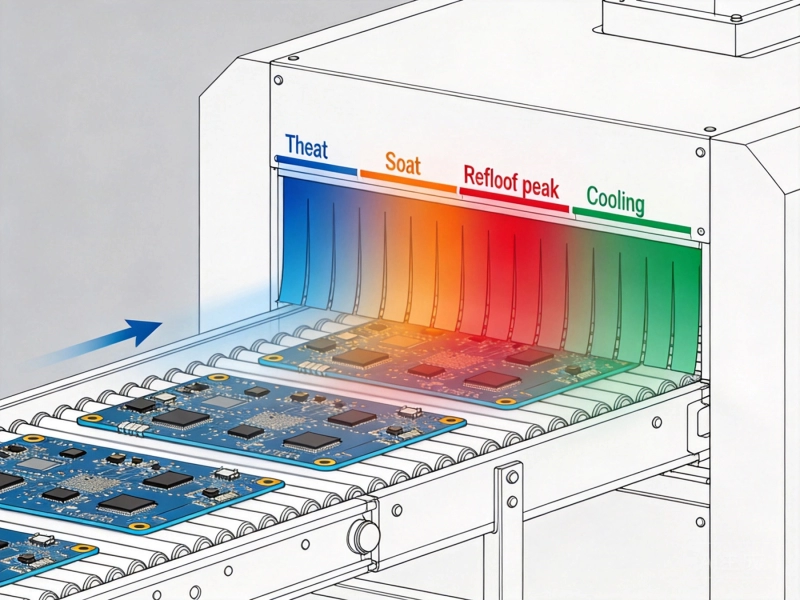
Understanding Reflow Soldering Profiles Used in SMT PCB Assembly ChinaJune/30/2026
The Importance of X-Ray Inspection for BGA in China's SMT Assembly ProcessAugust/03/2026
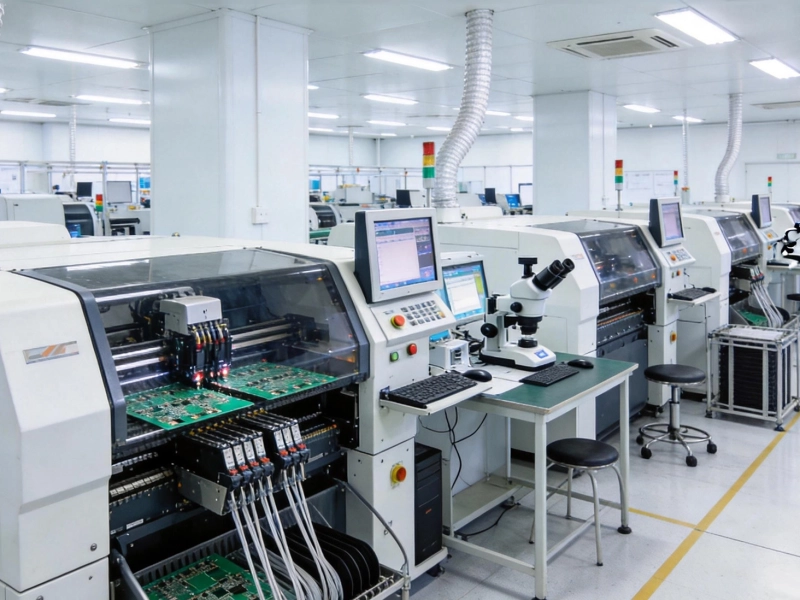
The Complete Process WalkthroughMay/29/2026
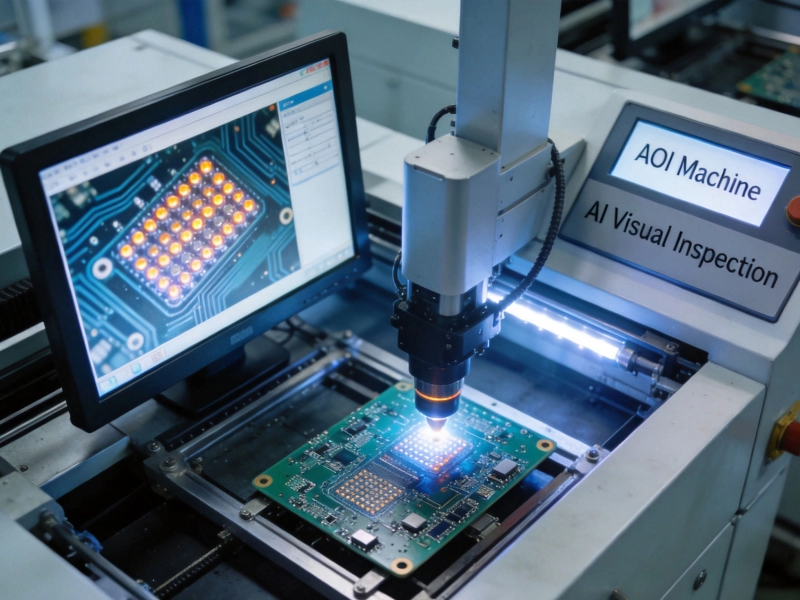
The Role of Automated Optical Inspection (AOI) in China's SMT Assembly LinesJune/16/2026