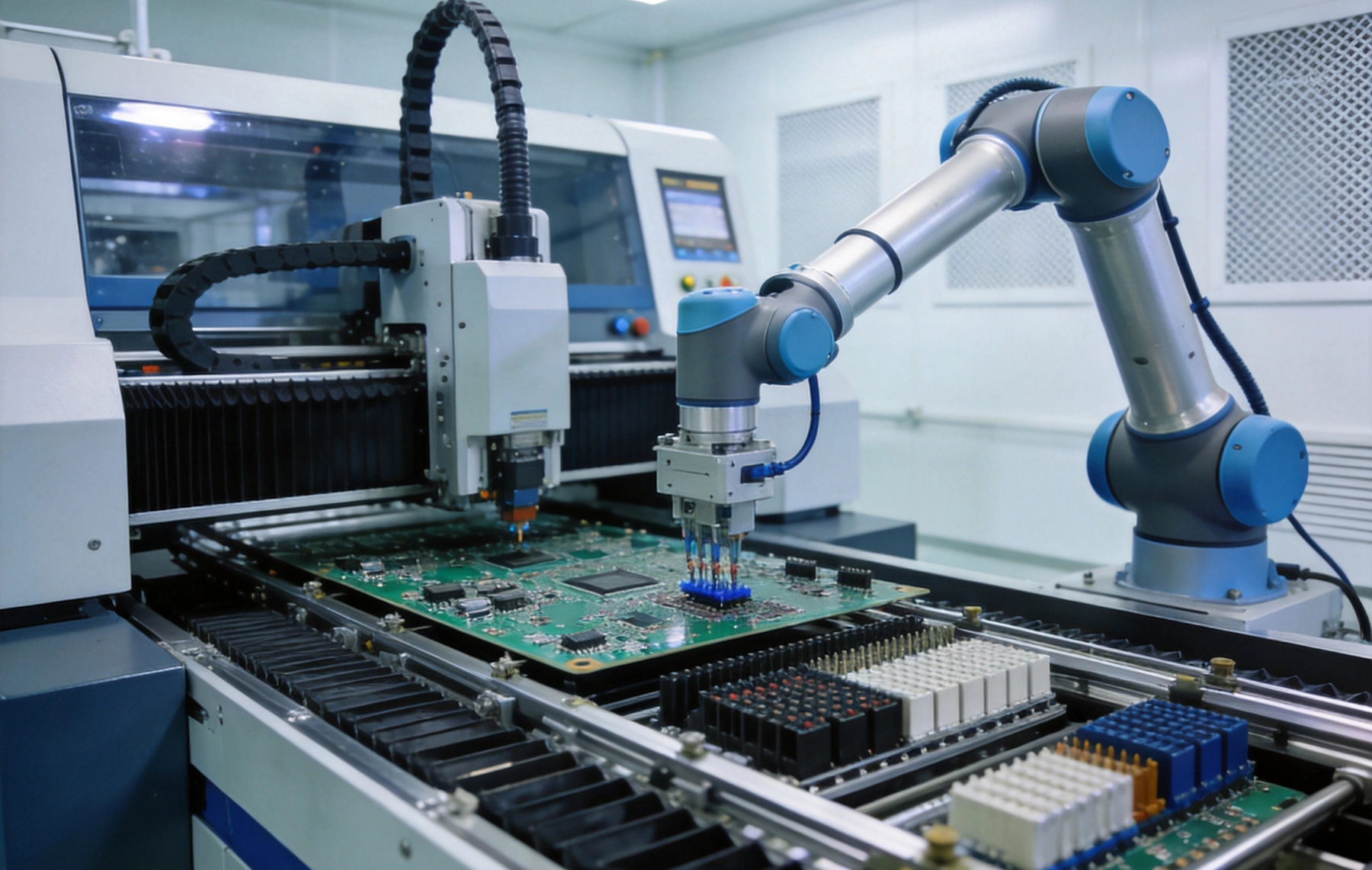
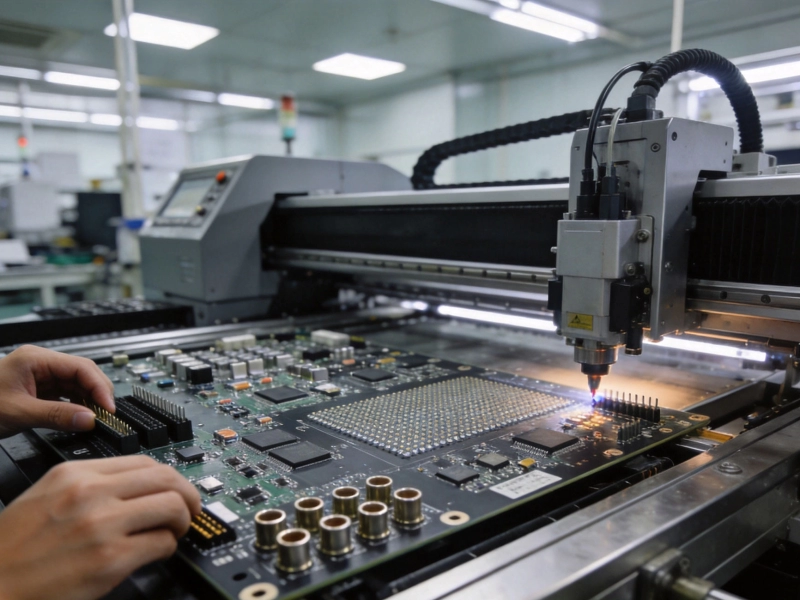
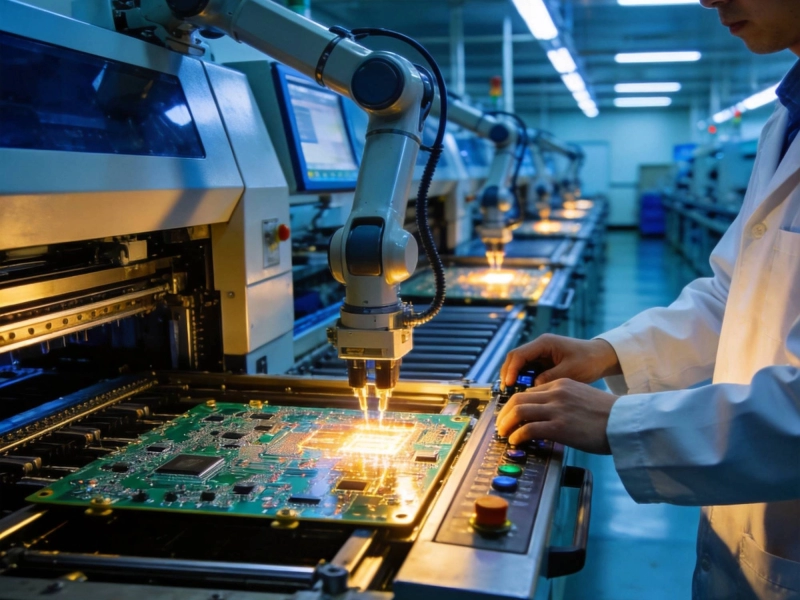
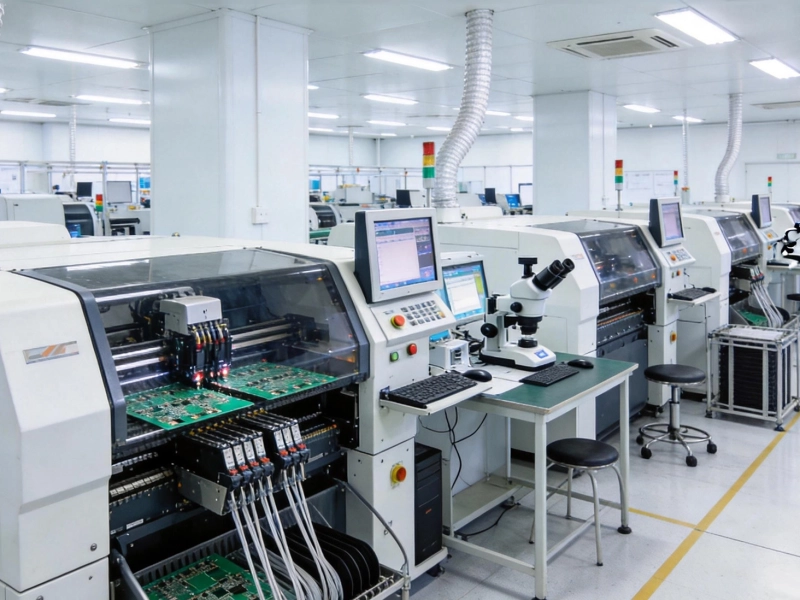
China's aerospace and defense industries have experienced rapid growth over the past two decades, with significant investment in satellite systems, commercial aviation, military electronics, and space exploration programs. Surface Mount Technology (SMT) Pcb Assembly for these applications faces uniquely stringent requirements, as even minor defects can lead to catastrophic mission failures, equipment damage, or safety risks. Chinese electronics manufacturers have developed specialized capabilities and solutions to address these challenges, supporting the country's strategic aerospace and defense objectives while meeting the highest international quality and reliability standards.

Unique Requirements of Aerospace and Defense SMT PCB Assembly
Unlike commercial or Industrial Electronics, aerospace and defense PCBs must operate reliably under extreme conditions for extended service lives:
-
Extreme Environmental Resistance: PCBs must withstand wide temperature ranges (-55°C to +125°C and beyond), high vibration and shock loads, cosmic radiation, humidity, and exposure to corrosive substances during 20-30 year service lifetimes.
-
Near-Zero Defect Tolerance: Defect rates must be kept below 10 DPMO (Defects Per Million Opportunities), compared to 500-1000 DPMO for standard industrial applications, as even a single solder joint failure can compromise mission-critical systems.
-
Full Lifecycle Traceability: Every component, material batch, and manufacturing process step must be fully traceable for the entire product lifecycle, with records maintained for 30+ years for compliance and failure analysis purposes.
-
Strict Regulatory Compliance: Manufacturing must meet AS9100 aerospace quality management standards, Chinese military standards (GJB), and specialized defense industry security and confidentiality requirements.
-
Long-Term Support Requirements: Aerospace and defense platforms often remain in service for 30+ years, requiring sustained component availability and technical support long after initial production ends.
Core Challenges for Aerospace and Defense SMT Assembly in China
Chinese manufacturers face several specific challenges in meeting the demanding requirements of aerospace and defense Smt Assembly:
-
Supply Chain Security Concerns: International export restrictions on certain high-end electronic components and manufacturing equipment require development of fully domestic, self-reliant supply chains to ensure uninterrupted production for defense applications.
-
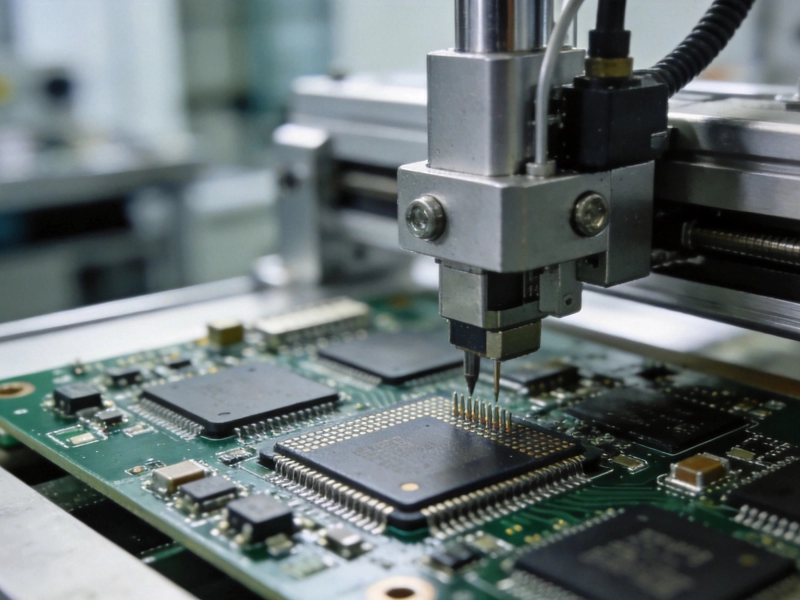
Advanced Process Complexity: Aerospace electronics often feature ultra-Fine Pitch components, high-density BGA packages, ceramic substrates, and high-temperature materials that require specialized assembly processes with extremely tight tolerances.
-
Stringent Confidentiality Requirements: Defense-related projects require comprehensive information security and confidentiality management systems to protect sensitive technical data from unauthorized access or leakage.
-
High-Mix, Low-Volume Production: Aerospace and defense programs typically involve small production volumes across many different product variants, requiring Flexible Manufacturing systems that can maintain consistent quality across frequent product changeovers.
-
Specialized Talent Gap: High-reliability Smt Assembly requires highly skilled engineers and technicians with specialized knowledge of aerospace standards and processes, creating a talent gap that takes significant time and investment to address.
Proven Solutions Implemented by Chinese Manufacturers
China's aerospace and defense Electronics Manufacturing ecosystem has developed comprehensive solutions to address these challenges:
1. Supply Chain Self-Reliance and Security
-
Domestic Component Development: Close collaboration between manufacturers, component suppliers, and research institutions has accelerated development of domestic alternatives for critical components, reducing dependence on imported parts.
-
Multi-Source Supply Chains: Qualification of multiple suppliers for all critical components ensures supply continuity even if one source becomes unavailable.
-
Strategic Inventory Management: Maintenance of long-term safety stock for critical components and obsolete parts supports production requirements for legacy platforms over extended service lives.
-
Counterfeit Prevention: Implementation of rigorous incoming component inspection including X-ray Inspection, authenticity verification, and electrical testing to eliminate counterfeit components from the supply chain.
2. Advanced Manufacturing Process Optimization
-
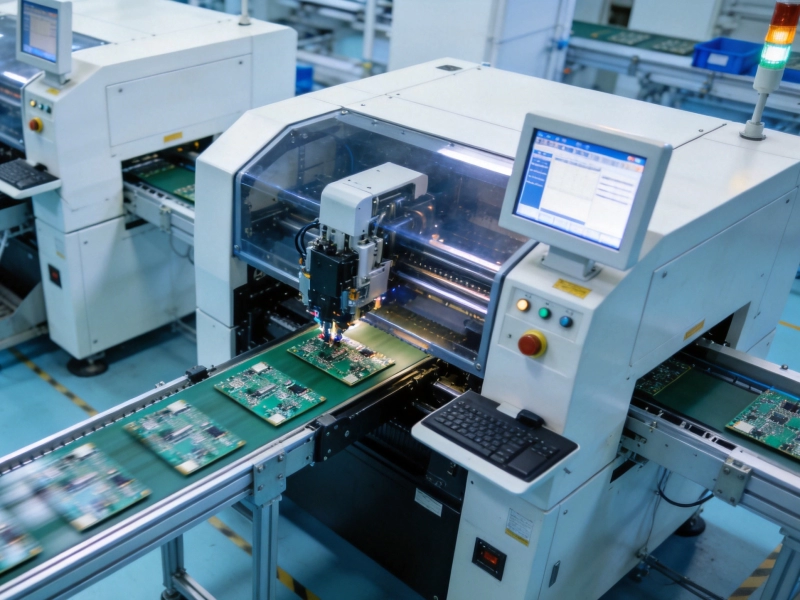
High-Precision Equipment Deployment: Investment in state-of-the-art SMT equipment with ±10μm placement accuracy, high-precision solder paste printers with 2D/3D inspection, and nitrogen reflow ovens with precise Temperature Profile control for reliable assembly of ultra-Fine Pitch and BGA components.
-
Specialized Process Development: Development of optimized assembly processes for high-reliability applications, including low-void soldering processes for BGA and QFN packages, selective Conformal Coating, and cleaning processes that eliminate ionic contamination.
-
High-Reliability Material Selection: Use of specialized materials including high-Tg, low-CTE PCB substrates, aerospace-grade solder alloys, and high-performance underfill materials to ensure reliability under extreme environmental conditions.
-
Rigid Process Control: Implementation of statistical process control (SPC) for all critical manufacturing parameters, with strict process change control procedures to prevent unapproved modifications that could affect reliability.
3. Comprehensive Quality Assurance Systems
-
100% Inspection Coverage: Multi-layer inspection including solder paste inspection (SPI), Automated Optical Inspection (Aoi) after placement and reflow, 3D X-ray Inspection for hidden solder joints, in-circuit testing (ICT), functional testing, and environmental stress screening (ESS) for all units.
-
Full Traceability Systems: Implementation of manufacturing execution systems (Mes) that track every component by serial number, record all process parameters and operator actions, and maintain complete records for the entire product lifecycle.
-
Rigorous Qualification Processes: All new processes, materials, and components undergo extensive qualification testing including temperature cycling, vibration and shock testing, damp heat exposure, and long-term reliability testing before being approved for production use.
-
Specialized Personnel Training: Comprehensive training and certification programs for all production and quality personnel, with regular requalification to ensure consistent adherence to aerospace standards and processes.
4. Security and Confidentiality Management
-
Multi-Layer Security Systems: Implementation of physical security controls, network isolation, data encryption, and access control systems to protect sensitive project data.
-
Confidentiality Training: Mandatory security and confidentiality training for all personnel working on defense-related projects, with strict non-disclosure agreements and regular security audits.
-
Segregated Production Areas: Physically separate production areas for defense projects with restricted access, ensuring no cross-contamination with commercial projects.
5. Flexible Production Management for High-Mix Manufacturing
-
Modular Production Lines: Design of modular SMT production lines that can be quickly reconfigured for different product variants while maintaining consistent process parameters.
-
Standardized Process Libraries: Development of standardized process libraries for common component types and assemblies, reducing setup time and process variability for new products.
-
Dedicated Npi Teams: Specialized new product introduction (Npi) teams that focus on process development and validation for low-volume, high-complexity aerospace and defense products.
Achievements and Current Capabilities
Chinese aerospace and defense SMT assembly capabilities have advanced significantly in recent years:
-
Domestic manufacturers now provide full end-to-end capabilities from design for reliability (DFR) support through assembly, testing, and qualification for the most complex aerospace and defense PCBs.
-
Capabilities support all major aerospace and defense programs including the BeiDou satellite navigation system, C919 commercial aircraft, domestic military aviation platforms, and space exploration missions.
-
Process capabilities match international leading standards, with ability to assemble ultra-dense PCBs with up to 30+ layers, 25μm trace widths, and component pitches down to 0.3mm.
-
Supply chain localization rates continue to improve, with domestic alternatives available for most critical components and materials, significantly reducing supply chain risk.
Future Development Trends
The Chinese aerospace and defense SMT assembly industry continues to evolve to meet future requirements:
-
Higher Density Assembly: Development of advanced assembly processes for heterogeneous integration, system-in-package (SiP), and millimeter-wave applications to support next-generation radar, communication, and artificial intelligence systems.
-
Intelligent Manufacturing: Integration of artificial intelligence (AI) for automated defect detection, predictive maintenance, and real-time process optimization to further improve quality and reduce defect rates.
-
Full Supply Chain Localization: Continued investment in domestic development of high-end SMT equipment, materials, and components to achieve complete self-reliance across the entire supply chain.
-
Environmentally Friendly Processes: Implementation of lead-free and halogen-free assembly processes that meet environmental requirements while maintaining the extreme reliability needed for aerospace and defense applications.
-
Digital Twin Integration: Development of digital twin technology for manufacturing processes, enabling virtual process optimization and predictive quality control before physical production begins.
Conclusion
Aerospace and defense SMT PCB Assembly represents one of the most demanding manufacturing segments, requiring exceptional quality, reliability, and security. Chinese manufacturers have successfully addressed the unique challenges of this sector through targeted investment in technology, process development, supply chain localization, and quality management systems. Today, the domestic industry provides fully capable, secure, and reliable SMT assembly solutions that support China's aerospace and defense strategic objectives, with capabilities that match international leading standards. As the industry continues to advance, it will play an increasingly important role in supporting the next generation of aerospace and defense technology development.
Contact us to discuss your requirements.