Open Nav

High-mix low-volume, or HMLV, manufacturing has become a defining characteristic of modern Industrial Electronics. Unlike consumer products that may run millions of identical units, industrial clients often require dozens or hundreds of product variants, each with different board layouts, component combinations, testing requirements, and delivery schedules. In China’s industrial manufacturing ecosystem, flexible Smt Assembly has emerged as a critical capability for serving these customers without sacrificing quality, traceability, or delivery performance.
Success in HMLV Smt Assembly is not simply about running smaller batches. It requires disciplined changeover management, robust engineering support, accurate material control, flexible testing strategies, and close collaboration between customers and manufacturers. For industrial clients in sectors such as automation, energy, transportation, medical equipment, instrumentation, and communications infrastructure, a well-run HMLV production model can reduce time to market, lower inventory risk, and improve responsiveness to design changes.
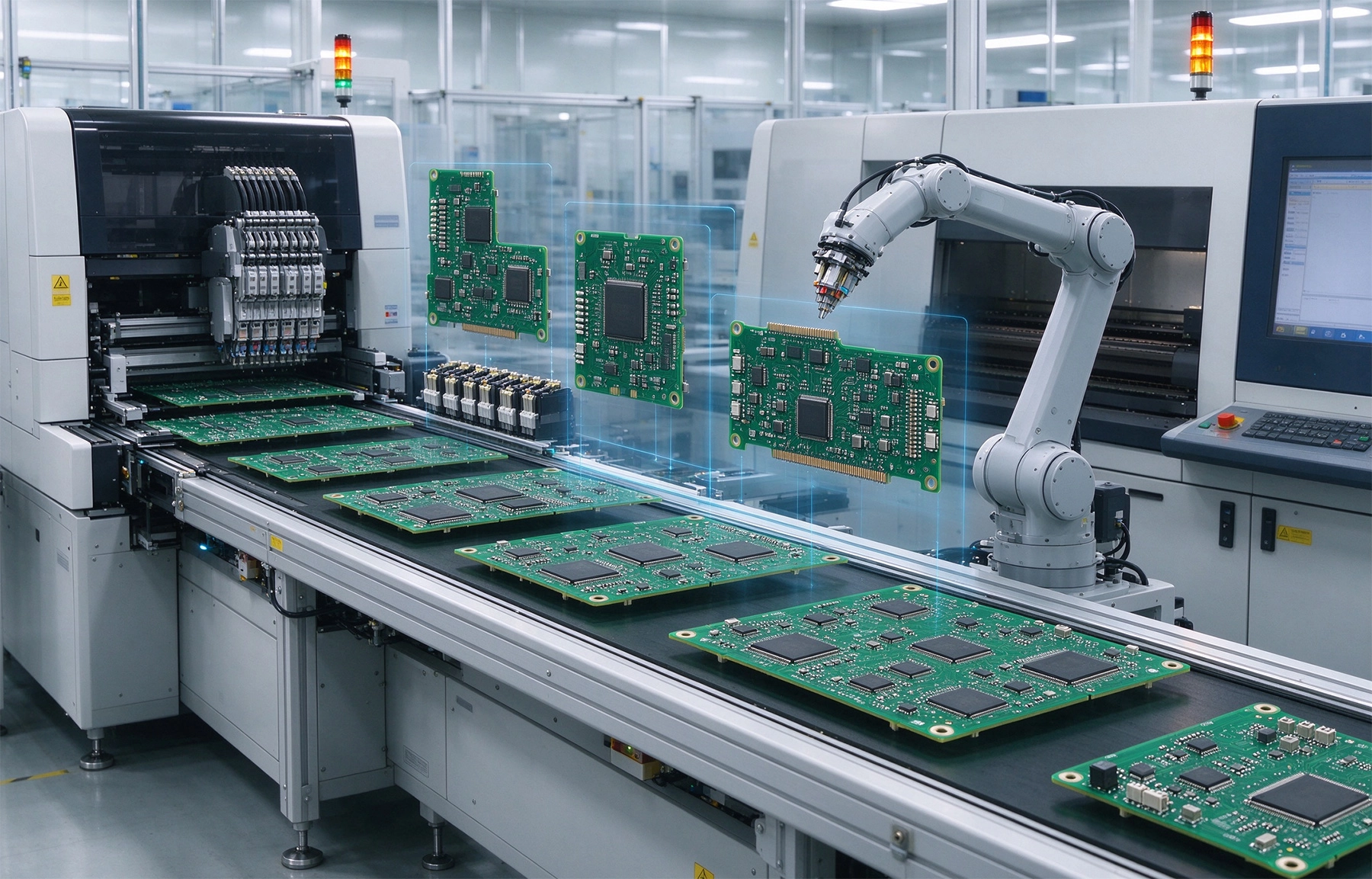
High-mix low-volume SMT assembly refers to production environments where many different PCB assemblies are manufactured in relatively small quantities. A typical HMLV facility may handle hundreds or thousands of unique part numbers, with batch sizes ranging from prototypes and engineering samples to small production runs and recurring replenishment orders.
Common characteristics of HMLV SMT assembly include:
For industrial clients, HMLV production supports product customization, regional specification differences, legacy product maintenance, and gradual design migration. It also allows companies to avoid large inventory commitments while maintaining reliable supply for specialized equipment.
China’s Industrial Electronics market includes automation equipment, Power Electronics, railway systems, energy meters, medical devices, industrial cameras, robotics controllers, test instruments, and communication modules. These products often have long life cycles, strict reliability requirements, and frequent engineering updates.
Many industrial clients do not need mass production immediately. They may start with prototypes, move to pilot runs, and then scale gradually as field validation progresses. At the same time, mature products may continue in low-volume production for years because they serve specialized applications. A flexible SMT partner must support both new product introduction and long-term sustainment.
Another important factor is supply chain responsiveness. Industrial customers in China often work with global and domestic components, and component availability can change quickly. A flexible assembly provider helps manage alternates, partial substitutions, and material risk without delaying production.
Each new product variant may require different feeders, nozzles, stencils, programs, and inspection settings. If changeover time is not controlled, non-productive setup time can dominate the production schedule. Efficient HMLV operations rely on standardized setup procedures, feeder preparation offline from the line, and clear job sequencing.
HMLV environments handle many component reels, trays, and tubes, often with different moisture sensitivity levels. Accurate material control is essential to prevent misloads, expired components, or incorrect substitutions. Barcode scanning, FIFO rotation, and moisture-bake tracking help maintain accuracy.
Unlike high-volume lines that run stable programs for weeks, HMLV orders often require design-for-manufacturability review, stencil optimization, test fixture development, and first-article verification. Strong engineering support reduces rework and accelerates ramp-up.
Industrial customers frequently require full traceability for components, solder paste, reflow profiles, inspection results, and test data. This is especially important for medical, energy, transportation, and safety-related applications. Traceability must be maintained even when batch sizes are small.
Too much flexibility without discipline leads to errors and delays. Too much rigidity makes it difficult to handle urgent orders or design changes. Successful HMLV assembly depends on standardized processes that remain adaptable to different customer requirements.
A flexible SMT facility for industrial clients typically combines dedicated high-mix lines with shared support resources. These lines are designed for quick changeover rather than maximum throughput.
Important elements include:
For industrial boards with thick substrates, heavy components, or mixed technology, lines may also support selective soldering, Manual Assembly, Conformal Coating, and mechanical assembly.
Material readiness is often the biggest bottleneck in HMLV assembly. Industrial designs may use specialized connectors, power modules, sensors, processors, and passive components with long lead times. A flexible SMT provider must manage both customer-supplied and consigned materials as well as turnkey procurement.
Effective material control includes:
In China’s supply chain environment, having access to both domestic and international component channels can reduce lead-time risk. However, counterfeit prevention and authorized sourcing remain essential, especially for safety-critical industrial products.
HMLV customers benefit greatly from early Dfm feedback. Because batches are small, there is less opportunity to absorb recurring defects through volume learning. Preventing issues before production starts is more efficient than correcting them on the line.
Typical Dfm checks for Industrial Smt Assembly include:
For industrial clients, DFM is not only about assembly yield. It also supports long-term reliability, serviceability, and compliance with industry-specific standards.
Industrial customers often require higher documentation standards than Consumer Electronics projects. A capable HMLV SMT provider should maintain clear quality records for each batch, even when production quantities are small.
Important quality practices include:
Traceability becomes especially important when products are deployed in critical infrastructure. If a field issue arises, the manufacturer should be able to trace affected boards to specific material lots, production dates, and test results.
Testing in HMLV environments must be flexible. Dedicated test fixtures may not be economical for very small batches, but skipping testing is unacceptable for industrial reliability. A balanced approach combines modular fixtures, programmable test equipment, and targeted manual verification.
Common testing methods include:
For industrial clients, test coverage should be defined early in the project. The assembly provider can then prepare test programs, fixtures, and documentation in parallel with SMT process setup.
Automation controllers, servo drives, I/O modules, and robot interface boards often have many variants. Different customers may require different communication protocols, connector layouts, or firmware configurations. HMLV SMT assembly allows manufacturers to produce these variants efficiently while maintaining consistent quality.
Smart meters, inverter control boards, battery management systems, and power monitoring devices may combine high-voltage circuits, sensitive analog measurement, and digital communication. These products require careful material control, Thermal Management, and traceability.
Medical instrumentation and diagnostic devices often have strict documentation and quality requirements. Even low-volume production must follow controlled processes, maintain traceability, and support regulatory audits.
Railway signaling, traffic control systems, and infrastructure monitoring devices may remain in production for many years with periodic design updates. Flexible SMT assembly supports both new deployments and long-term spare-part supply.
Not all SMT factories are equally suited for high-mix low-volume work. Some facilities are optimized for high-volume Consumer Electronics and may struggle with frequent changeovers and complex documentation. When evaluating a partner for industrial HMLV assembly, customers should look beyond unit price.
Key evaluation criteria include:
A good HMLV partner acts as an extension of the customer’s engineering and supply chain team. The relationship should support rapid iteration during development and stable execution during production.
High-mix low-volume SMT assembly is increasingly important for industrial clients in China because it balances flexibility, quality, and speed. Industrial electronics rarely follow simple mass-production patterns. They require frequent design changes, customized configurations, strict traceability, and reliable long-term supply. A flexible SMT operation can meet these needs by combining quick changeover processes, strong engineering support, disciplined material control, and adaptable testing.
For industrial companies, the right HMLV manufacturing partner does more than assemble boards. It reduces development risk, shortens lead times, protects product quality, and enables scalable production from prototype to mature low-volume manufacturing. In a market where customization and reliability matter as much as cost, flexible SMT assembly has become a competitive advantage.
High-volume SMT assembly focuses on producing large quantities of a few products with minimal changeover. High-mix low-volume assembly handles many different products in small batches, requiring frequent changeovers, stronger engineering support, and more flexible material and test management.
Industrial products often have many variants, long life cycles, and strict reliability requirements. HMLV SMT assembly allows manufacturers to support customization, Rapid Prototyping, and sustained low-volume production without maintaining large inventories.
The main challenges include frequent changeovers, complex material management, engineering-intensive setup, strict traceability requirements, and the need to balance flexibility with production efficiency.
Traceability can be maintained through barcode scanning, component lot tracking, solder paste and Reflow Profile records, Aoi and X-ray data, test results, and serial number management. These controls should apply to every batch, regardless of size.
Turnkey Assembly is useful when the customer wants the manufacturer to handle component sourcing, material control, assembly, testing, and delivery. It reduces supply chain complexity, especially for projects with many components or tight lead times.
Why IPC Class 3 Standards Matter for Industrial SMT PCB Assembly in ChinaJune/28/2026
Quality Control Protocols Specific to Industrial SMT PCB Assembly in Chinese FactoriesSeptember/24/2026

SMT PCB Assembly for Harsh Environments: Conformal Coating Solutions in ChinaJuly/18/2026
Ensuring Long-Term Supply Chain Stability for Industrial SMT Assembly in ChinaSeptember/03/2026
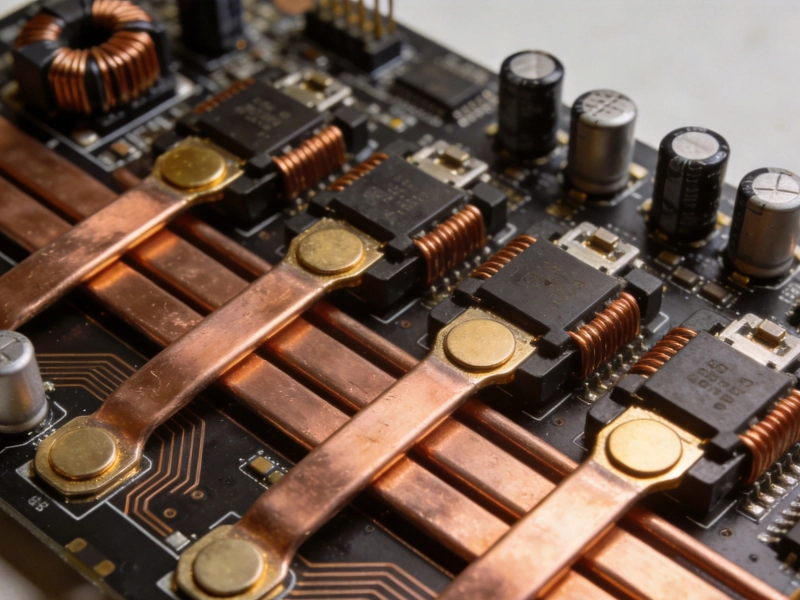
Heavy Copper PCBs and High-Power Components in Industrial SMT Assembly ChinaSeptember/14/2026
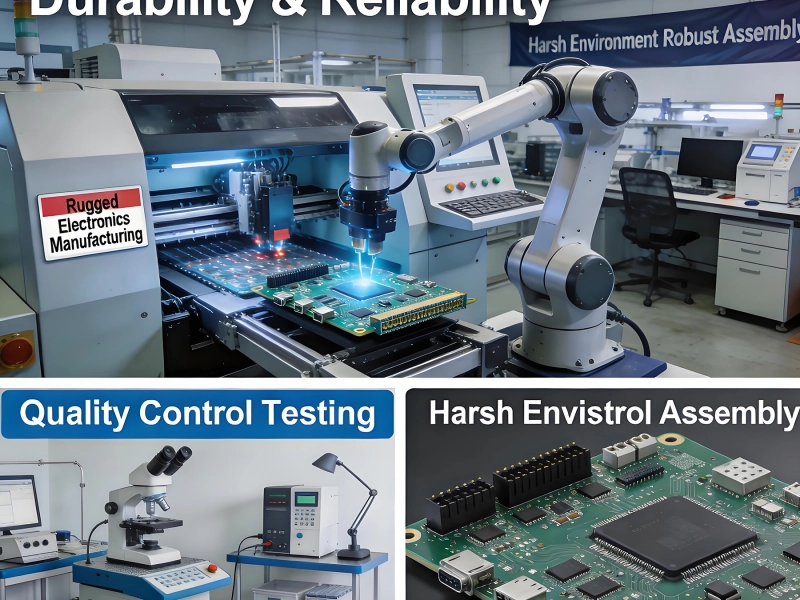
The Demands of Industrial SMT PCB Assembly in ChinaMay/29/2026
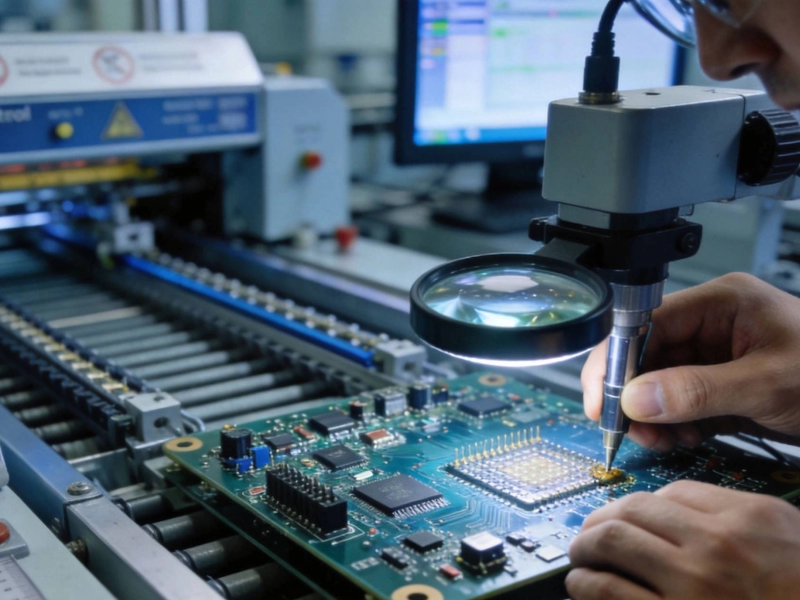
Why IPC Class 3 Standards Matter for Industrial SMT PCB Assembly in ChinaJuly/08/2026
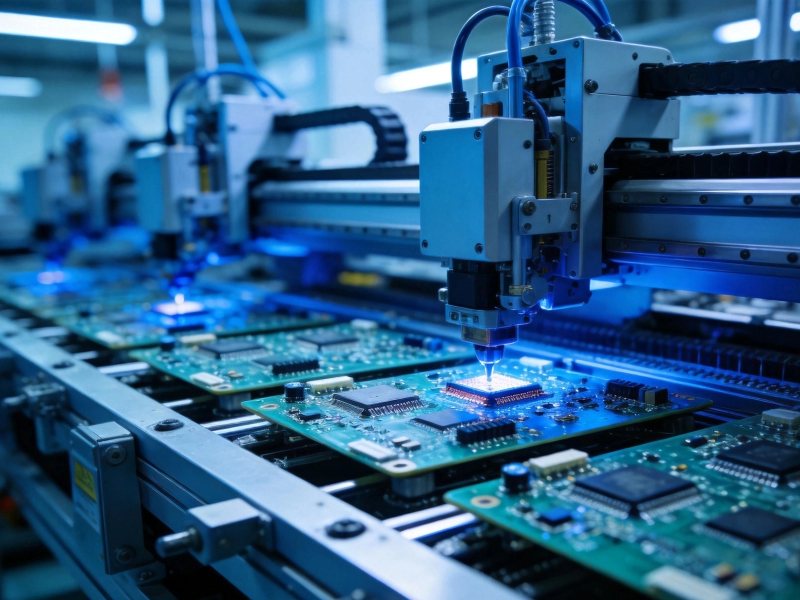
Cost Comparison: SMT vs THT PCB Assembly Services in ChinaJuly/07/2026