Home Blog DFM for SMT PCB Assembly

How DFM Analysis in China Can Prevent Costly SMT Assembly Delays

August/14/2026

In the fast-paced world of Electronics Manufacturing, time is money. When companies rush their Smt Assembly projects to market without proper Design For Manufacturing (Dfm) analysis, they often face costly delays, rework, and quality issues that could have been prevented. This is particularly true when working with China's Smt Assembly services, where the combination of advanced capabilities, competitive pricing, and complex supply chains makes thorough Dfm analysis absolutely essential for success.

Every year, countless companies lose millions of dollars to preventable assembly delays—delays that stem from design issues, component problems, and manufacturability challenges that should have been caught before production began. These delays not only impact project timelines and budgets but can also damage customer relationships and market opportunities. The solution lies in comprehensive Dfm Analysis performed before manufacturing begins, particularly when leveraging China's extensive SMT assembly capabilities.

This guide explores how Dfm Analysis in China can prevent costly SMT assembly delays, the specific benefits it provides, and how to implement effective DFM processes in your electronics development workflow. By understanding and applying these principles, you can significantly reduce the risk of assembly delays, improve product quality, and accelerate your time to market.
How DFM Analysis in China Can Prevent Costly SMT Assembly Delays

Understanding DFM Analysis in SMT Assembly

Before diving into the specifics of how DFM analysis prevents delays, it's important to understand what DFM analysis actually entails and why it's so critical in the context of SMT assembly.

What is DFM Analysis?

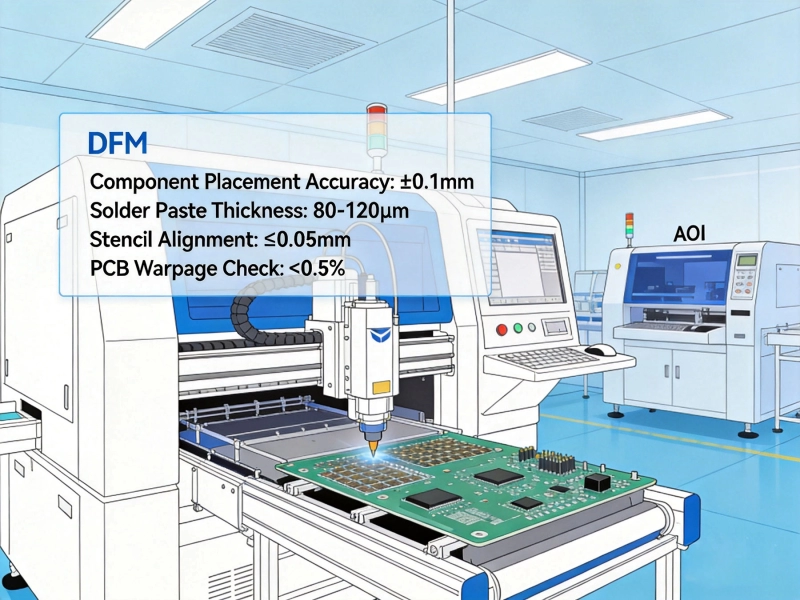
Design For Manufacturing (DFM) analysis is a systematic process of evaluating a Pcb Design for its manufacturability before production begins. This analysis examines every aspect of the design—from component selection and placement to trace routing, solder mask, and silkscreen—to identify potential issues that could cause problems during assembly or in the field.

DFM analysis goes beyond simple design rule checking (DRC). While DRC verifies that a design meets basic manufacturing constraints, DFM analysis takes a more comprehensive approach, considering the entire manufacturing process, yield optimization, long-term reliability, and cost-effectiveness. It's a collaborative process that bridges the gap between design engineering and manufacturing engineering.

Why DFM Analysis is Critical for SMT Assembly

SMT assembly presents unique challenges that make DFM analysis particularly important:

  • Component complexity: Modern SMT components are increasingly small and complex, with fine-pitch packages that require precise assembly processes
  • High density: Component densities continue to increase, making placement accuracy and solder joint quality critical
  • Process sensitivity: SMT assembly processes are sensitive to design variations that can dramatically affect yield and reliability
  • Material compatibility: Different components and PCB materials have different thermal and mechanical properties that must be compatible
  • Supply chain complexity: Component availability and substitutions can impact assembly feasibility and timing

The Cost of Skipping DFM Analysis

The consequences of inadequate or skipped DFM analysis can be severe:

  • Assembly delays: Design issues discovered during assembly cause production stops and rework cycles
  • Yield losses: Poor manufacturability leads to lower yields and higher scrap rates
  • Quality problems: Field failures and warranty costs increase when design issues aren't caught early
  • Cost overruns: Emergency rework, redesign, and expedited shipping significantly increase project costs
  • Market delays: Missed launch windows and delayed product introductions impact revenue and market position

How DFM Analysis Prevents Common SMT Assembly Delays

DFM analysis addresses specific issues that are frequent causes of SMT assembly delays, particularly when working with China's assembly services. Let's examine the most common delay-causing issues and how DFM analysis prevents them.

Component Selection and Availability Issues

The Problem: One of the most common causes of assembly delays is component-related issues. Designers sometimes select components that are obsolete, have long lead times, or are difficult to source in China. When assembly begins and these issues are discovered, production must stop while alternatives are found and qualified.

How DFM Analysis Prevents This:

  • Component availability verification: DFM analysis checks component availability in the Chinese market and identifies potential sourcing issues
  • Obsolescence review: Analysis identifies components nearing end-of-life and suggests alternatives
  • Substitution evaluation: Pre-approves alternative components that can be used if primary components are unavailable
  • Supply chain assessment: Evaluates the reliability of component suppliers and identifies potential bottlenecks

Footprint and Land Pattern Problems

The Problem: Incorrect or suboptimal component footprints are a leading cause of assembly issues. Footprint problems can cause tombstoning, misalignment, insufficient solder joints, and assembly defects that require rework or redesign.

How DFM Analysis Prevents This:

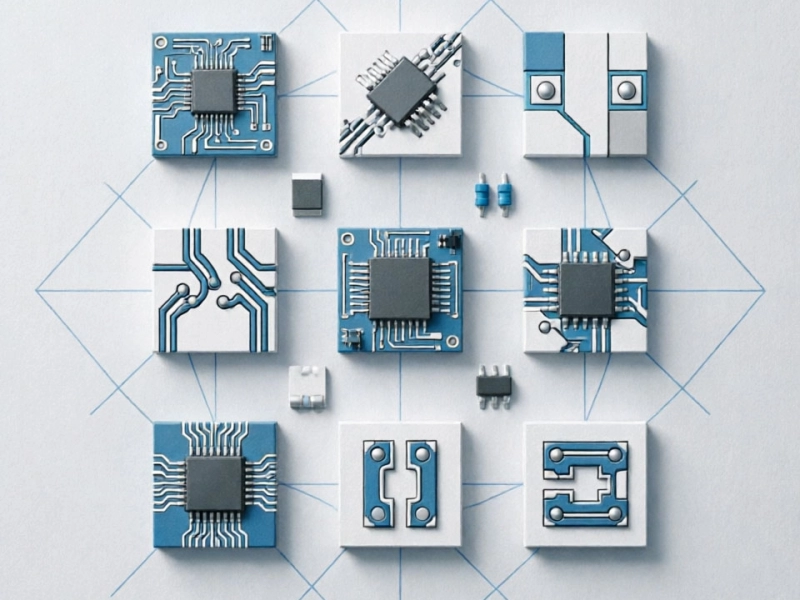
  • Footprint verification: DFM analysis verifies that component footprints match manufacturer recommendations and industry standards
  • Land pattern optimization: Optimizes pad sizes and shapes for reliable solder joint formation
  • Thermal relief design: Ensures proper thermal relief for through-hole components and ground connections
  • Assembly compatibility: Verifies that footprints are compatible with the assembly equipment and processes being used

Placement and Routing Issues

The Problem: Poor component placement and trace routing can create assembly challenges that reduce yield and increase rework. Issues include components too close together, improper orientation, traces under components, and inadequate clearance for assembly equipment.

How DFM Analysis Prevents This:

  • Component spacing verification: Ensures adequate spacing between components for reliable assembly and inspection
  • Orientation optimization: Recommends optimal component orientation for assembly efficiency and reliability
  • Assembly clearance: Verifies adequate clearance for assembly equipment, test points, and rework
  • Panel layout optimization: Optimizes panel layout for efficient assembly and maximum yield

Solder Mask and Silkscreen Problems

The Problem: Solder mask and silkscreen issues might seem minor but can cause significant assembly problems. These include solder mask slivers, inadequate openings, silkscreen over pads, and registration issues that affect assembly quality and yield.

How DFM Analysis Prevents This:

  • Solder mask verification: Ensures proper solder mask coverage and identifies potential bridging or coverage issues
  • Opening optimization: Optimizes solder mask openings for reliable solder joint formation
  • Silkscreen placement: Verifies that silkscreen doesn't interfere with assembly or testing
  • Registration verification: Ensures proper registration between solder mask, silkscreen, and copper layers

Thermal and Power Distribution Issues

The Problem: Inadequate consideration of thermal and power distribution can cause assembly problems including component damage during soldering, insufficient current capacity, and thermal hotspots that affect reliability.

How DFM Analysis Prevents This:

  • Thermal analysis: Evaluates thermal characteristics and identifies potential overheating issues during assembly
  • Power distribution verification: Ensures adequate power and ground distribution for reliable operation
  • Heat dissipation design: Recommends thermal vias, copper pours, and other heat dissipation features
  • Component thermal sensitivity: Identifies components that may be sensitive to assembly temperatures and suggests mitigation strategies

The Unique Benefits of DFM Analysis with China's SMT Assembly

While DFM analysis is valuable for any SMT assembly project, working with China's assembly services provides unique advantages and considerations that make comprehensive DFM analysis even more critical.

Leveraging China's Advanced Manufacturing Capabilities

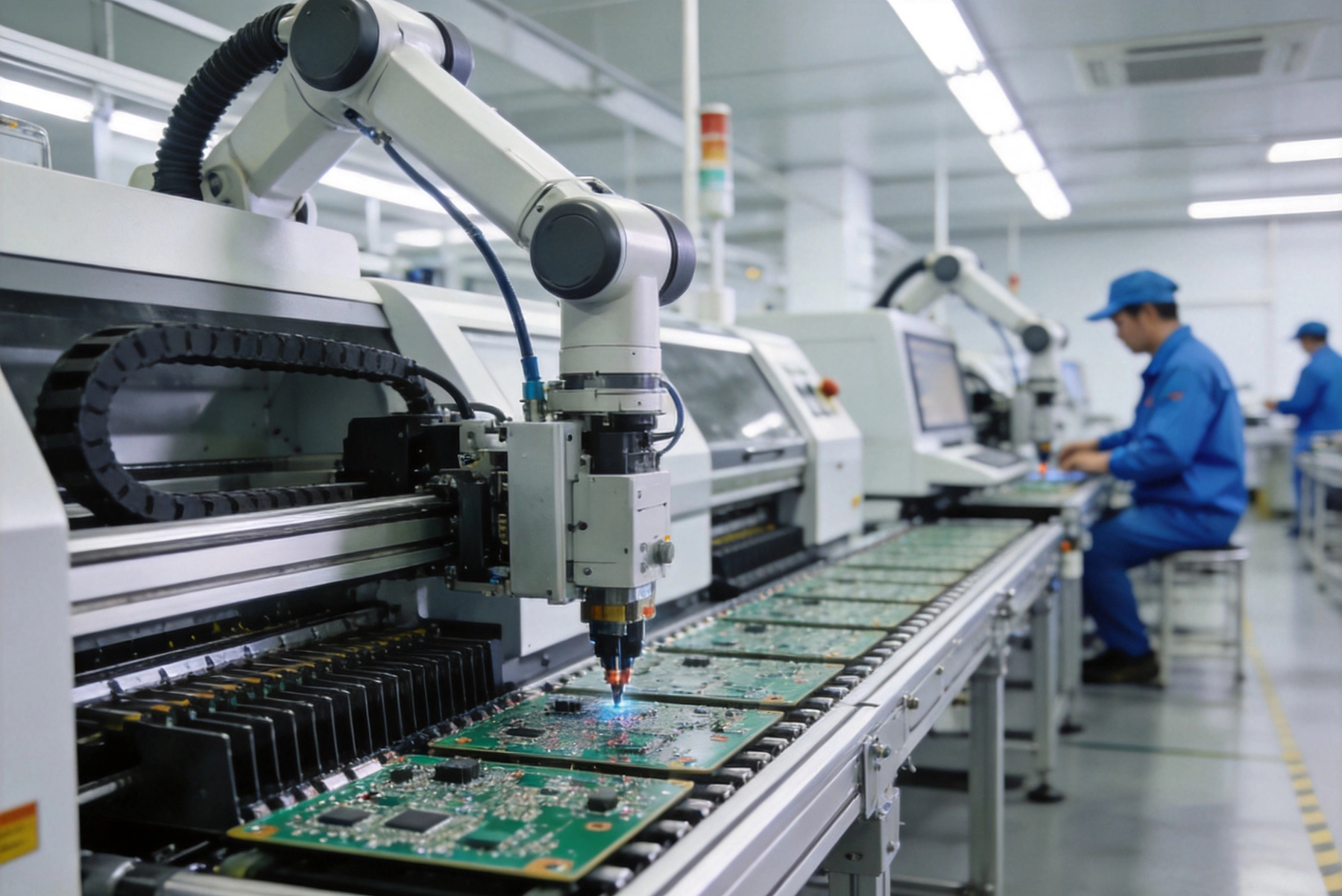
China's SMT assembly industry features some of the most advanced manufacturing capabilities in the world. DFM analysis helps you take full advantage of these capabilities:

  • Advanced component handling: China's facilities can handle the smallest components (01005, 0201) and finest pitch packages—DFM ensures your design is optimized for these capabilities
  • High-density assembly: Chinese assembly lines excel at high-density designs—DFM optimizes your layout for maximum density and yield
  • Advanced processes: From selective soldering to underfill processes, China offers advanced capabilities—DFM ensures your design leverages these appropriately
  • Automation integration: Highly automated assembly lines require design compatibility—DFM ensures your design works seamlessly with automated equipment

Navigating China's Component Supply Chain

China's component supply chain is extensive but complex. DFM analysis is essential for navigating this supply chain effectively:

  • Local sourcing: DFM analysis can identify components available locally in China, reducing lead times and logistics complexity
  • Substitution strategies: Analysis identifies China-friendly component alternatives that maintain design functionality
  • Supply chain risk assessment: Evaluates component availability risks in the Chinese market and develops mitigation strategies
  • Cost optimization: Identifies opportunities to use cost-effective Chinese alternatives without compromising quality

Optimizing for Chinese Assembly Processes

Chinese assembly facilities have developed optimized processes that DFM analysis can help you leverage:

  • Process-specific optimization: DFM analysis considers the specific processes used by your chosen Chinese assembly partner
  • Yield optimization: Analysis identifies design features that maximize yield in high-volume Chinese production
  • Cost reduction: DFM identifies design modifications that reduce assembly costs in the Chinese manufacturing environment
  • Quality enhancement: Analysis suggests design improvements that enhance final product quality and reliability

Implementing Effective DFM Analysis for China SMT Assembly

Getting the maximum benefit from DFM analysis requires implementing it effectively in your development process. Here's how to structure DFM analysis for optimal results when working with China's Smt Assembly Services.

Early Integration in the Design Process

DFM analysis should begin early in the design process, not as a final step before manufacturing:

  • Concept phase: Consider manufacturability during initial concept development and architecture decisions
  • Component selection: Apply DFM principles when selecting components to avoid later issues
  • Layout phase: Perform ongoing DFM reviews during Pcb Layout to catch issues early
  • Pre-production: Conduct comprehensive DFM analysis before releasing design for manufacturing

Collaboration with Chinese Assembly Partners

Effective DFM analysis requires close collaboration with your Chinese assembly partners:

  • Early partner involvement: Engage assembly partners early in the design process for their input
  • Process understanding: Learn about your partner's specific capabilities and processes
  • Regular communication: Maintain ongoing communication throughout the design and DFM process
  • Joint review sessions: Conduct joint design reviews with assembly engineers to identify and resolve issues

Use of Advanced DFM Tools

Leverage modern DFM analysis tools for comprehensive evaluation:

  • Automated DFM software: Use specialized DFM analysis software for thorough design evaluation
  • 3D visualization: Utilize 3D visualization tools to identify clearance and interference issues
  • Simulation tools: Employ thermal and mechanical simulation to predict potential issues
  • Statistical analysis: Use statistical tools to predict yield and identify potential failure modes

Documentation and Follow-Up

Effective DFM analysis requires thorough documentation and follow-up:

  • Comprehensive reports: Generate detailed DFM reports with identified issues and recommendations
  • Issue tracking: Track DFM issues through resolution and verification
  • Lessons learned: Document lessons learned from each project to improve future DFM processes
  • Continuous Improvement: Use DFM analysis results to continuously improve design practices

Common DFM Issues and Their Solutions

Understanding the most common DFM issues and their solutions can help you prevent problems before they occur. Here are the most frequent issues identified through DFM analysis and how to address them.

Insufficient Clearance Issues

Issue: Components placed too close together, causing assembly difficulties and inspection challenges.

Solution:

  • Follow manufacturer-recommended spacing guidelines
  • Consider assembly equipment requirements for clearance
  • Provide adequate space for rework and inspection
  • Use panel optimization techniques to maintain spacing while maximizing density

Pad Size and Shape Problems

Issue: Incorrect pad sizes or shapes leading to solder joint defects.

Solution:

  • Use manufacturer-recommended land patterns
  • Consider assembly process when determining pad sizes
  • Optimize pad shapes for component type and assembly method
  • Test and verify pad designs before full production

Thermal Management Issues

Issue: Inadequate Thermal Management causing assembly or reliability problems.

Solution:

  • Conduct thermal analysis during design
  • Provide adequate copper for heat dissipation
  • Use thermal vias for heat transfer
  • Consider component thermal sensitivity in placement decisions

Trace Routing Problems

Issue: Poor trace routing causing assembly or Signal Integrity issues.

Solution:

  • Follow industry-standard routing guidelines
  • Avoid routing under components where possible
  • Maintain adequate trace spacing and width
  • Consider assembly process when planning routing

Test Point Accessibility Issues

Issue: Inadequate test point access causing testing problems.

Solution:

  • Provide adequate test point coverage
  • Ensure test points are accessible to test equipment
  • Consider test point size and spacing for reliable contact
  • Plan for both in-circuit and functional testing requirements

Measuring the ROI of DFM Analysis

Investing in comprehensive DFM analysis delivers significant return on investment through reduced delays, improved quality, and lower costs. Understanding how to measure this ROI helps justify the investment and demonstrates its value to stakeholders.

Quantifiable Benefits

DFM analysis delivers measurable benefits that can be tracked and quantified:

  • Reduced design iterations: Fewer design spins reduce development time and cost
  • Improved yield: Higher first-pass yield reduces scrap and rework costs
  • Faster time to market: Reduced delays accelerate product launches
  • Lower assembly costs: Optimized designs reduce assembly time and complexity
  • Reduced field failures: Better manufacturability improves long-term reliability

ROI Calculation Example

Consider a typical mid-complexity SMT assembly project:

  • Without DFM analysis: 15% yield loss, 2-week delay, $50,000 rework cost
  • With DFM analysis: 3% yield loss, on-time delivery, $5,000 rework cost
  • DFM analysis cost: $10,000
  • Net savings: $35,000 + 2 weeks time to market advantage

Intangible Benefits

Beyond quantifiable savings, DFM analysis provides important intangible benefits:

  • Improved customer satisfaction: Reliable on-time delivery enhances customer relationships
  • Enhanced reputation: Consistent quality builds market reputation
  • Better team capabilities: DFM experience improves overall engineering capabilities
  • Reduced stress: Fewer emergencies and crises improve team morale

Best Practices for DFM Analysis with Chinese Partners

Maximizing the benefits of DFM analysis when working with Chinese SMT assembly partners requires following best practices that have proven successful across numerous projects.

Build Long-Term Partnerships

Develop long-term relationships with Chinese assembly partners:

  • Choose partners committed to quality and Continuous Improvement
  • Invest time in understanding their capabilities and processes
  • Share your quality expectations and requirements clearly
  • Work together on process improvements and optimization

Invest in Communication

Effective communication is essential for successful DFM collaboration:

  • Establish clear communication channels and protocols
  • Use visual aids and diagrams to overcome language barriers
  • Document all decisions and agreements thoroughly
  • Schedule regular review meetings and status updates

Embrace Cultural Differences

Understanding and respecting cultural differences improves collaboration:

  • Learn about Chinese business culture and practices
  • Be patient with different communication styles
  • Respect hierarchy and decision-making processes
  • Build personal relationships alongside business relationships

Leverage Technology

Use technology to bridge distance and time zone challenges:

  • Utilize collaborative design tools and platforms
  • Implement video conferencing for face-to-face interaction
  • Use project management tools for tracking and coordination
  • Leverage cloud-based document sharing and collaboration

Future Trends in DFM Analysis

DFM analysis continues to evolve with new technologies and methodologies that enhance its effectiveness and value.

AI-Powered DFM Analysis

Artificial intelligence is revolutionizing DFM analysis:

  • Automated issue detection: AI can identify subtle design issues that humans might miss
  • Predictive analysis: Machine learning can predict potential yield issues before production
  • Optimization recommendations: AI can suggest design improvements automatically
  • Continuous learning: Systems learn from each project to improve future analysis

Real-Time Collaboration

Enhanced collaboration tools enable real-time Dfm Review:

  • Cloud-based platforms: Shared design environments for simultaneous review
  • Virtual reality: Immersive 3D design review and collaboration
  • Live annotation: Real-time marking and discussion of design issues
  • Version control: Seamless management of design iterations and changes

Integrated Design and Manufacturing

Greater integration between design and manufacturing systems:

  • Design-to-manufacturing connectivity: Direct links between CAD and manufacturing systems
  • Automated data transfer: Seamless transfer of design data to assembly equipment
  • Real-time feedback: Manufacturing data feeding back into design processes
  • Digital twins: Virtual replicas of manufacturing processes for design validation

Conclusion

DFM analysis is not an optional luxury—it's an essential investment in project success, particularly when leveraging China's world-class SMT assembly capabilities. The cost of skipping DFM analysis far exceeds the investment in comprehensive analysis, both in terms of direct financial impact and the opportunity costs of delayed product launches and damaged market reputation.

By implementing thorough DFM analysis early in the design process, collaborating closely with Chinese assembly partners, and following best practices for cross-cultural collaboration, companies can dramatically reduce the risk of costly assembly delays while improving quality, reducing costs, and accelerating time to market.

As electronics continue to become more complex and miniaturized, the importance of DFM analysis will only grow. Companies that embrace DFM as a core competency will gain significant competitive advantages in their ability to bring reliable, cost-effective products to market faster than their competitors.

The investment in DFM analysis pays dividends throughout the product lifecycle—from reduced development costs and improved yields to enhanced reliability and customer satisfaction. Make DFM analysis an integral part of your electronics development process, and you'll see the benefits in every project you undertake.

Frequently Asked Questions

Q: When should DFM analysis be performed in the development process?
A> DFM analysis should begin as early as possible in the design process, ideally during component selection and continue through layout and final design review. Early DFM catches issues when they're cheapest to fix, while final DFM ensures manufacturability before production.

Q: How long does comprehensive DFM analysis typically take?
A> The time required varies with design complexity, but typically ranges from 2-5 days for comprehensive analysis of a complex design. Simple designs may be analyzed in 1-2 days, while very complex designs may require a week or more.

Q: Should DFM analysis be done in-house or by the assembly manufacturer?
A> Both approaches have value. In-house DFM gives you control and early input, while manufacturer-performed DFM provides process-specific insights. The best approach is often a combination, with initial in-house analysis followed by review and refinement by the assembly partner.

Q: How much does professional DFM analysis typically cost?
A> Costs vary based on design complexity and analysis depth, but typically range from $1,000-$5,000 for comprehensive analysis. This investment is typically recovered many times over through reduced delays, improved yield, and lower assembly costs.

Q: Can DFM analysis eliminate all assembly delays?
A> While DFM analysis can prevent most design-related delays, it cannot eliminate all delays. External factors like component supply chain issues, equipment problems, or quality issues can still cause delays. However, DFM analysis dramatically reduces the overall risk and severity of delays.

Send Message
Name*
E-mail*
Country*
Phone/WhatsApp*
Name*
E-mail*
Country*
Phone/WhatsApp*